

Justice Minister Yariv Levin is still searching for a “special investigator” to oversee the probe into the Sde Teiman leak, even as police say their investigation is moving toward completion. Senior officers told lawmakers they expect to hand over case materials within weeks, possibly as early as next month, ahead of a potential indictment. What remains unclear is to whom those findings will ultimately be submitted.
Police officials said they expect to reach conclusions before the Justice Ministry’s parallel appointment process ends. “We believe there will be an answer by the time we finish the investigation,” one police source said.
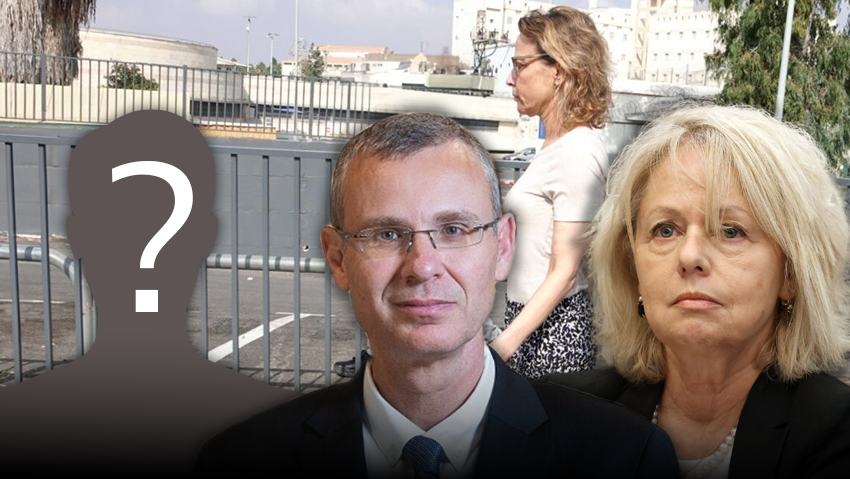
Investigators are working under tight restrictions to avoid political interference, given the sensitivity of the case and its implications for both the military and the government. The inquiry is focused on two main issues: the conduct of senior officers in the military advocate general’s office and allegations that former military advocate general Yifat Tomer-Yerushalmi impeded legal proceedings by allegedly providing false information to the attorney general’s office and the High Court of Justice.
Police say they are aware of the pressure created by the timeline but are proceeding “without obstacles.” Investigators, led by Police Investigations and Intelligence Division Deputy Commissioner Boaz Blat, questioned Tomer-Yerushalmi this week for the first time since her long hospitalization. Officers emphasized they are working to keep political disputes at a distance, as the case has become another battleground in the government’s tensions with Attorney General Gali Baharav-Miara.
For now, the investigation continues without an external overseer. Law enforcement officials say they do not currently require outside involvement, and the inquiry is advancing “at a satisfactory pace,” with guidance from Asaf Shavit, head of the State Prosecutor’s Office cyber unit.
“Our role is to investigate thoroughly and professionally to uncover the full chain of responsibility within the military prosecution system,” police officials said. They added that the probe has found no indication of wrongdoing by the attorney general, despite public claims to the contrary.
Tomer-Yerushalmi remains under house arrest.
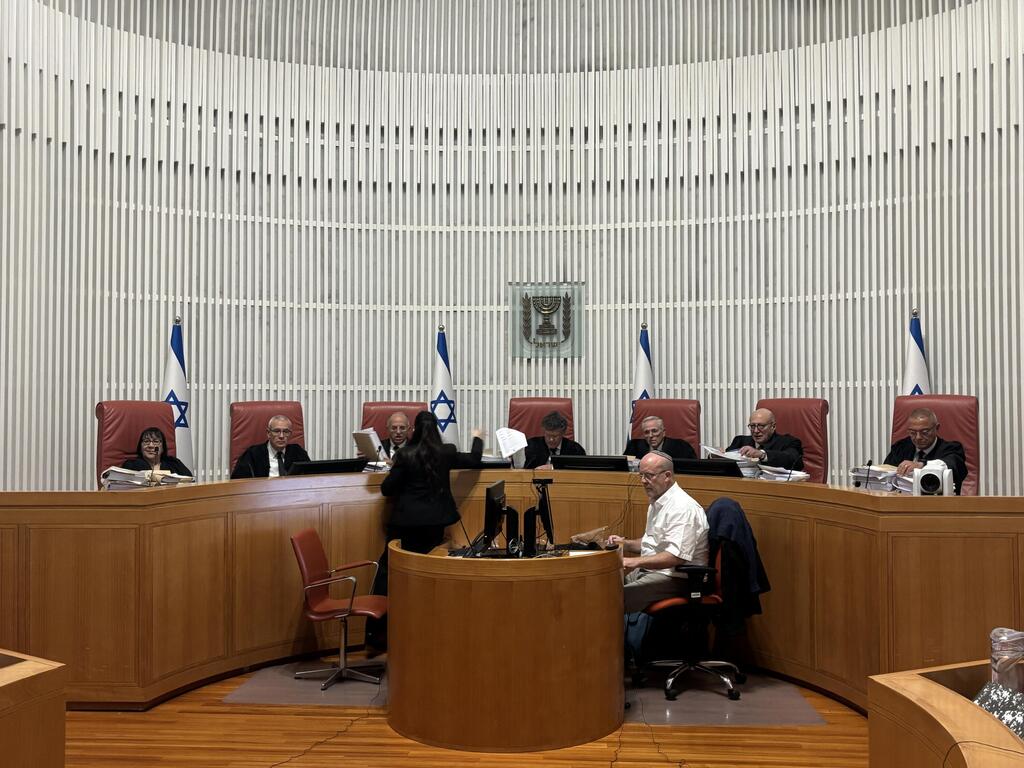
High Court of Justice
(Photo: Gil Yochanan)
Meanwhile, Levin is struggling to find a qualified candidate after the High Court rejected previous nominees, including retired judge Yosef Ben-Hamo. Several senior jurists and civil servants have declined the role, citing concerns about media intrusion and potential backlash from the legal establishment.
The court ruled last month that Levin may appoint a replacement but set strict criteria: the nominee must be a senior state employee, an experienced jurist and someone actively engaged in overseeing criminal investigations and prosecutions. The court also barred Levin from selecting anyone with political ties.
Supreme Court Justice Yael Willner, writing the decision that granted Levin limited authority to choose an overseer, said the “exceptional circumstances” — including the case’s connection to the military advocate general’s office — justified a narrowly defined departure from the long-standing rule that political figures should not intervene in criminal probes.
Willner stressed that the temporary restriction on the attorney general applies only to the oversight stage. If police ultimately determine that neither the attorney general nor the prosecution was involved in the Sde Teiman leak — as the investigation currently suggests — the attorney general or a designated prosecution official would be able to take over once the police phase concludes.