


Brig. Gen. (res.) Daniel Hagari has returned to active duty in the Israel Defense Forces as a reservist, three months after stepping down as the military's chief spokesperson, amid renewed hostilities with Iran.
At the request of his successor, Brig. Gen. Effie Defrin, Hagari was called up to the IDF Spokesperson’s Unit and has been serving as the unit’s acting director since the war with Iran began over the weekend. He is expected to remain in the role for the duration of the conflict.
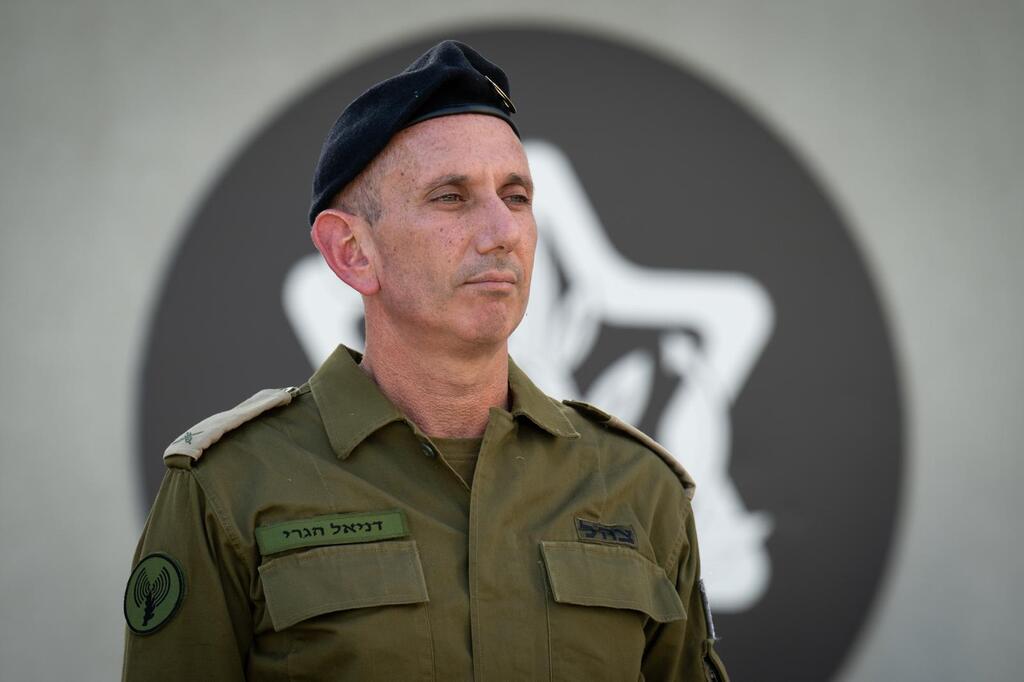
Defrin continues to serve as the public face of the unit—delivering statements and representing it within the General Staff—while Hagari oversees internal operations from the media operations center, known by its Hebrew acronym Hamad.
As acting director, Hagari coordinates the unit’s activities, leads assessments and issues guidance based on regularly updated messaging directives.
This is not Hagari’s first call to bolster the unit in wartime. During the October 7 Hamas-led assault on southern Israel—triggering the war known domestically as Swords of Iron—Hagari, then still in active service, brought in his own predecessor, Brig. Gen. (res.) Ronen Manelis, to support the military’s communications strategy.
Hagari emerged as a trusted voice during that conflict, frequently appearing on camera and offering a calm presence for Israelis amid national turmoil.
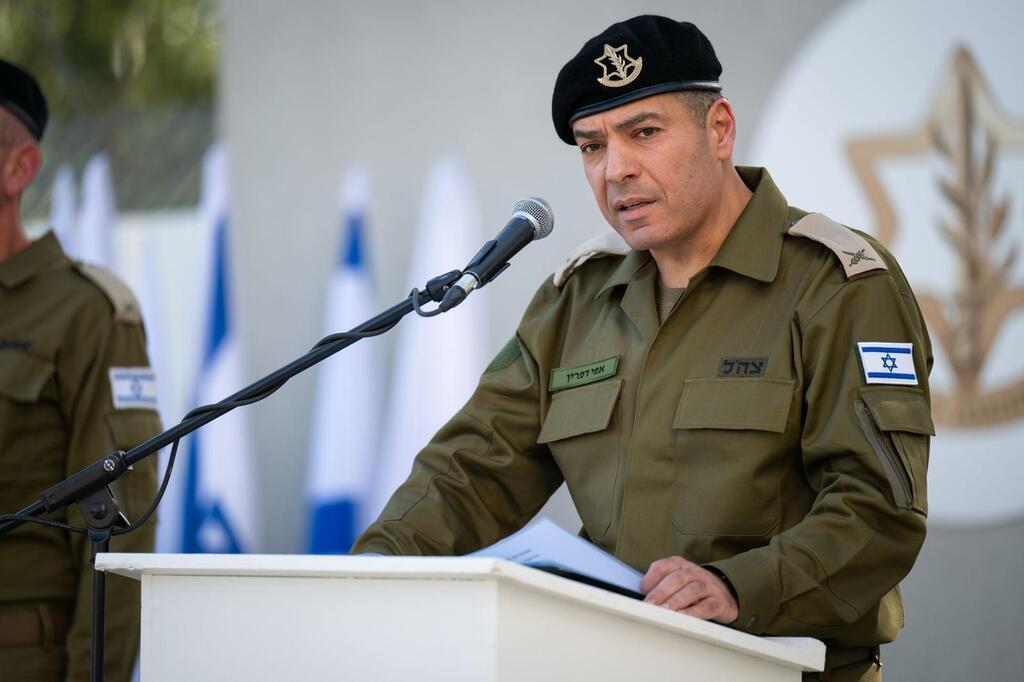
Brig. Gen. Effie Defrin
(Photo: IDF Spokesperson's Unit)
Appointed IDF spokesperson in March 2023 after a distinguished career that included commanding Shayetet 13, the navy’s elite commando unit, Hagari was praised for his poise during political controversies and his broad public appeal. Many viewed him as a stabilizing figure at a time of deep crisis.
Despite his prominence, Hagari’s military career was cut short earlier this year when newly appointed Chief of Staff Lt. Gen. Eyal Zamir chose not to promote him to major general. The IDF described the move as a mutual decision. Zamir publicly thanked Hagari for years of “meaningful combat service.”
Get the Ynetnews app on your smartphone: Google Play: https://bit.ly/4eJ37pE | Apple App Store: https://bit.ly/3ZL7iNv
The decision surprised many inside the military. Hagari had been considered a strong candidate for future senior roles, including commander of the Israeli Navy. Former Chief of Staff Lt. Gen. Herzi Halevi had recommended his promotion based on his performance during the war and his distance from the intelligence failures surrounding October 7.
Zamir’s decision to dismiss Hagari—before removing any commanders directly tied to those failures—prompted questions in military and political circles. Some political figures signaled discomfort with Hagari remaining in the spokesperson’s role, reportedly pressuring for a change. While it is common for a new chief of staff to appoint a new spokesperson, the rapid turnover was unusual.
Two days after Hagari’s departure, Defrin was named as his replacement.