

President Donald Trump ordered the U.S. military to prepare for an attack in Yemen on Sunday at 5 p.m. local time. But three hours earlier — shortly after 2 p.m. — a new directive arrived: He had changed his mind, and the order was canceled.
NBC News reported overnight Monday into Tuesday on the dispute that preceded the cancellation and the dilemma facing the top ranks of the U.S. military over whether to intervene in the conflict between Saudi Arabia, a key American ally in the Middle East, and Yemen’s Houthi rebels.
Smoke rises near the airport in the Saudi capital Riyadh, following a Houthi attack on Saturday
(Video: Reuters)


According to two U.S. officials, senior military leaders were divided over whether Trump should intervene in the fighting, which has continued for several weeks amid Houthi advances and repeated attacks on Saudi Arabia, as well as on U.S. targets in the region.
The Saudis have appealed to Trump several times to act against the Houthis — a request that became more urgent in recent days after the rebels claimed to have shot down a Saudi F-15 fighter jet and advanced rapidly toward Marib province, home to Yemen’s largest oil and gas fields.
According to the officials who spoke with NBC, some senior military figures have argued — both in Pentagon discussions and in conversations with Trump administration officials — that opening another military front in the region would be a “bad idea,” citing concerns that U.S. munitions stockpiles could be depleted.
Gallery
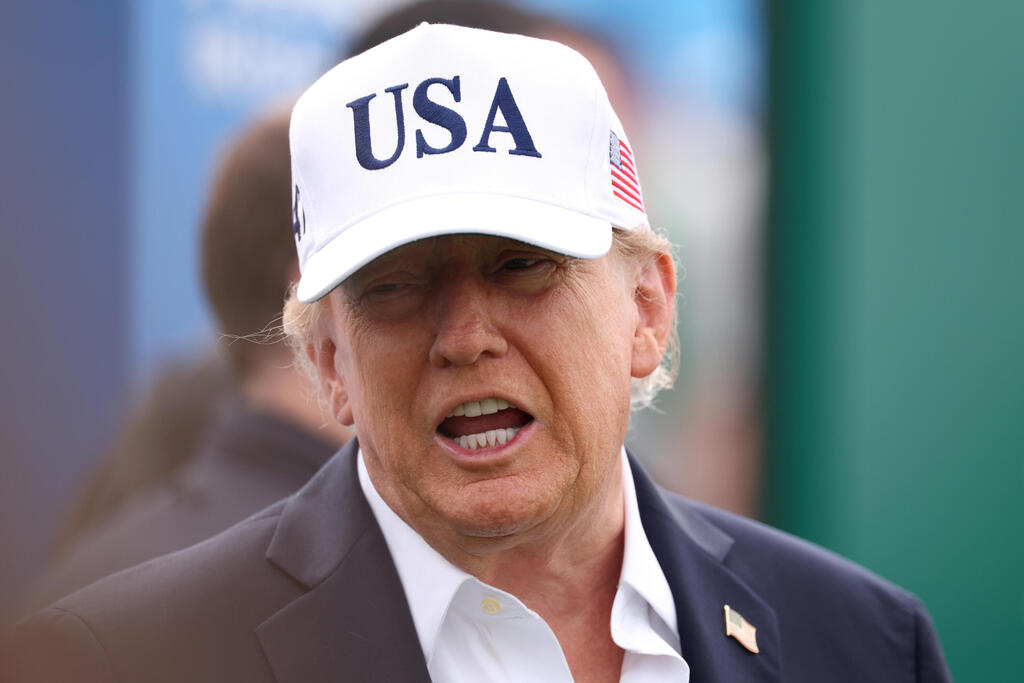
US President Donald Trump canceled a planned attack on Yemen's Houthis three ours before it was set to begin
(Photo: Richard Heathcote/Getty Images)
Those officials also argue that the Houthis, at least for now, are not attacking American ships.
Other military officials, however, support some form of offensive action against the Houthis, arguing that Washington should assist Riyadh, particularly after the downing of the F-15, which poses a challenge to Saudi air superiority over Yemen.
Those officials said senior figures who support that approach have privately voiced concern that a failure by the United States to take more decisive action against the Houthis would amount to nothing less than a betrayal of an important regional ally.
Trump had not planned to attack the Houthis or intervene, at least not until last Thursday. According to officials, Saudi Crown Prince Mohammed bin Salman spoke with him again that day and urged the president in phone calls to intervene, saying that “the kingdom cannot succeed on its own.”
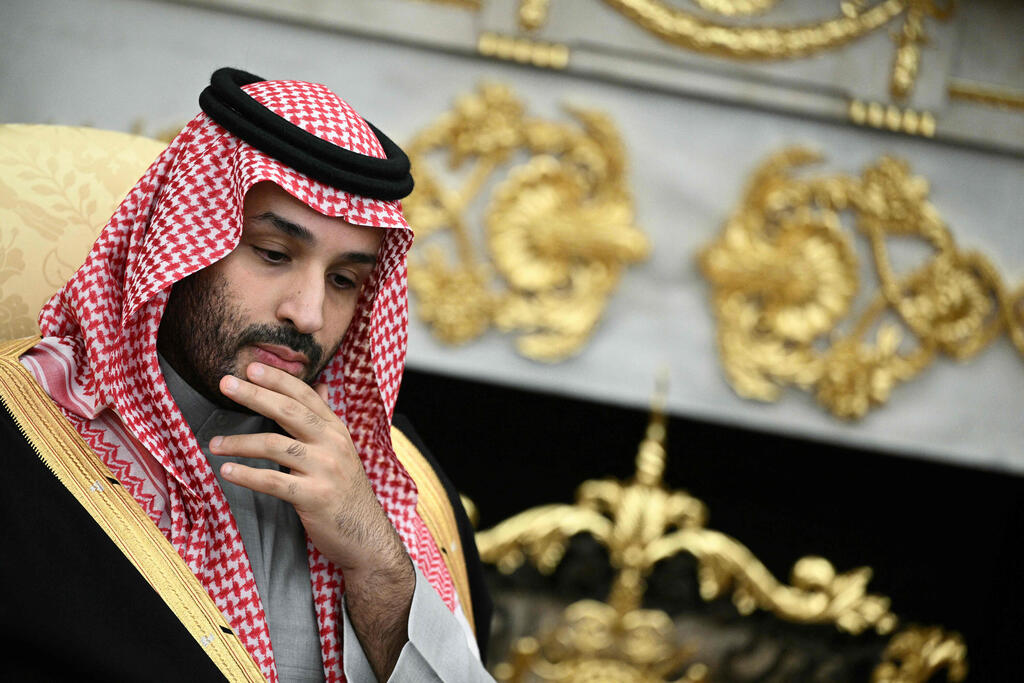
Saudi Crown Prince Mohammed bin Salman: The ingdom cannot succeed on its own'
(Photo: Brendan Smialowski / AFP)
According to one official, after that conversation Trump ordered the military to present him with new options for strikes against the Houthis.
Chairman of the Joint Chiefs of Staff Gen. Dan Caine convened an emergency meeting in “The Tank” — the Pentagon’s most secure conference room — to discuss military options.
To do so, he canceled a trip to Copenhagen, where he had been scheduled to meet with NATO chiefs of defense who are simultaneously concerned about Russian escalation and possible Kremlin provocations on alliance territory.
‘Things Hezbollah took 20 years to develop, the Houthis developed in 5’
The New York Times reported Monday that Trump had already made the decision to intervene, and munitions had been loaded onto fighter jets that were ready for takeoff. But he then reversed course again and announced a change in plans.
The decision to cancel the strike — or at least delay it — stemmed in part from concern in Washington that opening another front could further complicate the parallel campaign against Iran, which has also stalled for now.
One senior U.S. military official in the region explicitly warned that action against the Houthis could pose serious risks to U.S. forces in the Middle East and to the mission connected to Iran, which includes imposing a U.S. naval blockade and conducting security operations in the Strait of Hormuz.
However, officials said the same senior figure also made clear that U.S. forces are capable of carrying out both the Iran mission and strikes against the Houthis while reducing some of the risks involved.
Trump is expected to address the annual United Nations General Assembly gathering Tuesday. Just two days ago, responding to a question from Fox News correspondent Trey Yingst, he said he was “open to the possibility” of meeting Iranian President Masoud Pezeshkian on the sidelines of the gathering in New York this week.
He immediately added: “I’m in the process of making decisions. Very big things are going to happen. Iran had better behave.”
The internal rift within the U.S. military underscores the difficult position in which the president repeatedly finds himself, as the United States remains locked in a war with Iran — a war Trump himself initiated but has struggled to end — while also facing shortages of critical weapons and munitions.
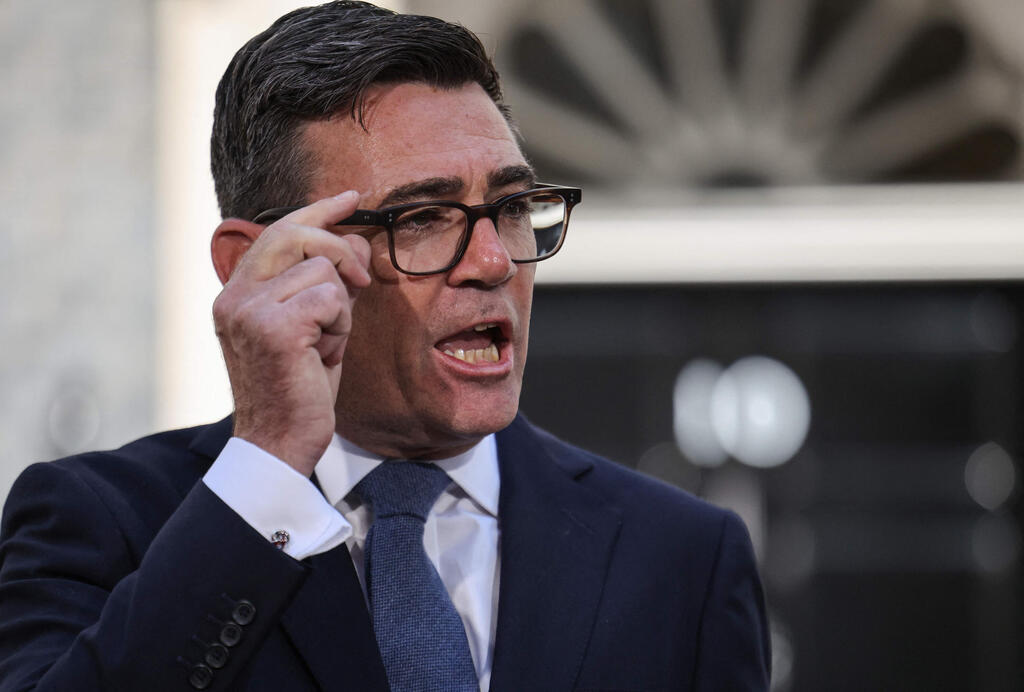
British Prime Minister Andy Burnham: Britain increases aid to the Saudis
(Photo: Henry Nicholls/ AFP)
Britain, however, may be able to help the Saudis, at least in part.
Prime Minister Andy Burnham said Monday night that he had agreed to a request from Riyadh to provide aerial refueling services for defensive purposes for a limited period. He described the move as one that “helps stabilize the wider region.”
“We received a request for military support from Saudi Arabia, and following the recommendation of the defense secretary and the foreign secretary, I agreed to the request to provide aerial refueling for defensive purposes,” he told reporters while traveling to New York to attend the UN General Assembly.
Britain and Saudi Arabia have been close military allies for decades, and Britain is among the kingdom’s largest arms suppliers.
Earlier this year, Britain deployed its Sky Sabre air defense system to Saudi Arabia to help defend the kingdom against Iranian missile attacks during the U.S.-Israeli war against the regime in Tehran.