

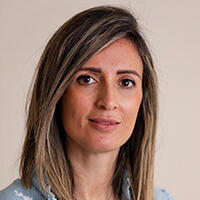
The past year has been the most difficult of Huda Daxa’s life. On October 20, 2024, her world was shattered in a single moment. Her husband, Col. Ehsan Daxa, commander of the IDF’s 401st Armored Brigade, was killed in a military operation in the Jabaliya area of the Gaza Strip after a powerful explosive device detonated at a position he was holding. He died shielding his fellow soldiers with his body, saving their lives.
Since that day, Huda says, time has felt frozen. Life at home—without the father, husband and officer—has been turned upside down. Her three children, 5-year-old Yasmine, 10-year-old Riff and 15-year-old Omri, now live with a constant sense of absence, unanswered questions and deep longing. Huda, left to raise them alone, describes a journey of pain and resilience, one where strength emerges from heartbreak, and the love for Ehsan continues to guide her.
Gallery

Ehsan and Huda Daxa and their children Omri, Riff and Yasmine
(Photo: Courtesy of the family)
“My life is now divided into two parts—before Ehsan was killed, and after,” she says. “You can’t remain the same person. It’s not a symmetrical process, not linear. There are days I wake up strong, and others when I collapse. But I’ve learned to accept that as part of the process. The kids give me strength. They need me, and I need them. We’re holding each other up.”
Alongside the daily grief, Huda vividly recalls the life they built together. “Ehsan was away from home a lot,” she says. “I was raising the kids mostly on my own, but he was my anchor. Even if he came home just once a week, it gave me strength. That’s gone now. Our weekends, which used to be full of warmth, laughter and energy, now feel like just another day—colorless and flat.”
At home, Ehsan was far more than a senior officer. He was a devoted father, a humble and down-to-earth man who rarely spoke about the details of his military service. Only after his death did the family begin to hear the many stories of his heroism, some they never knew.
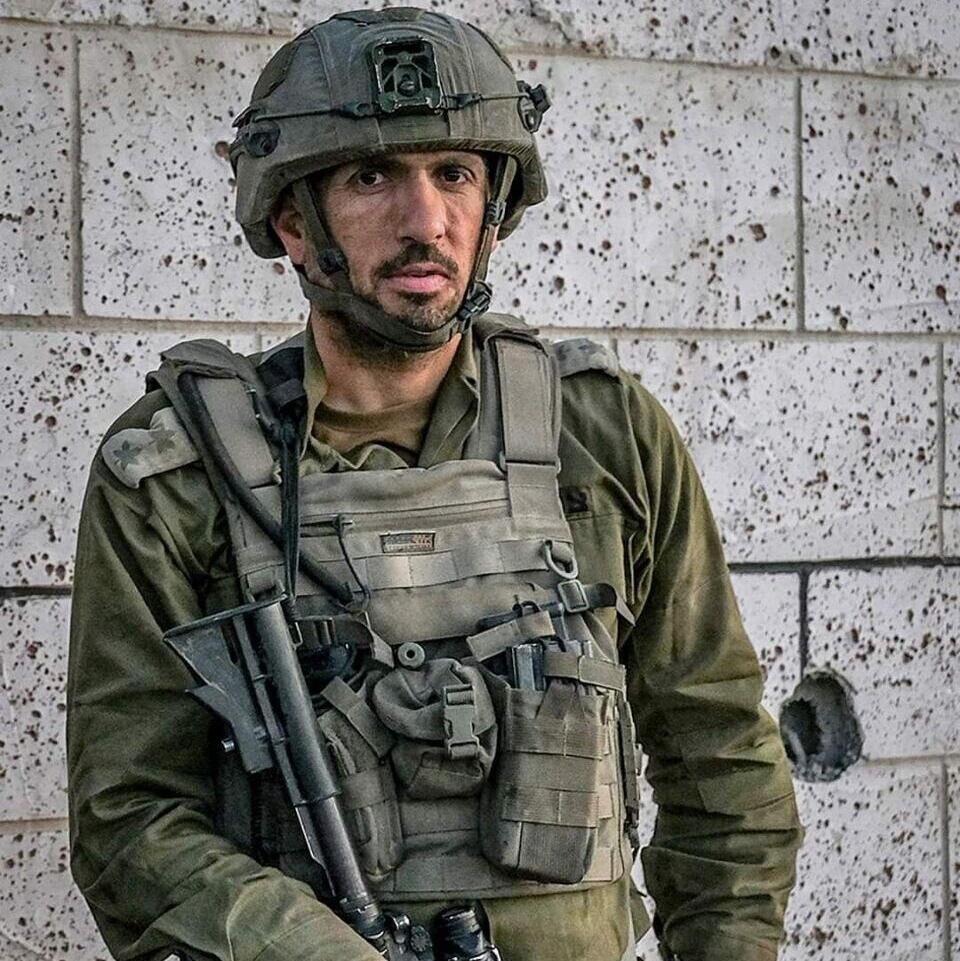
Col. Ehsan Daxa
(Photo: Rabia Basha)
Daxa’s military career began early. During the 2006 Second Lebanon War, he served as a company commander in the 75th Battalion of the 7th Armored Brigade and was commended for his actions under fire.
In a battle in Aita al-Shaab, after a paratrooper unit came under enemy fire, he entered the village alone in his tank, neutralized the source of fire and evacuated the wounded. For his bravery, he was awarded a Commander's Citation by the head of Northern Command.
In the years that followed, he held several senior roles, including Operations Officer of Northern Command, commander of the Golan Formation and ultimately, commander of the 401st Brigade.
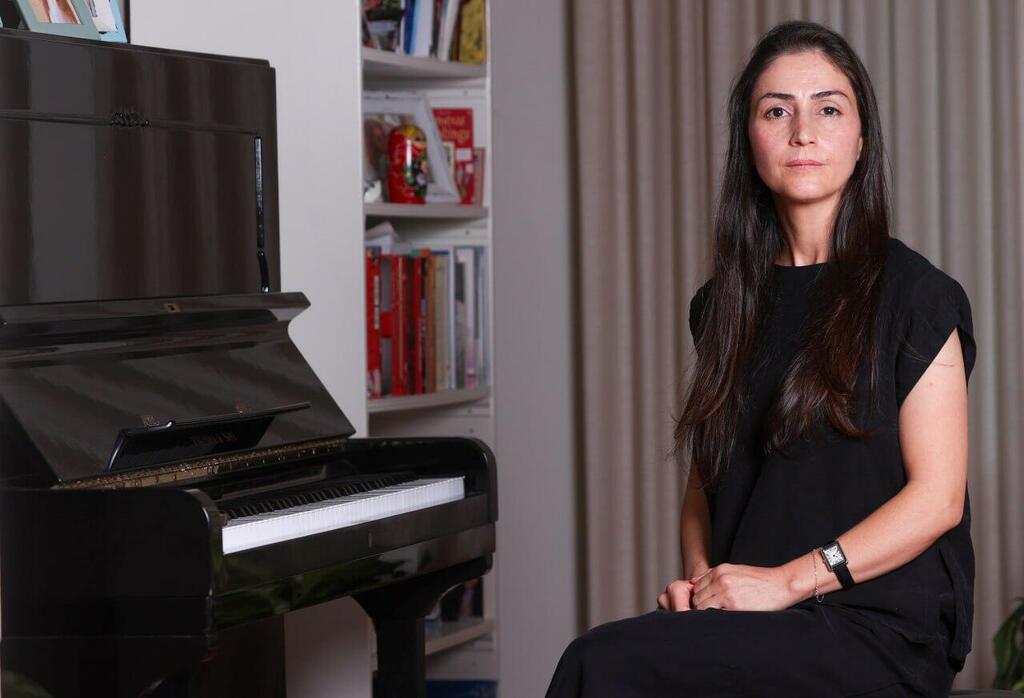
Huda Daxa
(Photo: Gil Nechushtan)
This past year brought an additional layer of pain. The massacre in Sweida, Syria, where members of the Druze community were killed in sectarian violence, struck a deep emotional chord with Huda.
“A double pain,” she says. “After October 7, we experienced national trauma here, and suddenly I realized our people were facing something similar, on a massive scale. Only after losing Ehsan did I truly understand the depth of others’ pain. I felt their grief deeply, as a mother, a partner, a sister. It touched me.”
Rather than break under the weight of her grief, Huda chose action. She joined a campaign to raise donations and medical supplies for victims and bereaved families in Sweida. “After what we went through, I couldn’t stay indifferent. I realized that if I have a voice, I need to use it. I want to carry on Ehsan’s legacy this way, too—to stand by our people, to care for them, to fight for them.”
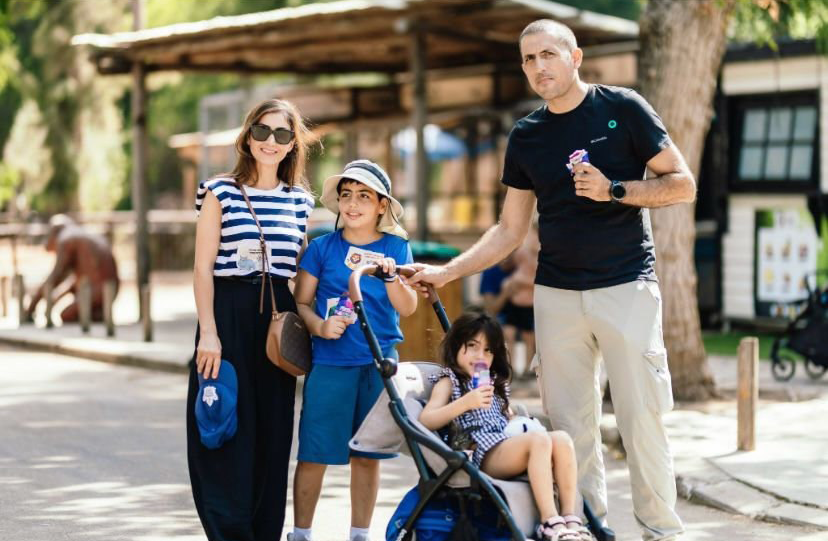
Col. Daxa and his family
(Photo: Courtesy of the family)
Despite her loss, Huda insists on keeping Ehsan’s memory alive. “It’s not just about what was, it’s also about what remains with us,” she says. “Ehsan is still part of us, in his spirit, his values, his way. I see him in the children, in our conversations, in the decisions I make. He’s with us all the time.”
She says she discovered strengths within herself she didn’t know existed. “Something in me was reborn after Ehsan was killed,” she says. “It’s a painful process, but one that teaches you how much strength you actually have. That’s what I try to teach the kids too—that even from the greatest heartbreak, new life can emerge.”
Now, a year after his death, Huda and her children are learning to live alongside the memory. They know the void will never be filled, but they choose to move forward—not to forget, but to transform the pain into purpose. “The kids are my greatest teachers,” Huda says. “They have an incredible ability to disconnect from the pain and live in the moment. From them, I learn that even in darkness, there is light.”
Col. Ehsan Daxa is remembered not only as a decorated officer, but as a figure of inspiration—a humble, principled man who put others before himself and paid the ultimate price for his loyalty to his comrades and his country. “I knew him up close,” Huda says. “He was a role model—not because of his rank or his position, but because of the kind of person he was.”