

Three weeks have passed since the strike in Qatar, Prime Minister Benjamin Netanyahu’s public statements and U.S. President Donald Trump’s decision to provide Qatar with near-unprecedented security guarantees. In between, there was also a nearly unprecedented apology call between Netanyahu and Qatari Prime Minister Mohammed Al-Thani. So how did it all unfold?
“The days are over when terrorist leaders enjoy immunity anywhere. I will not allow such immunity for the murderers of our people. Our enemies should know one thing: since the founding of the State of Israel, Jewish blood is not forfeit,” Netanyahu said hours after the Qatar strike, even before it became clear that the operation had failed, causing no fatalities among senior Hamas targets.
Gallery
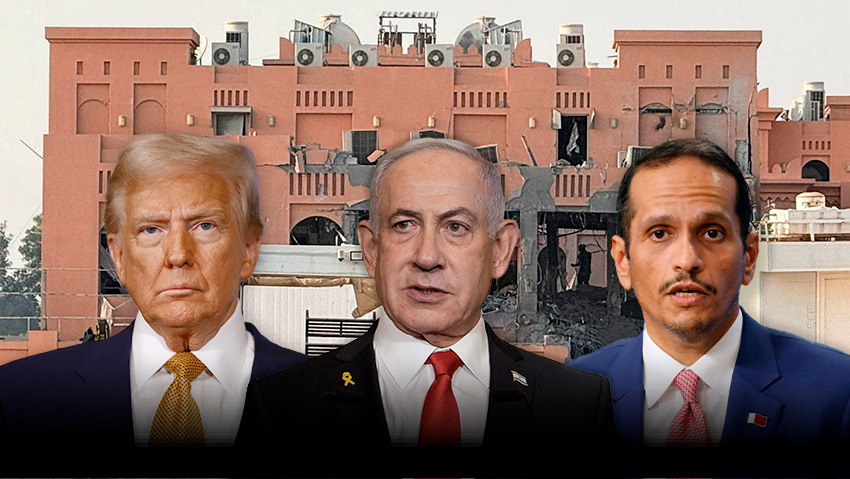
Mohammed Al-Thani, Benjamin Netanyahu, Donald Trump
(Photo: REUTERS/Ibraheem Abu Mustafa, Ludovic MARIN / AFP, Oliver CONTRERAS AF, Sarah Meyssonnier/Pool via AP)
Since then, Netanyahu reportedly apologized to Al-Thani for the death of a Qatari security officer and the violation of Qatar’s sovereignty. “I want to assure you Hamas was the target, not the Qataris. I also want to assure you Israel has no plans to violate your sovereignty again, and I committed this to President Trump,” Netanyahu said in the Oval Office during their meeting, with Trump present.
Al-Thani later called Netanyahu’s apology “the most basic thing” and said the key point was the pledge not to attack Qatar again. “After safeguarding our country, our main concern is how to contribute to ending the war,” he said.
Trump and Netanyahu on the phone call with the Prime Minister of Qatar
(Video: Reuters)


Following the meeting, Trump signed a presidential order stating that the United States would view any armed attack on Qatar’s territory, sovereignty or infrastructure as a threat to U.S. security. In such cases, the U.S. would act “by all appropriate and lawful means — diplomatic, economic, and if necessary, military — to protect U.S. interests and restore peace and stability.”
The order, along with Netanyahu’s assurances, effectively provides unusually high protection for any terrorist operatives present in Qatar.
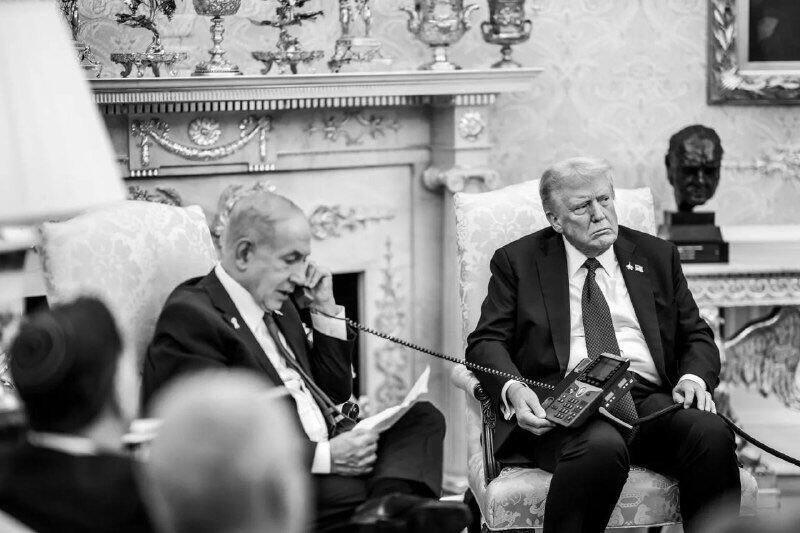
The recording of Netanyahu's call with the Prime Minister of Qatar
(Photo: The White House)
The apology and guarantees drew criticism across Israel. Finance Minister Bezalel Smotrich called it a “flaccid apology, a disgrace,” comparing it to the 1938 Munich Agreement. Yisrael Beiteinu head Avigdor Liberman criticized Netanyahu for apologizing to Qatar, which he said has yet to condemn the October 7 Hamas massacre, while never apologizing to Israelis for the deaths, kidnappings and rapes under Netanyahu’s watch. Democratic Party leader Yair Golan called the apology “humiliating.”
Opposition leader Yair Lapid said the U.S.-Qatar security deal marks “an unprecedented diplomatic failure for Netanyahu’s government,” arguing that Israel lost its unique position with Washington while Qatar gained political gains unimaginable two years ago. Former Prime Minister Naftali Bennett called the deal “unbelievable” and criticized the government for enabling Qatar, which he said still supports Hamas, to receive a defense pact from the world’s leading power. He warned of long-term damage to Israel’s strategic position in the Middle East.
First published: 13:23, 10.03.25