

In June 2026, Hertzel Rahamim of Petah Tikva will turn 70. Over the past year, he has volunteered intermittently in both northern and southern Israel, transporting tanks and other armored heavy equipment such as bulldozers and excavators, always with a smile.
Although he fulfilled his reserve duty obligations years ago, the events of October 7 stirred him to action. Recognizing the gravity of the moment, Rahamim applied to volunteer as a heavy transport driver, the same field in which he works in civilian life. After obtaining the necessary approvals, his request was granted.
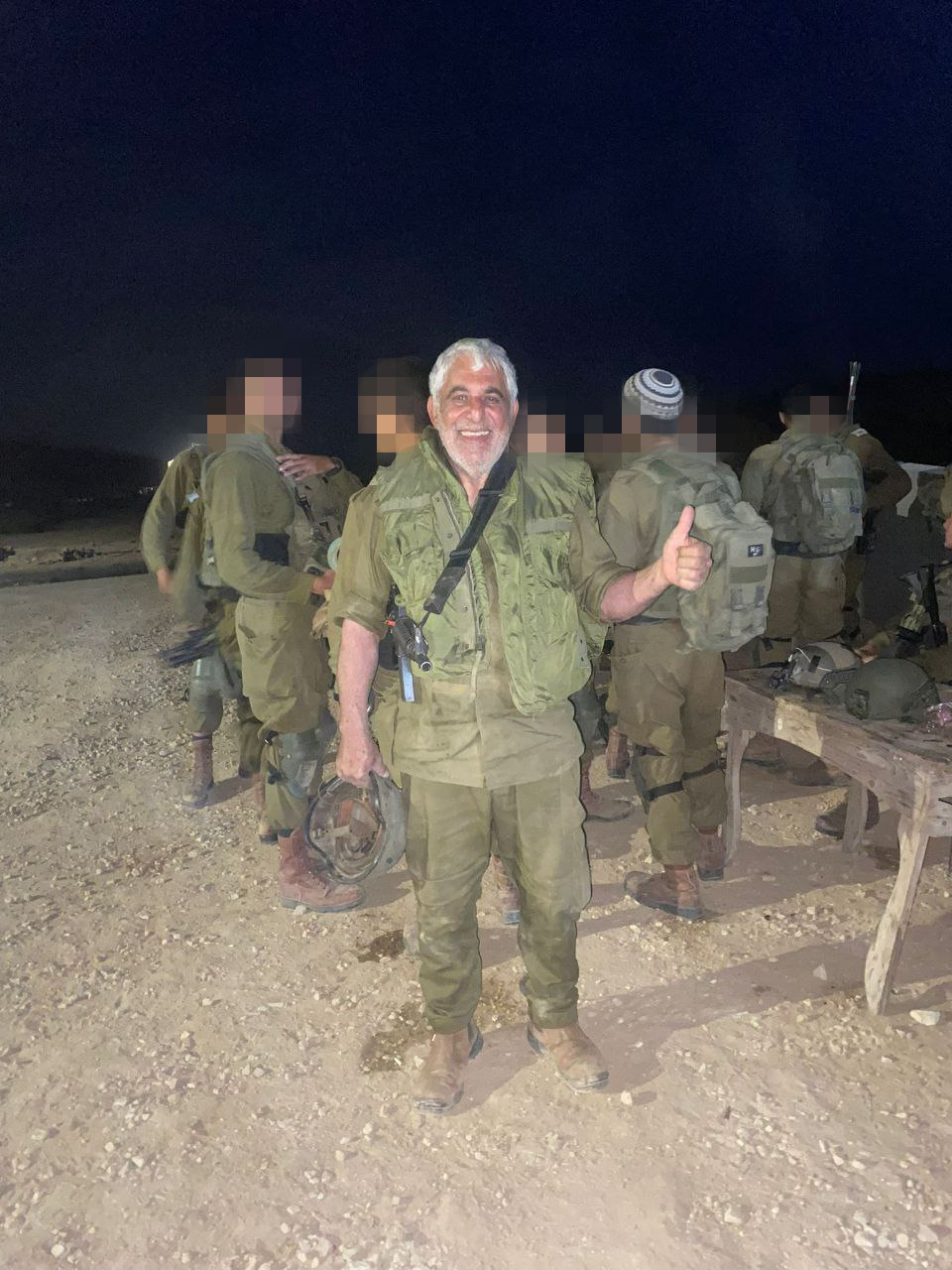
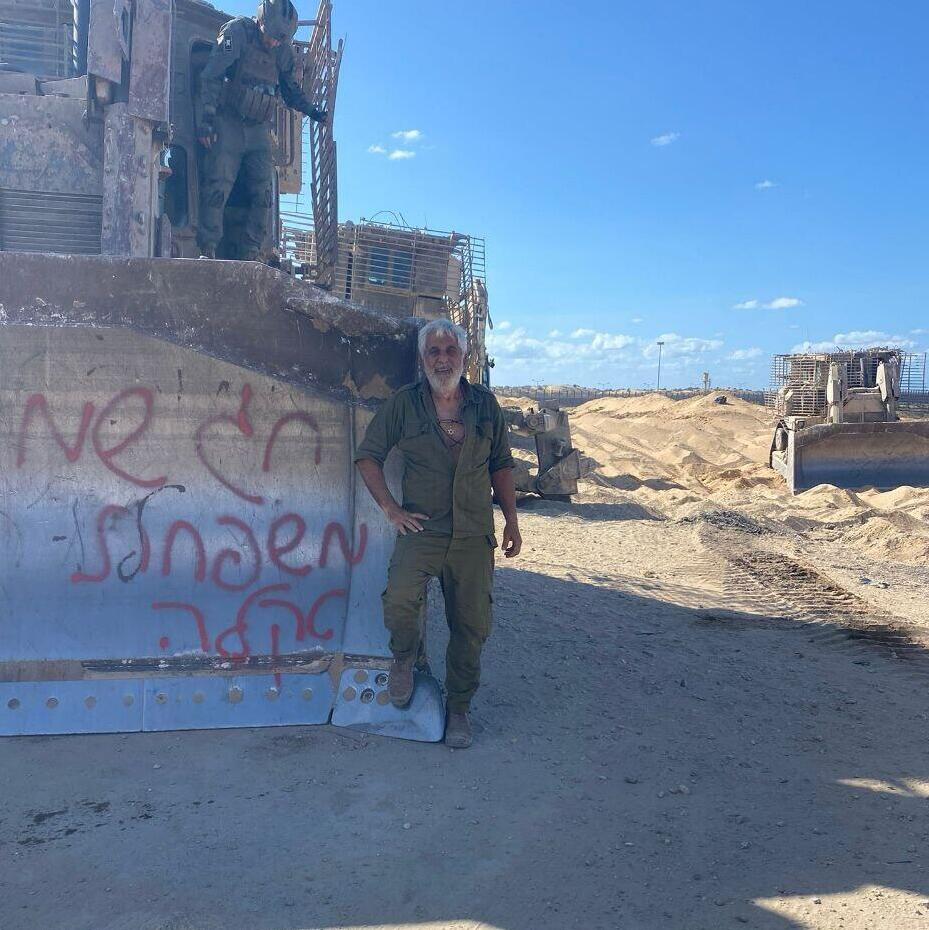
Hertzel Rahamim beside one of the heavy vehicles he transported in Gaza
(Photo: Courtesy of Hertzel Rahamim)
Ten months passed before he received his call-up order and returned to uniform. He first reported to Mishmar HaNegev, from where he and his fellow reservists were dispatched to both the southern and northern fronts.
“I’ve been through nearly every war, but Operation Iron Swords was one of the toughest I’ve experienced,” Rahamim said. “Still, I felt a strong sense of duty to serve my country, so I stepped up with full commitment and a willing heart. Yes, there were moments of fear, but they passed quickly."
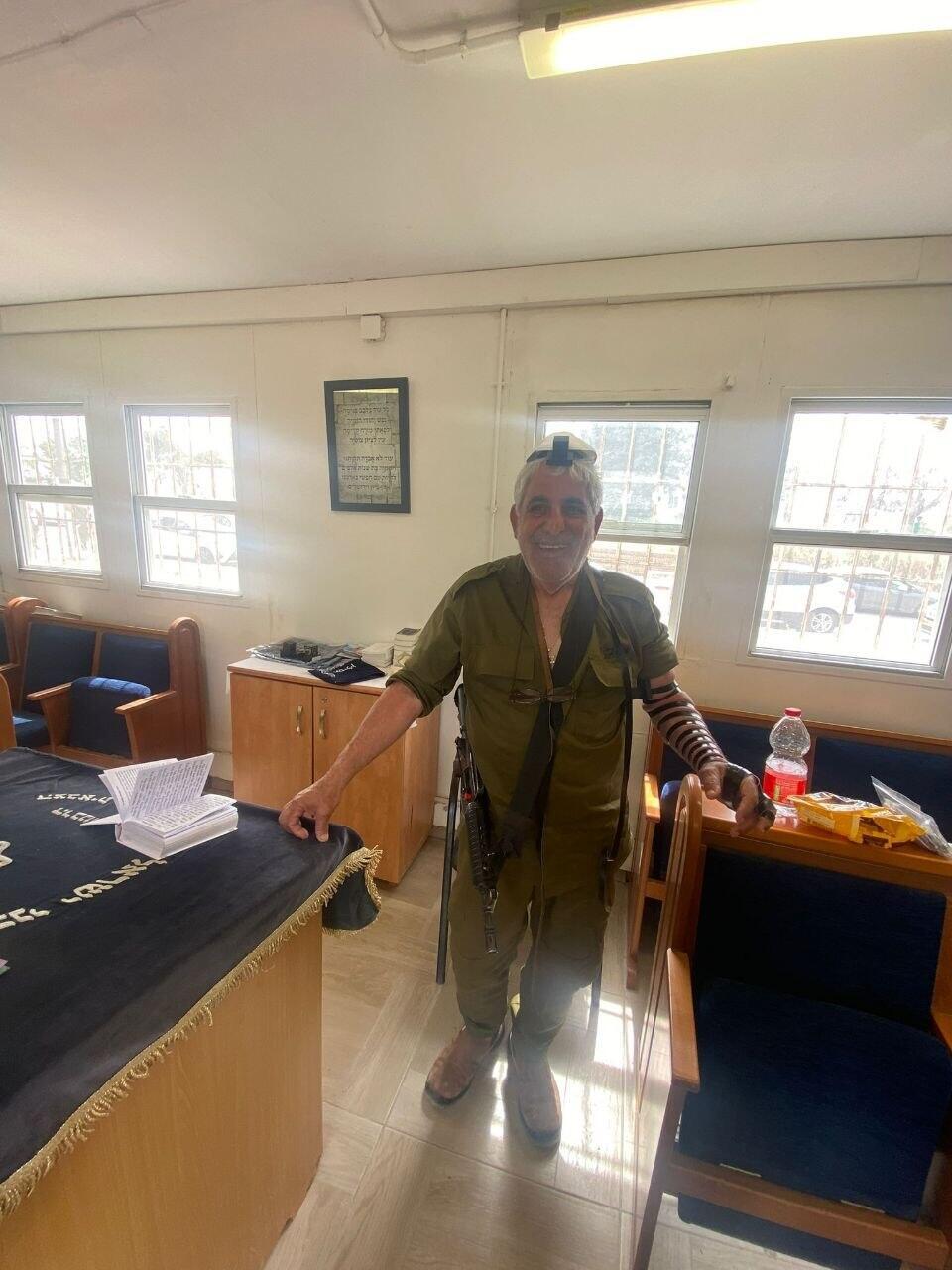
Hertzel Rahamim doesn’t skip prayer during reserve duty
(Photo: Courtesy)
Hertzel Rahamim secures one of the heavy vehicles to his truck
(Video: Courtesy)


Happily married, Rahamim is a father of five (three sons and two daughters) and grandfather to 15. When asked how his family responded to his drive to volunteer, he acknowledged the understandable concern but said it was accompanied by immense pride.
“I witnessed difficult scenes and went through some tough situations, both in the north and the south,” he said. “In Lebanon, mortar shells landed near us. At times, we hid under the trucks we were using to transport equipment. In Gaza, it wasn’t easy either, with live fire sometimes erupting not far from our route. Some drivers were even wounded by shrapnel.”
Each deployment lasts several months, with breaks in between. He’s already looking ahead to March 2026, when he is scheduled for another three-month deployment.
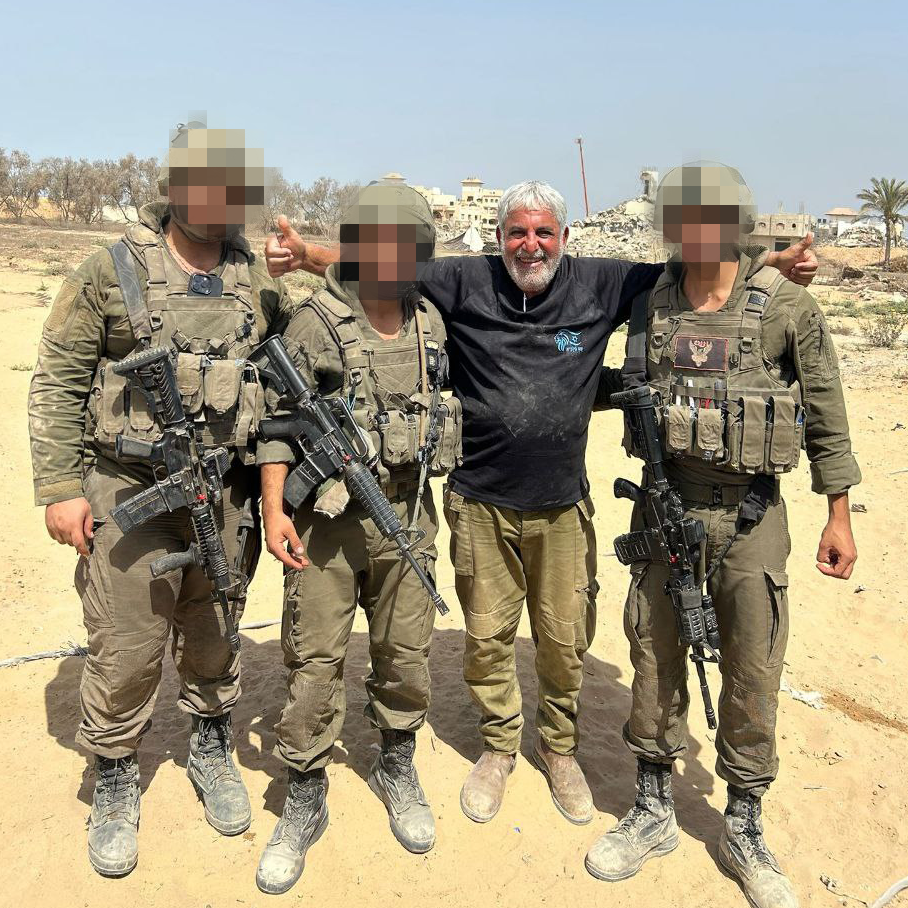
Hertzel Rahamim alongside IDF soldiers in the Gaza Strip
(Photo: Courtesy)
“I want to keep contributing for as long as I can,” he said. “It’s important to note that there’s no next generation, as most drivers are between 50 and 70 years old. Aside from some Bedouin drivers, it’s rare to find younger ones in their 30s or 40s.”
Beyond the technical work, Rahamim believes his story highlights something larger about the Israeli people. “Despite the hard work and long hours, for me, it’s like earning a million dollars,” he said. “As long as I can keep hooking up tanks and other tracked vehicles, I’ll keep volunteering, out of a sense of mission and love for the country."