

Is a new point of friction emerging in the fragile talks between Washington and Tehran? The United States will try to channel Iranian assets to Gulf states to help rebuild and repair damage caused in future Iranian attacks, a source familiar with the matter told Reuters on Saturday, a day after a wave of Iranian strikes against Kuwait and Bahrain, both Washington allies that host U.S. bases.
According to the source, U.S. Treasury Secretary Scott Bessent instructed a team at his department to ask Gulf allies for comprehensive estimates of the damage they have sustained since the start of the war, and the United States will consider using Iranian assets to repair it as well. CBS reported that the Treasury Department intends to use “all available authorities” to allow Iranian assets to be used for that purpose. It remains unclear which assets are under discussion — Iranian funds in frozen accounts alone or physical assets such as oil tankers.
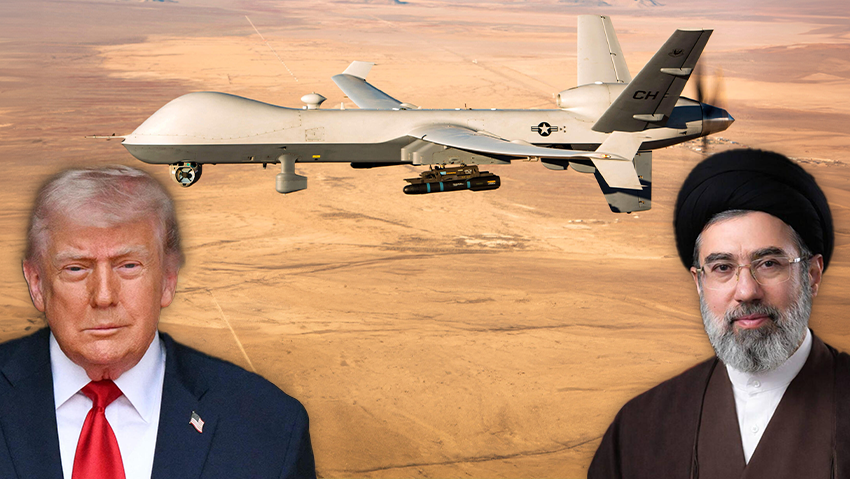
The negotiations between the United States and Iran have become entangled over Tehran’s demand to receive billions of dollars in oil revenues — immediately. While senior officials in Washington insist that no funds will be transferred upfront, Iran says the release of frozen assets is a red line for reaching an agreement. Tehran is also demanding sanctions relief on oil exports, the removal of the U.S. blockade on Iranian ports and influence over the Strait of Hormuz.
One of the main obstacles in the talks is Iran’s insistence on receiving about $12 billion upfront, in addition to another $24 billion during the 60 days of negotiations that would begin after the signing of an initial agreement. The funds would come from $100 billion in Iranian assets frozen around the world because of U.S. sanctions. Senior regime officials in Tehran argue that this is not an American “incentive” but money that rightfully belongs to them, and they see it as a necessary condition for proving Washington’s seriousness after, they say, being burned by it in the past.
Footage of strikes on radar sites in southern Iran
(Video: CENTCOM)


Senior Iranian official Mohsen Rezaee, an adviser to Iran’s supreme leader Mojtaba Khamenei, told CNN on Friday that $24 billion was not a large amount for the United States if it wanted a deal with Iran, stressing that the money belonged to Iran, not America.
Mohsin Raza Naqvi, Pakistan’s interior minister, whose country is serving as a key mediator in the U.S.-Iran talks, arrived in Tehran on Saturday carrying a “special letter” from Pakistan’s prime minister and army chief to Khamenei. In a meeting with his Iranian counterpart, Eskandar Momeni, he said he had come to deliver a message from Pakistan’s army chief, Asim Munir, and Prime Minister Shehbaz Sharif to the supreme leader, describing it as important and expressing hope that the talks would proceed smoothly and end peacefully. Naqvi is expected to meet other senior Iranian officials, including Foreign Minister Abbas Araghchi.
Meanwhile, pressure on U.S. President Donald Trump is also mounting at home, mainly because of rising gas prices and criticism of the war. In an interview with NBC on Saturday night, Trump criticized those pressing him to reach an agreement with Iran.
He said such matters take years, noting that the sides had been fighting for 47 years while he had been involved for only three months. He compared it to the 19-year Vietnam War and said critics were already asking when he would win, adding that a Democrat would not face the same pressure but that he had grown used to it.
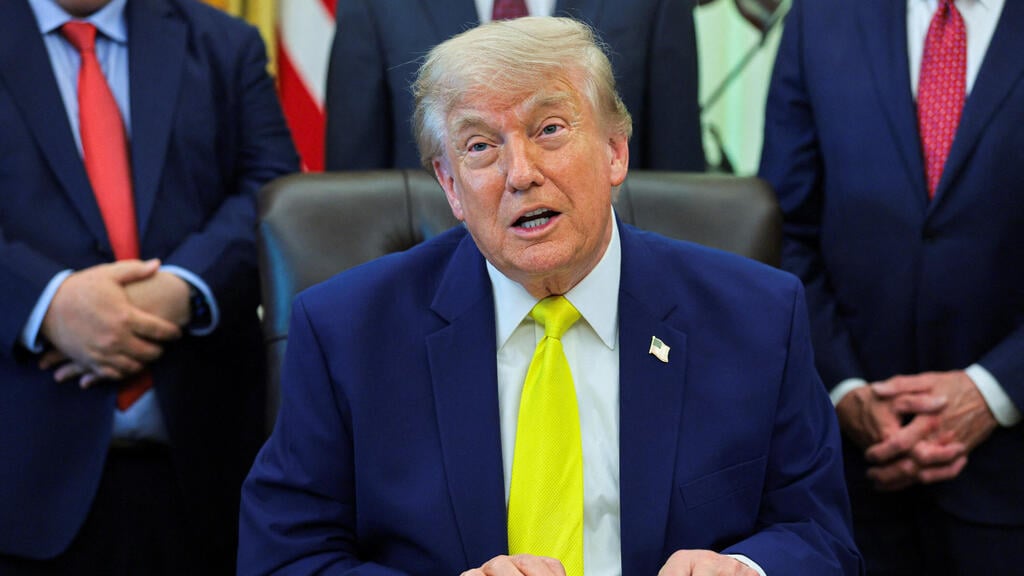
US President Donald Trump
(Photo: REUTERS/Jonathan Ernst)
Trump also said most of Iran’s drone and missile production facilities had been destroyed, but acknowledged that Iran still had a significant number of missiles, estimating that Tehran retained about 21% to 22% of its missile arsenal as well as some drones — far less than it had before the strikes began.
Axios reported Friday that Trump had asked for two changes to the emerging memorandum of understanding between Tehran and Washington, and Iran is expected to demand changes of its own.
The exchange of fire continued Saturday night despite the shaky ceasefire, as the U.S. military struck Iranian radar sites on the coast of Gurok and on Qeshm Island near the Strait of Hormuz after intercepting drones launched by Iran. U.S. Central Command said the drones posed a threat to maritime traffic in the area.
Iran’s Revolutionary Guards said they responded by attacking U.S. bases in Kuwait and Bahrain. Kuwait’s military said it intercepted seven ballistic missiles that crossed over residential areas, adding that property was damaged but there were no casualties. Sirens sounded in Bahrain, and residents were told to enter protected spaces. Both countries condemned the Iranian attacks. According to the U.S. military, six of the missiles launched by Iran were intercepted, while a seventh failed to reach its target.