

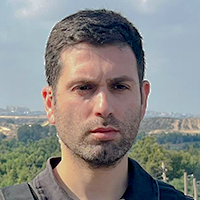
Maj. Gen. (res.) Nitzan Alon, head of the IDF Hostages and Missing Persons Headquarters, has agreed with IDF Chief of Staff Lt. Gen. Eyal Zamir to conclude his tenure after more than two years in the position. He will complete his service in the coming days.
Alon reported for reserve duty following the October 7 massacre and was appointed by the chief of staff to head the Hostages and Missing Persons Headquarters. Under his command, the headquarters worked to secure the return of the hostages, focusing on intelligence gathering and analysis, supporting negotiations, leading and executing special operations, and maintaining ongoing contact with the hostages’ families.
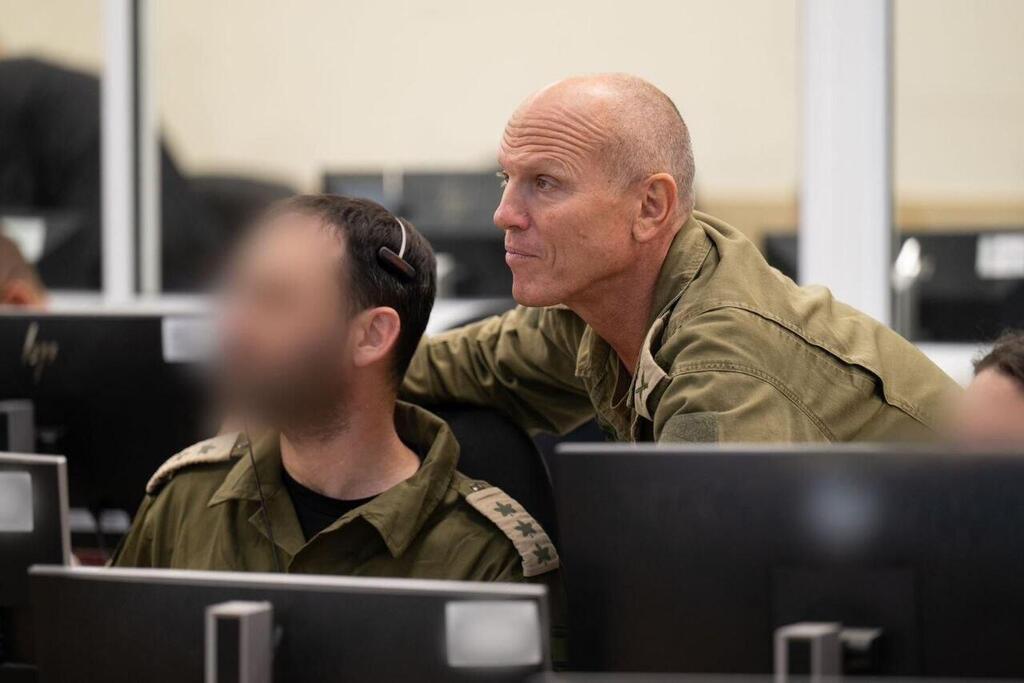
Lt. Gen. Zamir thanked Alon for his readiness to take on the important national mission of returning the hostages, for his unique contribution to the IDF during the war, for his dedication, and for his decisive contribution to efforts to safeguard the lives of the hostages, to bring about their release, and to return the fallen for burial. This, he said, was done together with everyone involved in the sensitive and vital work of the headquarters.
The IDF said the headquarters “will continue to operate in full and continuous cooperation with the Coordinator for Hostages and Missing Persons, Brig. Gen. (res.) Gal Hirsch. The effort will continue in the same format under the command of the headquarters’ operational commander, Col. Y., who has served there since its establishment.
“The chief of staff views the return of the hostages as a top mission and a moral duty, and makes clear that as long as there are hostages or fallen soldiers in the Gaza Strip, the mission is not complete. The IDF and the defense establishment will continue to act with every effort to bring home the hostages and the fallen.”
On October 13, Alon said: “The return of the hostages is a cornerstone of important national processes. It is a process of healing and recovery—and the rebirth of Israeli society. We know that many will remain, and we will need to act to bring them home in the coming days.”
That same day, speaking at the Hostages and Missing Persons Headquarters, he said: “During the night between October 7 and 8, 2023, the command post began operating amid chaos, with thousands of people unaccounted for. Through methodical, painstaking work, you turned nights into days to distill information and understand the fate of the hostages—to define the mission of safeguarding their lives. We grieve for everyone we could not save. Many here are scarred, carrying deep feelings of responsibility, and at times guilt. But it’s important to view this in balance: amid the fighting and the intensity of the war, there is much to be proud of in this good and important work.”
The mission of locating and rescuing hostages became a round-the-clock operation, seven days a week. Those who worked alongside Alon described him as a highly dominant figure: “A remarkable person, very intelligent, radiating quiet leadership. He’s sophisticated and patient, rarely raises his voice or loses his temper. A very determined man, and above all, shrewd in knowing how to persuade—when to push with full force, and when to lower his head, take a breath, let things calm down, and then press forward again.”
A former security official who worked closely with Alon said: “He built the headquarters with his own hands, before anyone knew what the scope of the hostage situation was. Slowly he pieced together the picture, recruited hundreds of intelligence officers, and built an entire operational system. That’s why, despite everything, he never left. Not a single operation was carried out without Nitzan’s input—or his warning about how it might affect the hostages. Even Chief of Staff Eyal Zamir’s cautions before launching Operation Merkavot Gideon B were based on what Alon told him—that it could endanger the hostages.”