


After more than two years of proceedings held largely behind closed doors, the Supreme Court on Thursday allowed the publication of the identity of the man known as “the fake officer,” following requests by Yedioth Ahronoth and ynet.
The defendant was named as Assaf Shmuelevitz. Judges said lifting parts of the publication ban was intended, among other things, to “dispel the fog” surrounding the case and counter conspiracy theories that had spread online. Be’er Sheva District Court Judge Rachel Toren wrote that distorted reports created a shared public interest in revealing details of the affair. Supreme Court Justice Gila Kanfi-Steinitz said publication was “the appropriate response” to rumors and speculation.
Gallery
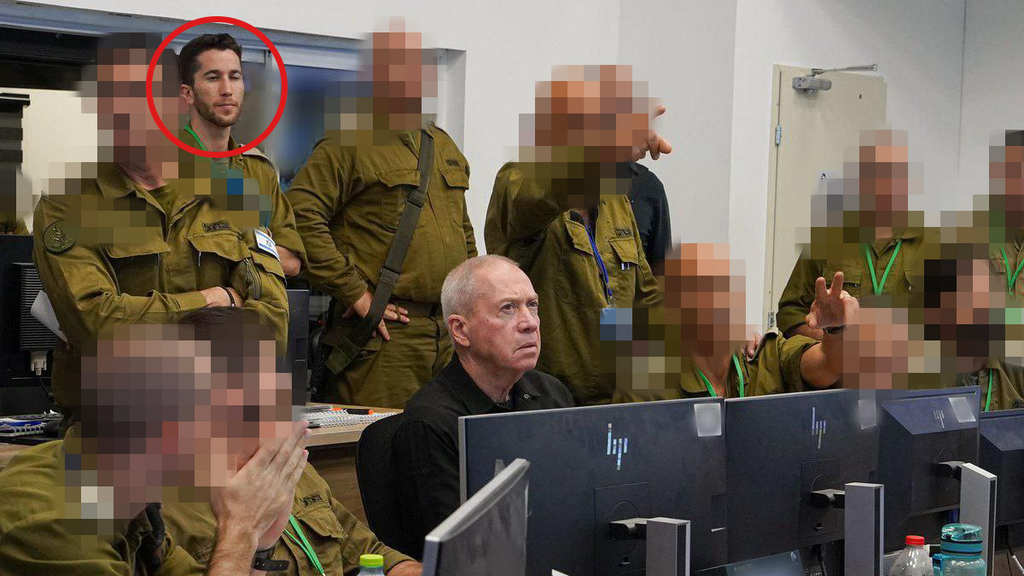
Assaf Shmuelevitz with Defense Minister Yoav Gallant at the beginning for the war
(Photo: IDF)
Shmuelevitz is accused of impersonating an IDF captain in the early days of the war following the October 7 massacre, entering military command centers, recording classified conversations, collecting sensitive information and passing it to unauthorized individuals. Political figures had previously linked him to the protest group Brothers in Arms, but prosecutors say he has no connection to the organization and did not take part in demonstrations against the judicial overhaul.
Even after his name was published, questions continued to circulate online. Was he operated by foreign actors? Was he a spy? What is his connection to Brothers in Arms? Why did he undergo psychiatric evaluations? And how, if at all, is former deputy chief of staff Yair Golan involved? Ynet answers the key questions.
Was Shmuelevitz operated by foreign actors?
According to the indictment, no. Prosecutors say he acted on his own initiative, decided to report for reserve duty and approached officers while falsely presenting himself as an intelligence officer and a member of a special unit.
What is he charged with?
He faces charges of serious espionage, passing classified information, unlawfully entering military facilities and obtaining benefits by fraud under aggravated circumstances.
Is he a spy?
Prosecutors distinguish between the legal definition of espionage and the popular image drawn from books and films. The charge relates to obtaining, recording and transferring classified information to unauthorized individuals, not to passing information to hostile entities.
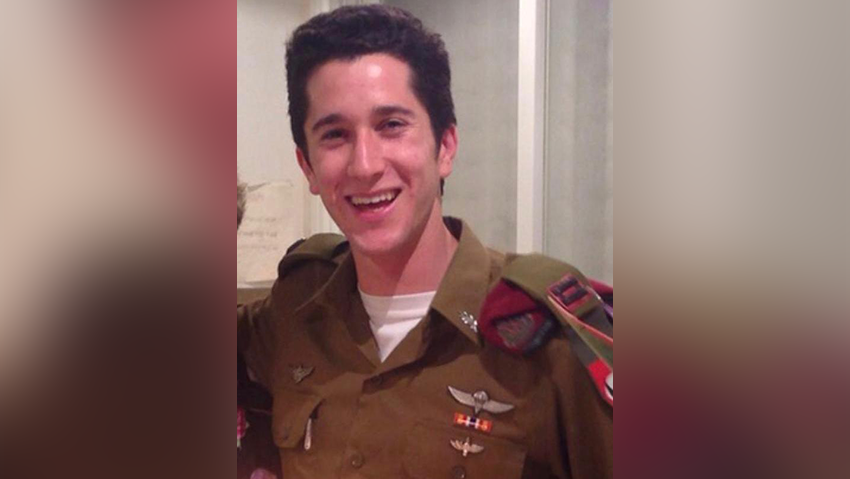
Shmuelevitz
What is the connection to Brothers in Arms and Yair Golan?
There is none. One prosecution witness who once gave Shmuelevitz a ride is a member of Brothers in Arms. Golan is mentioned in the indictment but is not a witness, and Shmuelevitz did not pass information to him.
When was the case first revealed?
In January 2024, the Be’er Sheva District Court allowed partial publication of the affair, describing how an Israeli impersonated an officer amid the chaos after October 7. Further details were later released, but Shmuelevitz’s name remained under a gag order until now.
What about the psychiatric evaluations?
Shmuelevitz underwent extensive psychiatric assessments over several months. A panel of three experts concluded he was not criminally responsible at the time of the alleged offenses. Prosecutors accepted the findings, opening the door to an insanity defense.
Despite this, Shmuelevitz, who is deemed fit to stand trial, has denied the charges and requested a full evidentiary hearing, arguing that he acted with authorization and in the interest of national security.
What happens now?
An updated IDF information security assessment found the material involved no longer poses a risk, allowing the court to consider alternatives to detention. A probation report has been ordered to examine possible release conditions.
So far, 11 evidentiary hearings have been held, with testimony from 21 prosecution witnesses. Two more prosecution witnesses remain before the defense case begins.
Justice Kanfi-Steinitz wrote that prolonged secrecy had fueled suspicion and conspiracy theories, adding that publishing accurate information would help the public distinguish fact from fiction and reduce their spread.