

Iranian and U.S. negotiators ended indirect talks in Geneva on Tuesday after about three and a half hours of exchanges, agreeing to reconvene within two weeks despite significant unresolved differences, according to reporting by CNN.
The discussions were conducted through written messages delivered via Omani mediators. While both sides described the meeting as constructive, neither provided detailed explanations of what was agreed upon or clarified the full scope of the negotiations.
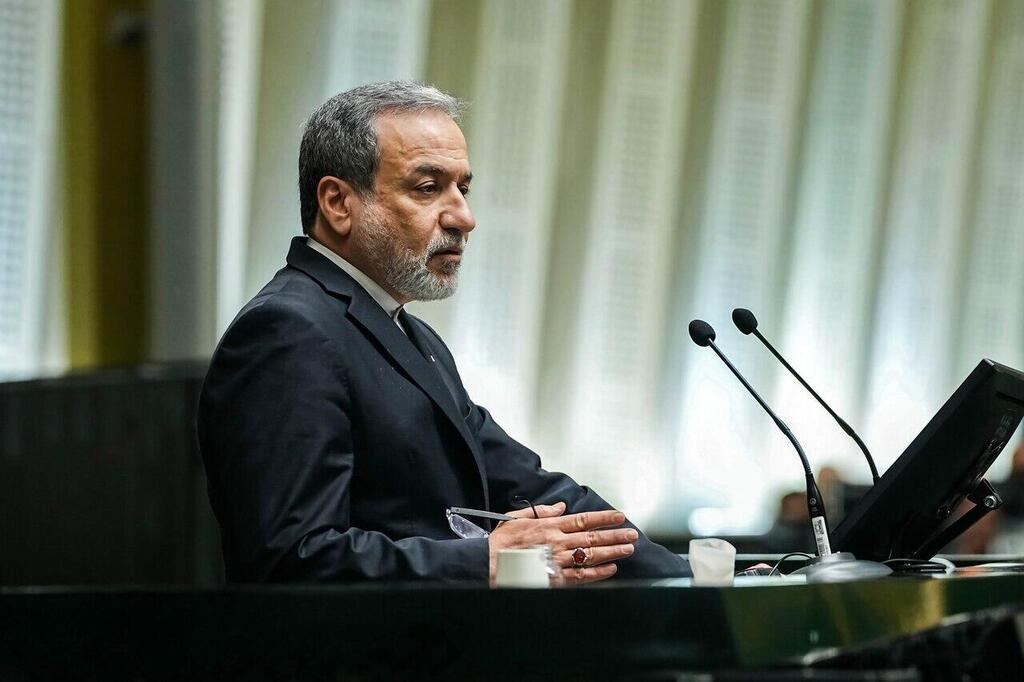
Iranian Foreign Minister Abbas Araghchi said the delegations had reached agreement on a “set of guiding principles” and would begin working toward drafting a potential framework. An American official, speaking on condition of anonymity due to the sensitivity of the talks, told CNN that “there are still a lot of details to discuss” and that Tehran indicated it would return within two weeks with more concrete proposals.
Vice President JD Vance said President Donald Trump “reserves the ability to say when he thinks that diplomacy has reached its natural end,” adding that Iran has not accepted certain U.S. “red lines,” according to CNN.
It remains unclear whether the negotiations are limited to Iran’s nuclear program or could expand to include other issues, such as ballistic missiles or Tehran’s regional activities.
The diplomatic engagement comes amid rising regional tensions. During the talks, Iran conducted military exercises involving cruise missiles and naval vessels and briefly restricted shipping traffic through the Strait of Hormuz, CNN reported.
Trump has authorized continued indirect diplomacy while also reinforcing U.S. military deployments in the region. The USS Gerald R. Ford aircraft carrier is expected to join other American assets positioned in the Middle East in the coming weeks, according to CNN.
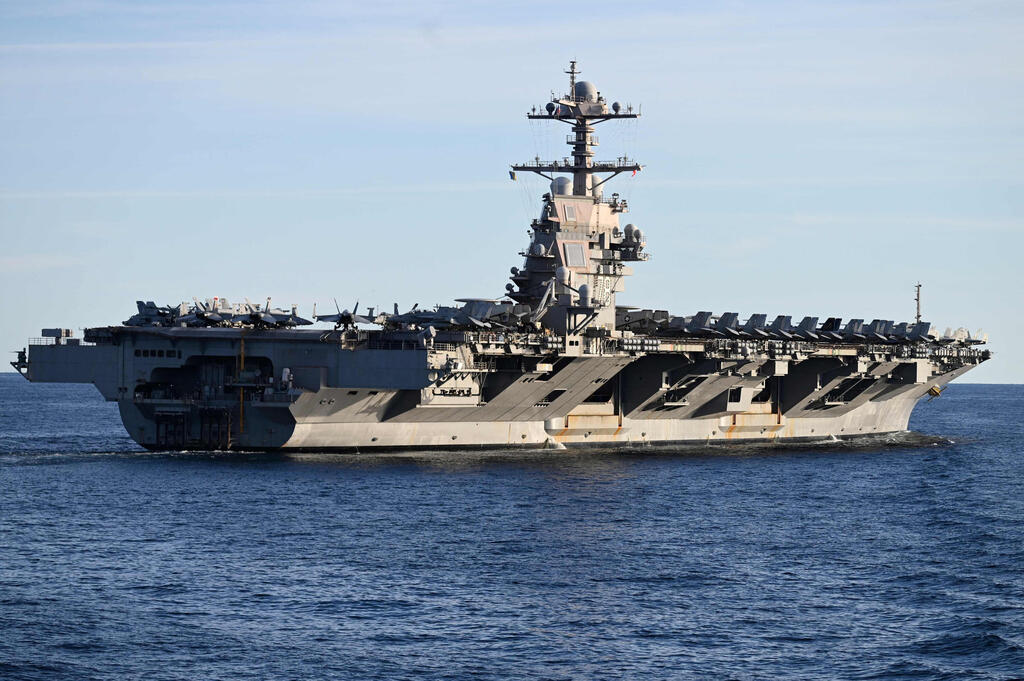
USS Gerald R. Ford
(Photo: Jonathan KLEIN / AFP)
Officials familiar with internal discussions told CNN that Trump is cautious about allowing negotiations to drag on without tangible progress, amid concerns Iran could attempt to prolong the process. Prime Minister Benjamin Netanyahu raised similar concerns in a recent meeting with the U.S. president.
Trump has set no firm deadline for a deal but has indicated he expects swift movement. “It should happen quickly,” he said last week when asked about a timeframe.
However, nuclear diplomacy has historically required prolonged technical negotiations. The 2015 nuclear agreement took more than two years to finalize. Trump withdrew from that accord during his first term, arguing it failed to sufficiently constrain Iran’s nuclear ambitions. Talks held earlier during his current term collapsed after months, followed by U.S. strikes last summer targeting Iranian enrichment facilities, according to CNN.
Administration officials believe Iran may now be under increased pressure to negotiate due to economic strain from sanctions and the growing U.S. military presence in the region, CNN reported. Still, Iranian officials have not indicated readiness to make immediate concessions.
Iran has suggested potential steps, including diluting uranium enriched to 60%, temporarily suspending enrichment activities or transferring stockpiles to a third country. Trump has publicly insisted the United States does not want Iran to enrich uranium at any level, setting up a potential central obstacle.
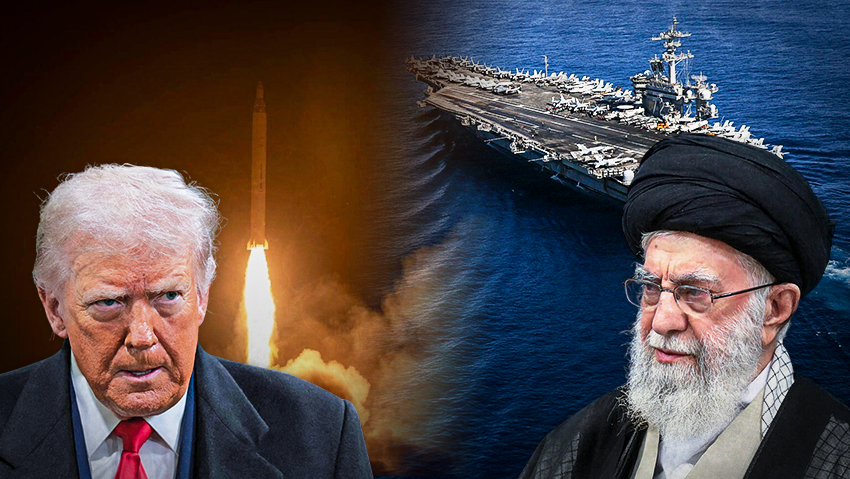
(Photo: Anna Moneymaker/AFP, KHAMENEI.IR/AFP)
Some regional diplomats have floated the possibility of a broader agreement that would combine nuclear restrictions with nonaggression commitments and potential economic arrangements. Such proposals could include expanded U.S. commercial access to Iranian energy and mineral resources, CNN reported.
Analysts say uncertainty about the consequences of military action may be encouraging Washington to give diplomacy more time.
“The key question is what happens the day after,” Amos Hochstein, a former U.S. envoy under President Joe Biden, told CNN. “If there were clarity on that, we might already have seen a different course of action.”
Any final agreement would require approval from Iran’s Supreme Leader Ayatollah Ali Khamenei, who has maintained a firm stance on the nuclear issue and continued to issue warnings amid the U.S. buildup. American officials told CNN that securing his endorsement would be the most challenging phase of the process, particularly if negotiations continue through intermediaries without direct authority to finalize an agreement.