

Iranian President Masoud Pezeshkian has accused senior Islamic Revolutionary Guard Corps commanders of undermining ceasefire efforts and escalating the conflict, according to a report by the opposition-aligned Iran International.
The report, citing two sources close to the presidential office, said Pezeshkian confronted Hossein Taeb on April 4 in what was described as a tense and highly charged exchange.
Gallery
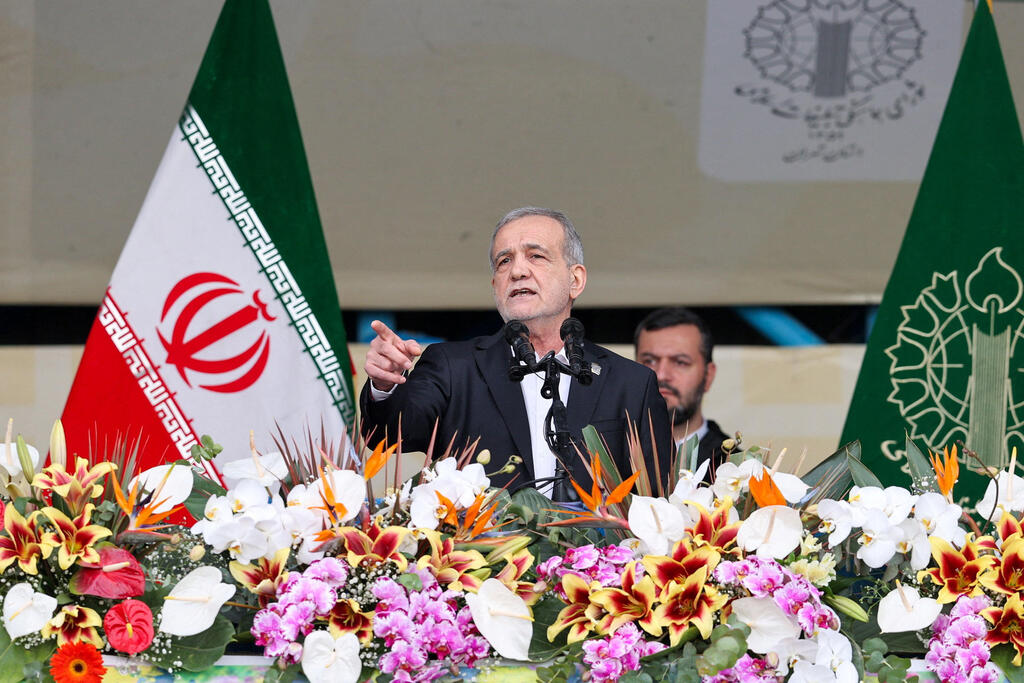
Iranian President Masoud Pezeshkian
(Photo: Majid Asgaripour/WANA (West Asia News Agency) via REUTERS)
During the meeting, Pezeshkian accused IRGC commander Ahmad Vahidi and Ali Abdollahi, commander of Khatam al-Anbiya Central Headquarters, of acting unilaterally and driving escalation through attacks on regional countries, especially against infrastructure, the report said.
According to the sources, Pezeshkian said those policies had destroyed any remaining chance of a ceasefire and were steering the Islamic Republic toward “a huge catastrophe.”
He also warned that Iran’s economy would not be able to withstand a prolonged war for much longer and that full economic collapse was inevitable under current conditions, according to the report.
Iran International said the confrontation reflects a broader shift inside Iran’s power structure, with military and intelligence networks increasingly sidelining the elected government and the traditional clerical establishment.
The report said tensions between Pezeshkian and senior IRGC commanders, especially Vahidi, have been growing over how the war is being managed and its impact on livelihoods and the economy.
On March 28, Iran International reported that Pezeshkian criticized the Guards’ approach to escalation and warned that without a ceasefire, the economy could collapse within three weeks to a month.
The report also said the president’s authority has continued to shrink, with the Guards resisting his appointments and decisions and asserting control over key wartime positions.
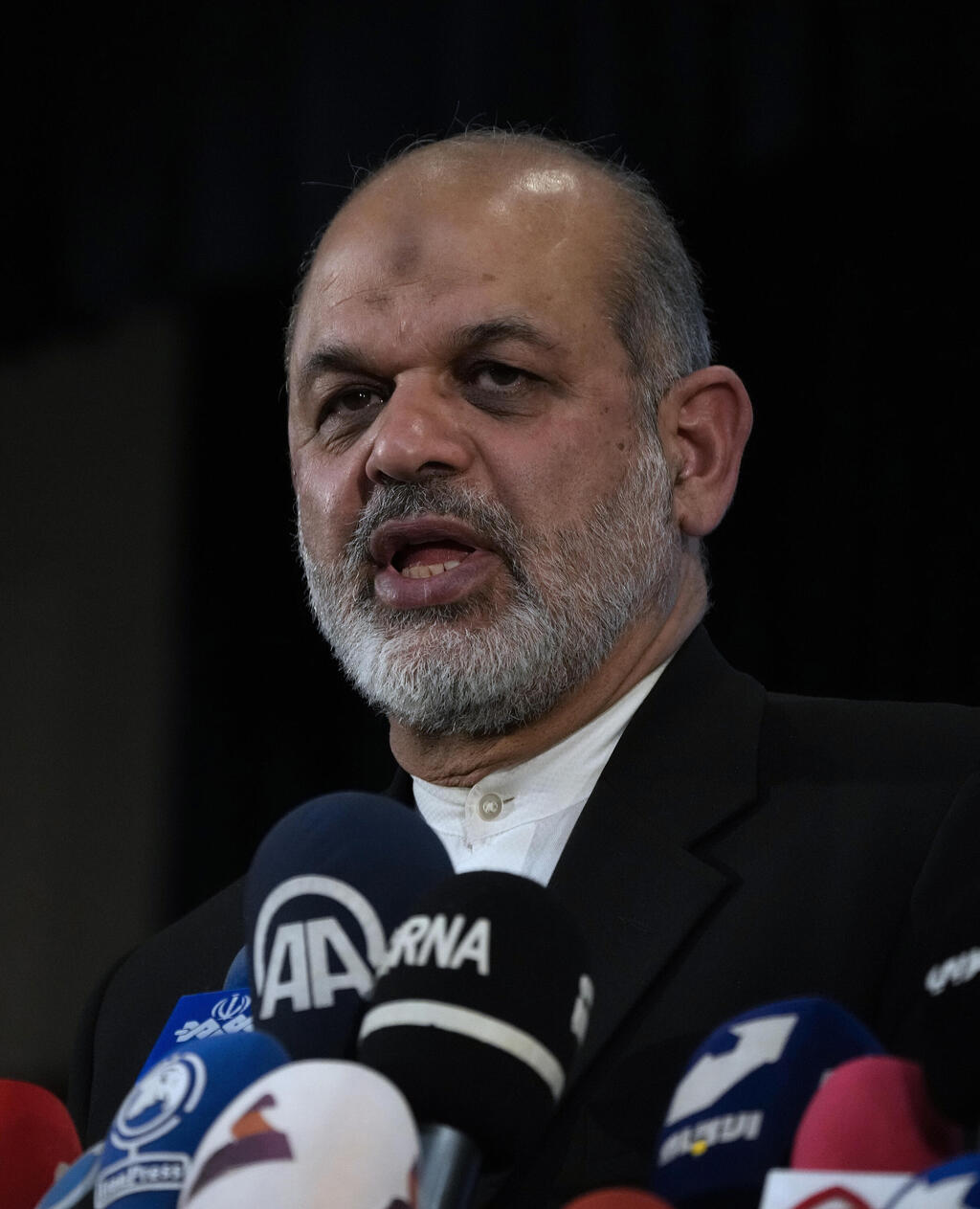
IRGC commander Ahmad Vahidi
(Photo: AP Photo/Vahid Salemi)
According to Iran International, Pezeshkian’s effort to appoint a new intelligence minister failed after Vahidi rejected all proposed candidates, including Hossein Dehghan, and insisted that key wartime roles be managed directly by the Guards.
The report further said Pezeshkian was forced under IRGC pressure to appoint Mohammad Bagher Zolghadr as secretary of the Supreme National Security Council despite his dissatisfaction with the choice.
Separately, Iran International reported worsening conditions among IRGC and Basij forces, citing shortages of food, hygiene supplies and sleeping arrangements over the past 72 hours.
Sources cited in the report said recent strikes on infrastructure and bases left many personnel sleeping in the streets, and in some areas they had access to only one meal a day.
Some personnel were reportedly forced to buy food with their own money after expired rations were distributed, according to the report.
Iran International also said disruptions to Bank Sepah’s electronic systems delayed salaries and benefits for military personnel, increasing frustration within the ranks.
The report said shortages and communications failures were also affecting missile units, where commanders were sending technical components to keep systems operational but not basic supplies for personnel.