


A week after a ceasefire was declared between Israel and Hamas, tensions flared again Monday as several Palestinian terrorists were spotted crossing the designated security line and approaching Israeli forces in Gaza, according to the IDF.
The military said troops opened fire on terrorists who crossed the so-called "yellow line" near the Shijaiyah neighborhood in eastern Gaza City, describing the move as a necessary response to remove an immediate threat.
Aerial view of Gaza City
(Video: Reuters)


The incident came just a day after a deadly attack in Rafah, where terrorists emerged from a tunnel and fired an anti-tank missile at an Israeli engineering vehicle, killing Nahal Brigade two soldiers and seriously wounding a reservist. The Nahal Brigade combat team had been operating in the area as part of ongoing tunnel-clearing missions.
According to the IDF, Palestinian terrorists have repeatedly violated the ceasefire agreement in recent days. In response to Monday’s attempted infiltration, Defense Minister Israel Katz instructed the military to send a clear message to Hamas leadership via the U.S. oversight mechanism, warning that any Hamas member found beyond the yellow line must immediately withdraw or risk being targeted without further warning.
“The protection of IDF soldiers is our top priority,” Katz said. “We will take every necessary measure to ensure their safety and the freedom to operate against any threat.”
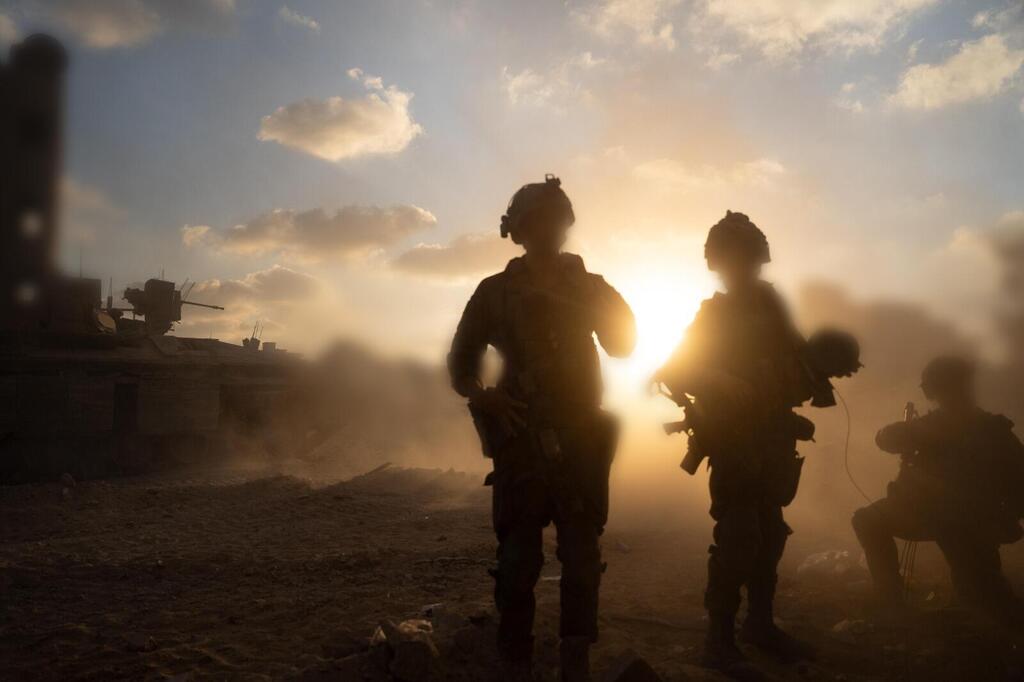
Late Sunday, following the deadly Rafah incident, the IDF announced it would resume enforcement of the ceasefire under government orders, vowing to respond forcefully to any violation.
Earlier in the day, Israel had briefly halted humanitarian aid into Gaza, but a senior Israeli official later clarified that the suspension was tied to airstrikes launched in response to the ceasefire breach. Under pressure from U.S. envoys Jared Kushner and Steve Witkoff to preserve the agreement, Prime Minister Benjamin Netanyahu reportedly ordered a return to the ceasefire framework. Aid deliveries through the Kerem Shalom and Kissufim crossings resumed Monday morning, though the Rafah crossing remained closed.
Military officials say they expect more incidents like the one in Rafah to occur in the coming months, particularly in zones still under partial Israeli control. These areas, located between the Gaza border fence and Israel’s internal withdrawal line—the “yellow line”—cover several dozen square kilometers. While many buildings in these zones have been demolished, Hamas tunnels remain active underground.
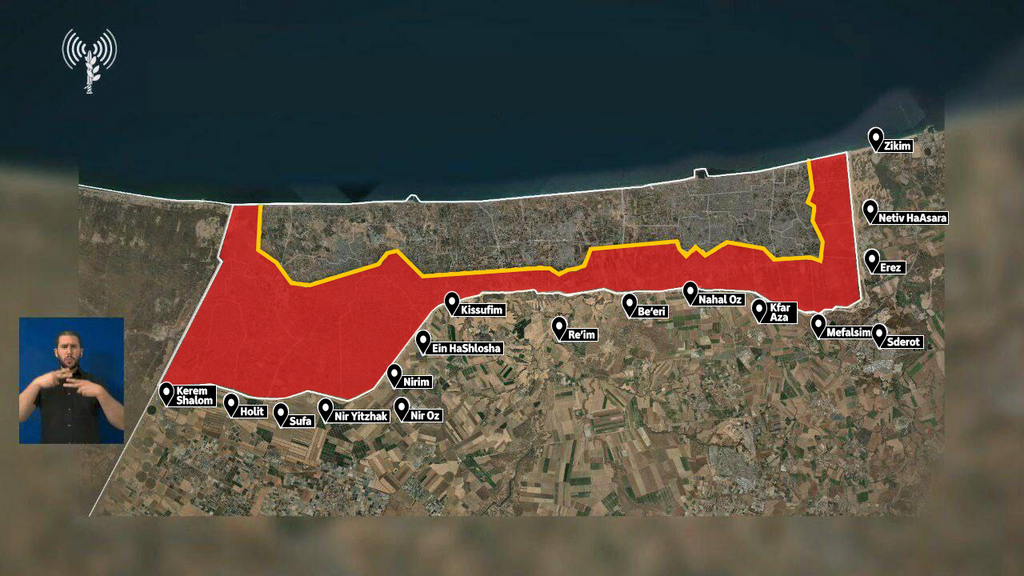
The Gaza yellow line
(Photo: IDF)
Israeli troops frequently encounter terrorists trapped in these tunnels during demolition operations. In two such incidents Friday in Khan Younis and Rafah, terrorists clashed with IDF units but were repelled without Israeli casualties. The army considers those episodes to be the first significant breaches of the current ceasefire, though they received little public attention due to simultaneous events surrounding the return of Israeli hostages.
Despite the ceasefire, IDF units have conducted daily warning fire to deter Palestinians from entering sensitive zones as Israel continues to establish new military outposts along the yellow line. Military leaders on the ground have expressed skepticism about the durability of the truce, citing near-daily violations and threats from terrorists refusing to surrender their positions.