



Four days have passed since Hamas last returned the remains of Israeli hostages, and despite the terms of the deal — and the fact that 13 bodies are still believed to be held — no further transfers have taken place. But on Saturday, amid mounting U.S. pressure on Hamas, a senior Israeli official said progress is being made and a new return could take place “soon.” Still, there was no indication that any transfers would occur Saturday night, after similar expectations on Friday failed to materialize.
U.S. officials now believe Hamas is stalling and bluffing — delaying the return of hostages’ remains to prolong the cease-fire and avoid renewed pressure to disarm. Washington is applying intense pressure on Hamas through regional mediators but, at the same time, is preventing Israel from escalating sanctions, giving the talks more time.
Marco Rubio, at the end of his visit to Israel
(Video: Ziv Sokolov, U.S. Embassy Jerusalem)


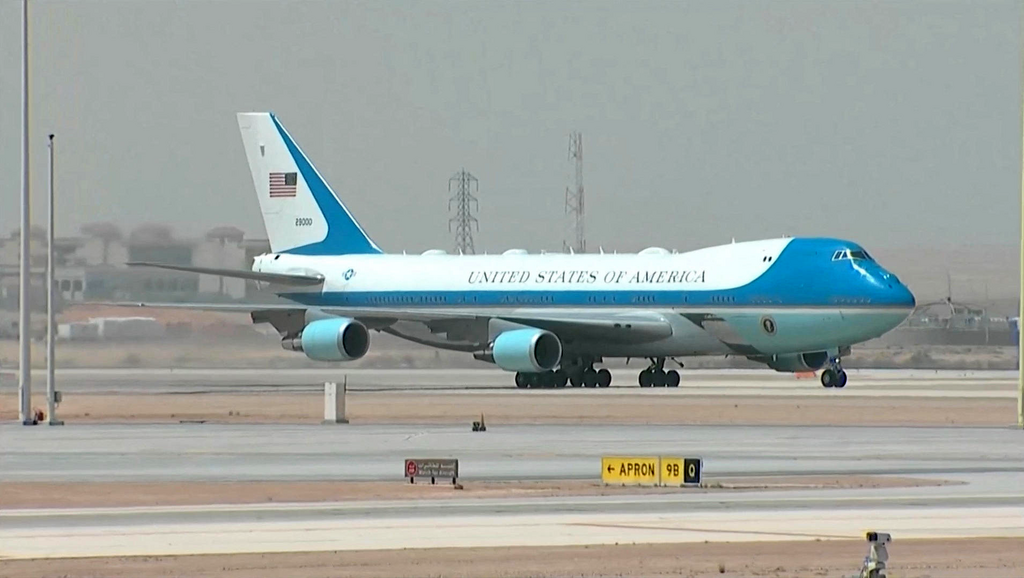
As part of the U.S. push, President Donald Trump is scheduled to meet Saturday in Qatar with Emir Tamim bin Hamad Al Thani and Prime Minister Mohammed bin Abdulrahman Al Thani. The meeting will take place aboard Air Force One during a refueling stop on Trump’s way to Malaysia for a five-day Asia tour.
Secretary of State Marco Rubio, who concluded a brief visit to Israel as part of the administration’s effort to maintain the cease-fire — dubbed “Bibi-sitting” by officials — is expected to join the Qatar meeting in Doha.
Since Sunday, Israel has delayed reopening the Rafah crossing as a form of pressure for the return of the hostages’ remains — a move the U.S. has approved. However, Washington has not allowed Israel to reduce or halt the flow of humanitarian aid into Gaza. A defense official confirmed Israel wants to impose harsher measures, but U.S. opposition is holding that back to avoid collapsing the deal.
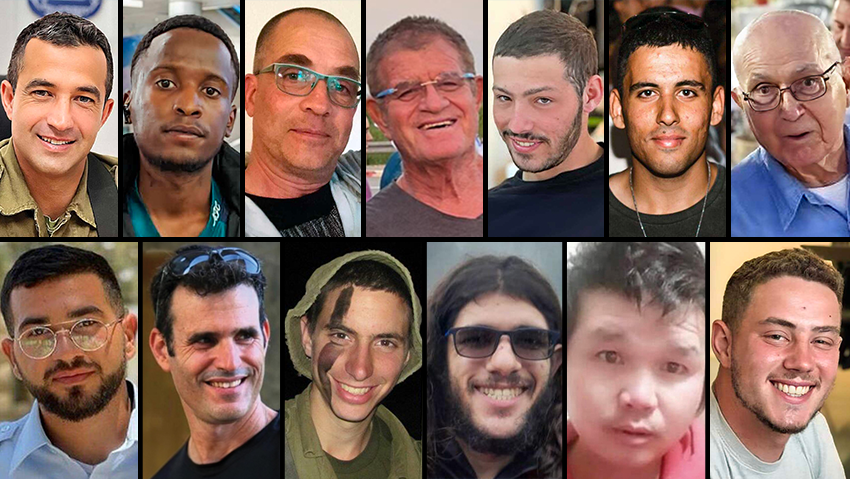
The 13 slain hostages
(Photo: IDF Spokesperson, courtesy of the families)
Among the sanctions being considered by Israel are resuming airstrikes, re-arresting released prisoners in the West Bank, and cutting humanitarian aid — steps the U.S. currently opposes, favoring diplomatic efforts.
Despite tensions, the senior Israeli official insisted there is movement behind the scenes. “We are seeing real efforts from all sides, including Hamas, to locate and retrieve the remains,” the official said. “We believe that with continued effort, we’ll be able to bring everyone home.”
A senior cabinet member added: “We know Hamas could release more remains immediately and with minimal effort, but it chooses not to. That’s why we are carefully weighing how and when to act, and what tools to use — always in coordination with the Americans. Hamas, as always, is playing for time.”
Itay Chen's parents: '750 days have passed'
(Video: Hostage Families Forum)
During his visit, Rubio met with the families of Itay Chen and Omer Neutra, two American-Israeli hostages who died in captivity. After the meeting, he tweeted: “We will not forget the lives of the hostages who died in the captivity of Hamas. Today I met with the families of American citizens Itay Chen and Omer Neutra. We will not rest until their — and all — remains are returned.”
U.S. Ambassador to Israel Mike Huckabee, who joined Rubio and the families, said the Secretary of State’s visit was “very productive in moving forward President Trump’s Gaza plan. But before the plan can work, all hostages must be released.”
Itay Chen’s parents, Hagit and Ruby Chen, urged the public to gather Saturday evening at Hostage Square in Tel Aviv. “It’s been 750 days since we last saw our son,” they said in a joint statement. “He and 12 others are still in Gaza. We must bring them all home. Returning the remains is about saving lives — it’s about saving families.”
Israeli intelligence estimates that Hamas holds the remains of eight hostages and does not know the location of five others. A planned international task force to locate and recover the bodies has not yet begun operations, though U.S. officials continue to push for its formation.