

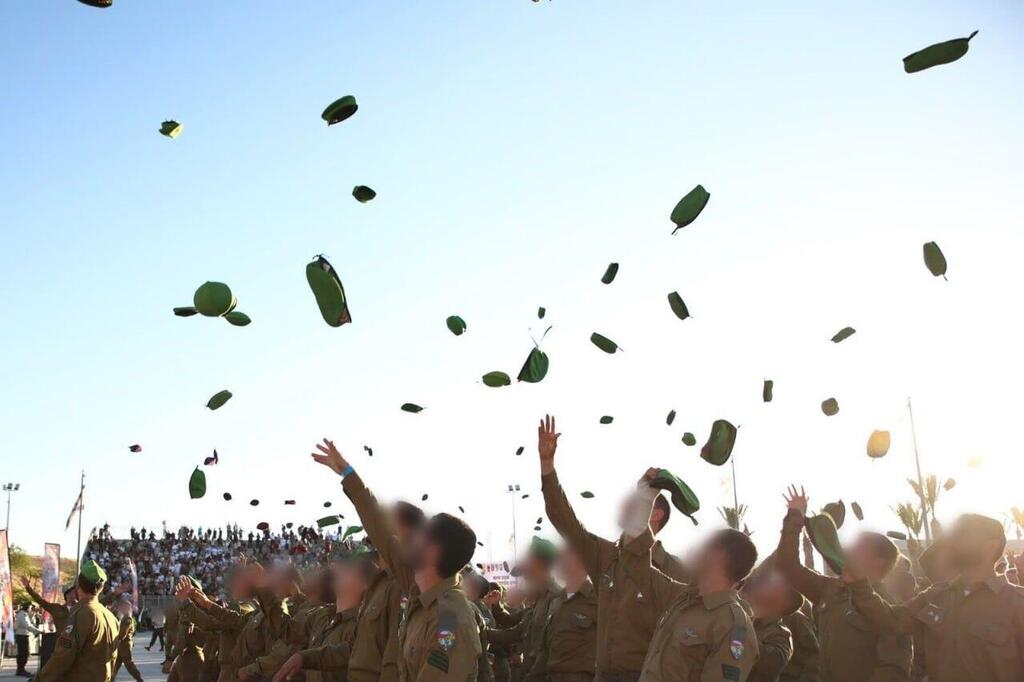
For decades, the Bislamach Brigade's commanders course was considered the infantry's sterile laboratory: three months of combat techniques, topographical analysis and controlled field exercises. But the complex reality of prolonged warfare, a manpower shortage and exhausted reservists has shattered the old model. Today, the brigade that killed Hamas leader Yahya Sinwar in Rafah is forced to contend with the fact that at times, as much as one-third of the training period is devoted to combat operations in the field. Now, its commanders describe how they are making it work.
The brigade is forced to operate under a complex and challenging command model: training tomorrow's IDF commanders while simultaneously conducting active maneuvers on all fronts, from the Gaza Strip, through the front line in Lebanon, to intensive arrests in the West Bank.
The senior officers' dilemma
Conversations with the brigade's commanders reveal the dilemma that senior leadership faces every day: How do you preserve the foundations of command, values and professionalism for a future squad commander when a significant portion of the course is being cut short for operational activity in the field?
"The debate over whether the activity contributes to or harms the training accompanied us throughout the process," admits Lt. Col. Y, commander of the brigade's 17th Battalion, who is completing his post after overseeing six training cycles under fire.
"That's a real dilemma. A squad commanders course lasts about 12 weeks in total, and suddenly you cut a third of it for combat. The moment the trainee enters combat, he is no longer a student. He is a full-fledged soldier. But that's what reality and the manpower situation demanded. In the end, we understood that what they see in the field — the explosive device in Tulkarm or the encounter in dense vegetation — gives them a command foundation that no dry exercise can provide."
Lt. Col. Y, who grew up in the Givati Brigade and was primarily familiar with the Gaza front, found himself leading his soldiers in a complex maneuver in southern Lebanon under the command of the 91st Division.
"Arriving in Lebanon was a dramatic change. The battalion fought in Gaza throughout all the rounds, but here the terrain is completely different. You arrive with a lot of apprehension, but also with a sense of privilege. In my generation, Lebanon was discussed as a distant reference scenario, and suddenly these guys, just eight months after enlistment, find themselves inside it."
The transition between Gaza and Lebanon required a profound conceptual shift, he says.
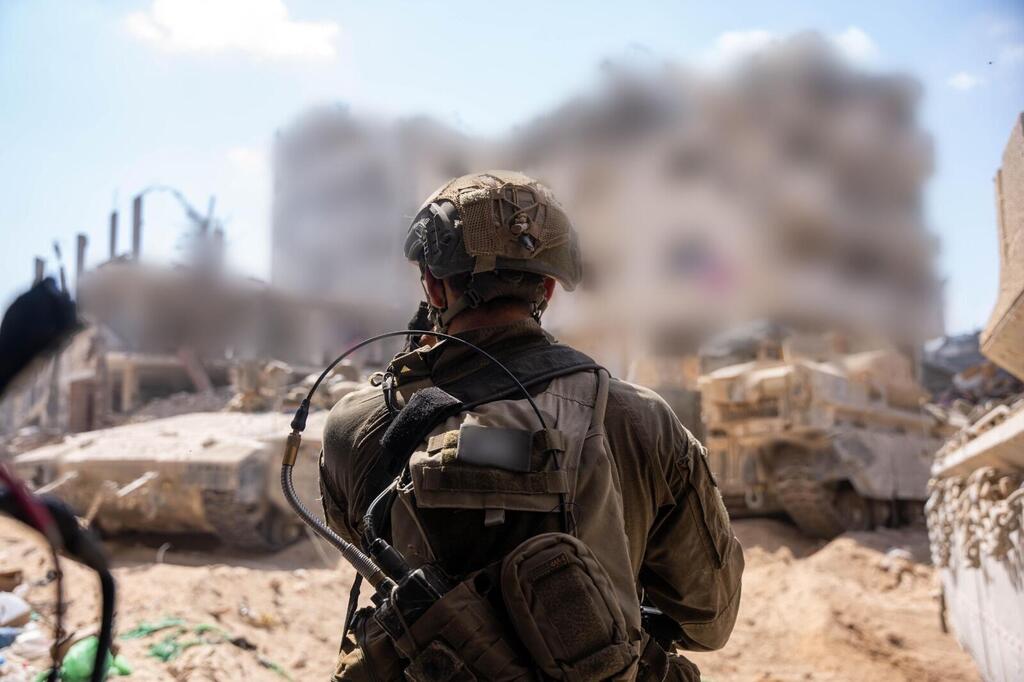
Bislamach Brigade forces operate in Gaza
(Photo: IDF Spokesperson)
"In Gaza, you would enter between two buildings and no one could see you 50 meters ahead. In Lebanon, suddenly you're exposed to a threat seven kilometers away. We worked with the trainees on the mindset that you're not just looking for the enemy on the other side of the wall. You're looking farther ahead and thinking about where you are exposed. The pace of movement in built-up areas also changed. This shift required us as commanders to make the training more precise — we removed less relevant content and distilled the eight weeks of training."
A practical lesson
The battlefield's dynamism is particularly evident in dealing with new technologies. The brigade's operations officer describes how operational activity incorporates tools that have only recently entered use, including drones and precision-guided munitions.
"Since the launch of Operation Roaring Lion, we demanded to take an active part in the fighting," the operations officer says. "We moved up the course's induction in order to increase readiness and join the maneuver in the eastern sector of Lebanon. We destroyed numerous enemy infrastructures along the first line of villages, in places where forces had not previously reached. The trainees who return from there come back with enormous added value. The lesson isn't theoretical; it's real. Most of the soldiers who come to our course have never experienced combat because they came directly from their training programs. When they return to the larger army as commanders, they know exactly how to lead soldiers under fire."
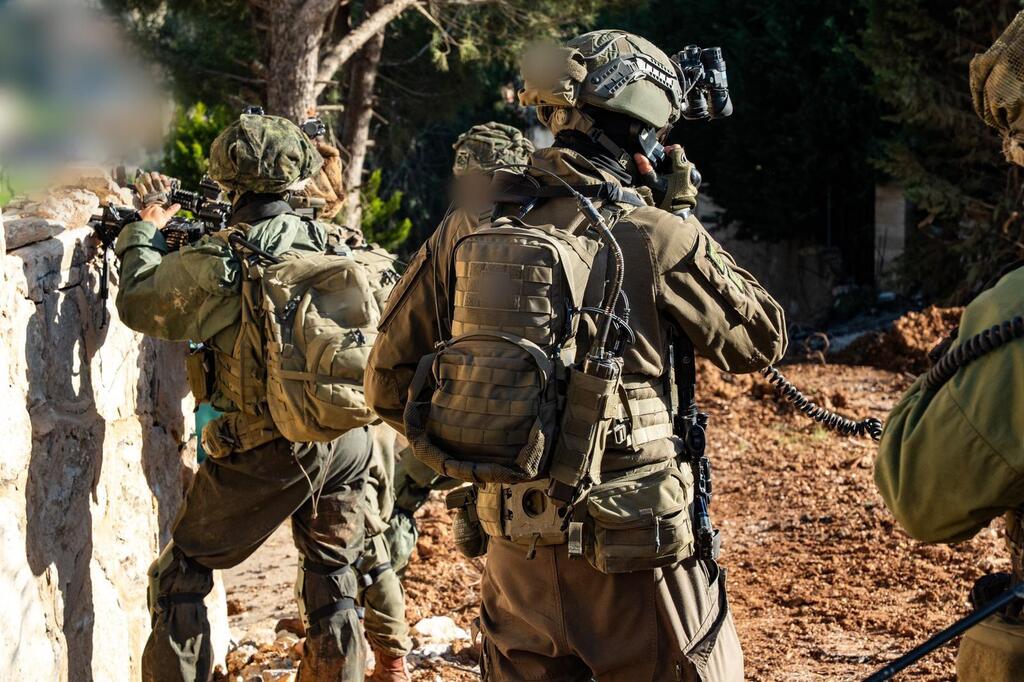
Bislamach Brigade forces operate in southern Lebanon
(Photo: IDF Spokesperson)
The operations officer also addresses the mental and ethical issues facing young commanders.
"The soldiers who come to us have very strong values. When fringe incidents occur, their moral compass is clear. On the battlefield, you meet people from all parts of Israeli society, regardless of their views, in complete unity."
The brigade acknowledges that incorporating combat into a command course requires a delicate balance and constant risk management. The brigade's deputy commander, Lt. Col. D, explains:
"Bislamach is a unique brigade that combines reserve forces and training, and its commanders are among the best — battalion commanders and officers serving in their second and third command positions who later go on to the leading reconnaissance units. When training meets combat, it's the best thing you can give a trainee. Sometimes people argue that operational activity comes at the expense of learning, but the value a trainee receives from a real attack is far greater than what he gets from a dry exercise."
To ensure that the reduction in classroom hours did not compromise the quality of its commanders, the brigade conducted an extensive staff review.
"We conducted feedback sessions with commanders in the field who received our graduates at the training bases and combat units," the deputy brigade commander says. "The answers were unequivocal: The graduates arrive much better prepared, more capable of leadership and with a deeper operational understanding. Reality proved that the demand to be ready for war made us better and more precise in our training."
Looking ahead, Lt. Col. D makes clear that the brigade will continue adapting its curriculum to changing circumstances.
"We begin every cycle knowing that we will be called up to fight during it. Operational deployments have become an inseparable part of a soldier's professional foundation. Ultimately, every infantry commander in the IDF goes through Bislamach, and this combination of professional training and baptism by fire in the field is what ensures that the IDF produces the next generation of commanders," he says confidently.