

In the early months of the war, officials in Prime Minister Benjamin Netanyahu’s office reportedly sought to communicate with senior Israeli journalists.
Accounts differ on the briefings’ purpose: some say they aimed to frame Netanyahu favorably regarding obstacles to the hostage deal, while others indicate the goal was to enhance Qatar’s image as a fair mediator. Sources also noted the briefings highlighted Qatar’s rival, Egypt, emphasizing its negative role in the negotiations.
Gallery
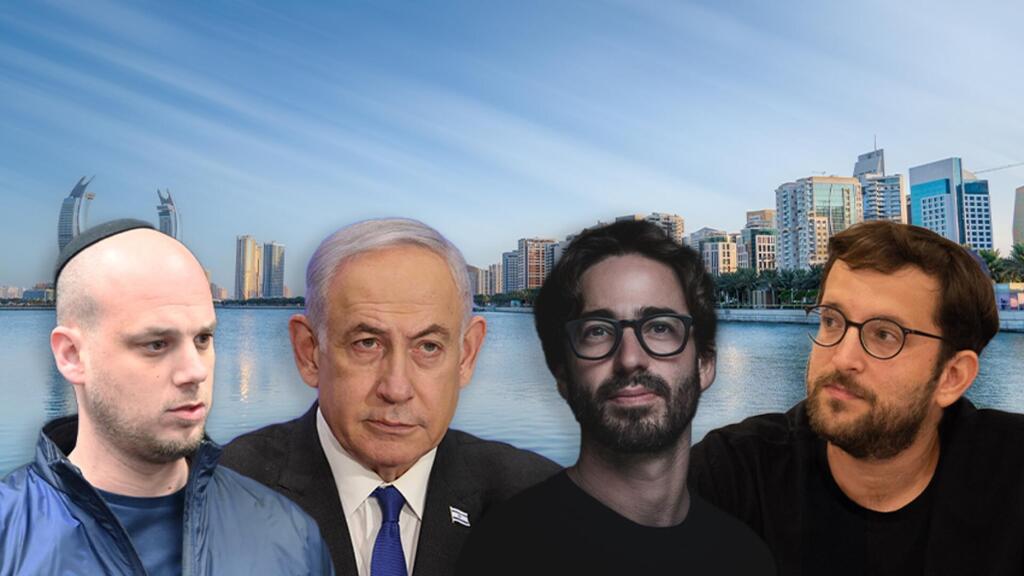
(Photo: SLSK Photography/Shutterstock, Alex Kolomoisky, Boaz Arad, Yoav Dudkevitz, Yair Sagi)
The prime minister’s military spokesman at the time, Eli Feldstein, connected journalists to an individual presented as a “senior Mossad official” or a “Mossad representative on the negotiation team.”
Even Feldstein did not know the person’s true identity—journalists only knew him by the nickname “Haj.” Journalists described him as highly knowledgeable, and the briefings left an impression consistent with Qatar’s messaging and critical coverage of Egypt.
Qatar’s ‘whitewashing network’
“Haj” is David Saig, a retired Mossad officer who previously served in the TEVEL division, overseeing Israel’s strategic intelligence ties with countries lacking diplomatic relations. Fluent in Arabic and with decades of experience, Saig had worked with Middle Eastern intelligence services, including Qatar’s.
After retiring, Saig founded a consulting firm and collaborated with former senior security officials on projects for Doha, forming a broad influence and public relations network sometimes called Qatar’s “whitewashing network.”

Sheikh Tamim ibn Hamad Al Thani
(Photo: Alex Brandon/AP)
Following October 7, when revelations emerged about a terrorist organization operating in luxury in Doha and Qatari funds reaching Gaza, Qatar’s ruling Al-Thani family sought to improve the country’s image. Investigators say Doha directed its pre-existing network, originally for the 2022 World Cup, to counter claims of supporting terrorism and mitigate reputational damage.
A senior Israeli intelligence official noted, “October 7 changed everything. Even if Qatar was not declared an enemy state and mediated between Israel and Hamas, extra caution was required. Officials receiving Qatari funds connecting someone on Doha’s payroll under official cover required oversight during wartime, when sensitive matters were at stake.”
Connections between Saig and Feldstein
After Saig’s arrest, investigators seized his phone, which contained conversations with Feldstein. Feldstein initially denied knowing Saig but later admitted familiarity with “Haj.” He confirmed that some negotiation details unfavorable to Netanyahu were published in the media. According to Feldstein, Srulik Einhorn suggested connecting journalists to Haj, presented as supporting Netanyahu. Feldstein said this occurred only a few times.
Einhorn offered a different account, saying lobbyist Jay Footlik requested Saig’s number be provided to Feldstein to present him as a security expert who could explain why Qatar was a better mediator than Egypt. Einhorn told investigators that the work with Footlik and Feldstein aimed to inform the Israeli public and was fact-based, with no connection to Jonatan Urich or the PM’s office.
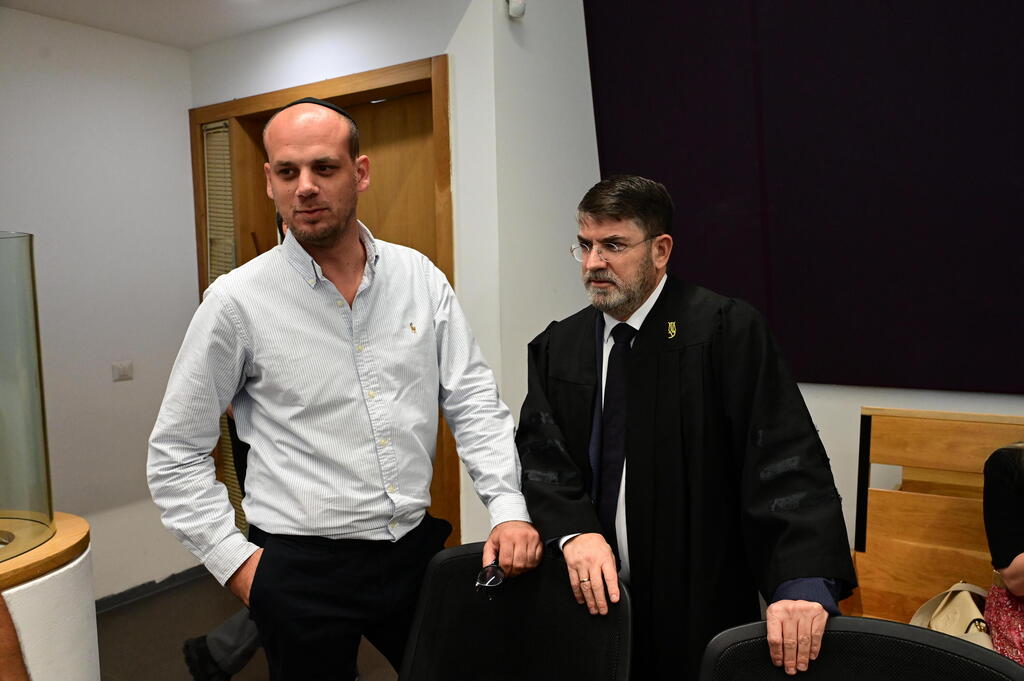
Eli Feldstein
(Photo: Yuval Chen)
A former senior Mossad official said he “never had any contact with Qatari representatives involved in mediation, only reporting the connection.” Journalists confirmed Feldstein connected them to a senior security official who briefed them critically on Egypt and, in some cases, Netanyahu himself. Einhorn maintained that this activity was outside the PM’s office and he bore no responsibility for journalists’ assumptions.
Mossad veterans in the campaign
Some former Mossad officers were mobilized into reserves after October 7, taking sensitive positions in Israel’s Shuan headquarters and handling intelligence and negotiations through Qatar.
Police and Shin Bet investigators suspect some officials did not inform Shuan leadership that they were also receiving Qatari funding to improve the country’s image. Investigators noted unusual correspondence between a former Mossad officer and Saig referencing Qatari intelligence, interpreted as a potential unauthorized connection to a foreign service.
‘The third senior official’ and Qatar’s image campaign
A former senior officer, “the third senior official,” was mobilized into Shuan’s intelligence unit during the war and managed the Light House project promoting Qatar. Under his supervision, Einhorn and KOIOSTech, run by Eli Ben Meir, deployed social media bots to amplify Qatar’s messaging.
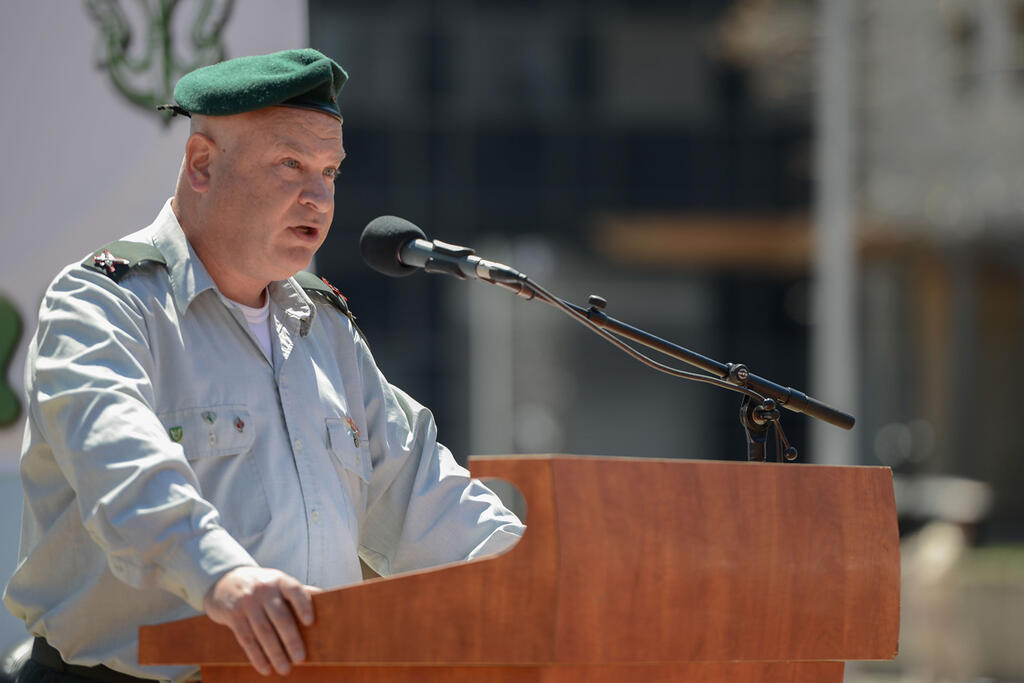
Eli Ben Meir
(Photo: IDF Spokesperson's Unit)
The project, starting around the 2022 World Cup and continuing through mid-2024, emphasized Qatar as a capable mediator but was not directly tied to hostage negotiations. Messages were relayed by Sheikh Thamer, Qatar’s representative. One task involved leveraging the Qatari emir’s visit to Germany in the second half of 2024.
The official said no conflict of interest existed, explaining that all Qatar contacts were managed by Mossad leadership and Shuan staff had no independent involvement. He confirmed he reported his Qatar ties when mobilized and ceased contact with Shuan after completing reserve service in January 2024.