

The Trump administration intends to again prevent Palestinian Authority President Mahmoud Abbas from traveling to New York to address the U.N. General Assembly next month, U.S. officials told ynet. It would be the second consecutive year that the United States has barred Abbas from entering the country to attend the General Assembly.
Abbas appealed to Turkish President Recep Tayyip Erdogan and asked him to intervene and persuade President Donald Trump to reverse the decision, a development first reported by The Times of Israel. Erdogan, whom Trump has frequently called a "good friend," spoke with him on Friday, but the administration does not intend to change its position. Abbas is scheduled to address the General Assembly on Sept. 24 and if he is not granted permission to enter the United States, he may be forced, as he was last year, to deliver his speech by video.
Abbas delivers his General Assembly speech via Zoom last year
(Footage: UN TV)


In response to a query from ynet, the State Department said, "The Trump administration protects the country and its citizens by maintaining the highest standards of national security and public safety in the visa process." It added that the United States had provided all U.N. member states with guidance and recommended timelines for submitting visa applications and that it "takes its obligations under the U.N. Headquarters Agreement seriously." However, U.S. law allows the secretary of state to impose restrictions or conditions on the movement in the United States of members of foreign delegations.
Meanwhile, a second round of voting was held on Friday as part of the process to select a new U.N. secretary-general to replace Antonio Guterres. Eight candidates are competing for the post: Rebecca Grynspan of Costa Rica, Carolyn Rodrigues-Birkett of Guyana, Rafael Grossi of Argentina, Michelle Bachelet of Chile, María Fernanda Espinosa of Ecuador, Makie Sall of Senegal, Olara Otunnu of Uganda and Ivonne Baki of Ecuador.
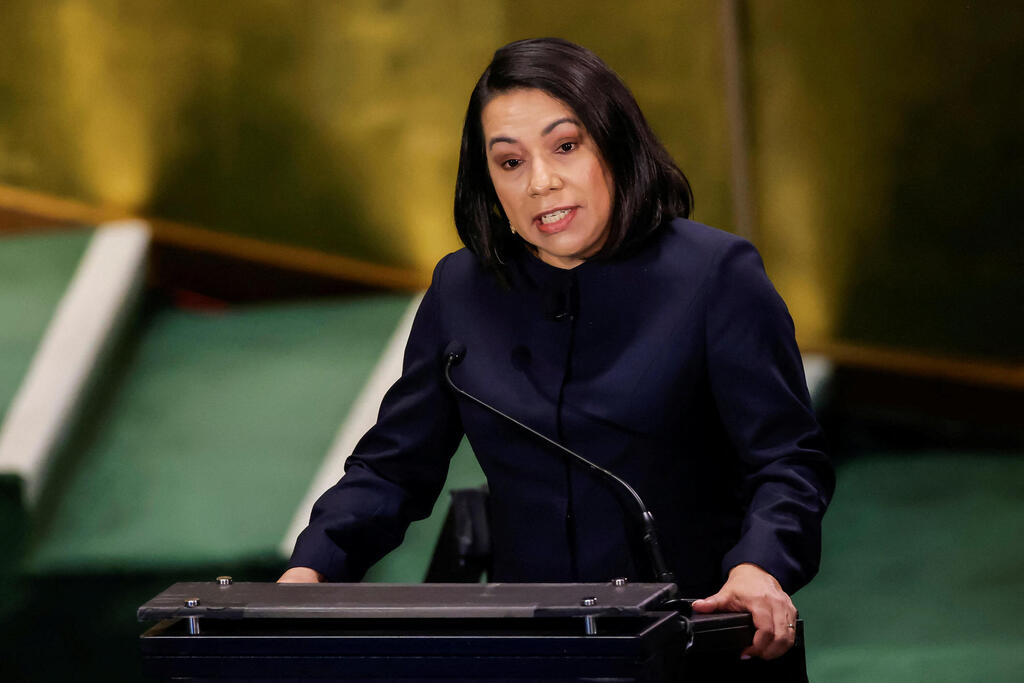
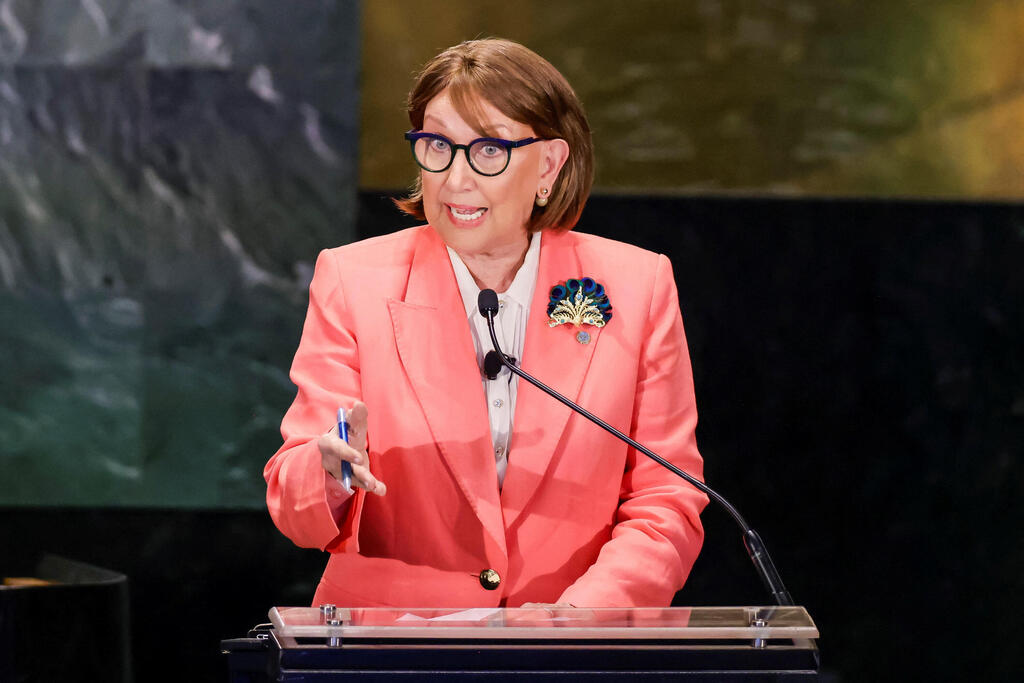
Rebecca Grynspan of Costa Rica
(Photo: REUTERS/Eduardo Munoz)
This was not a vote to elect the secretary-general, but rather a round designed to gauge the positions of the Security Council's 15 members toward the candidates. Each country is asked to indicate for each candidate whether it encourages their candidacy, opposes it or has no position. This allows the balance of support and opposition to be mapped and tracked as the race progresses.
In the previous round, held July 31, differences among the candidates had already emerged. Grynspan, who is Jewish, led with 10 votes in support and one against her candidacy, followed by Rodrigues-Birkett with nine in support and one against and Grossi with seven in support and one against.
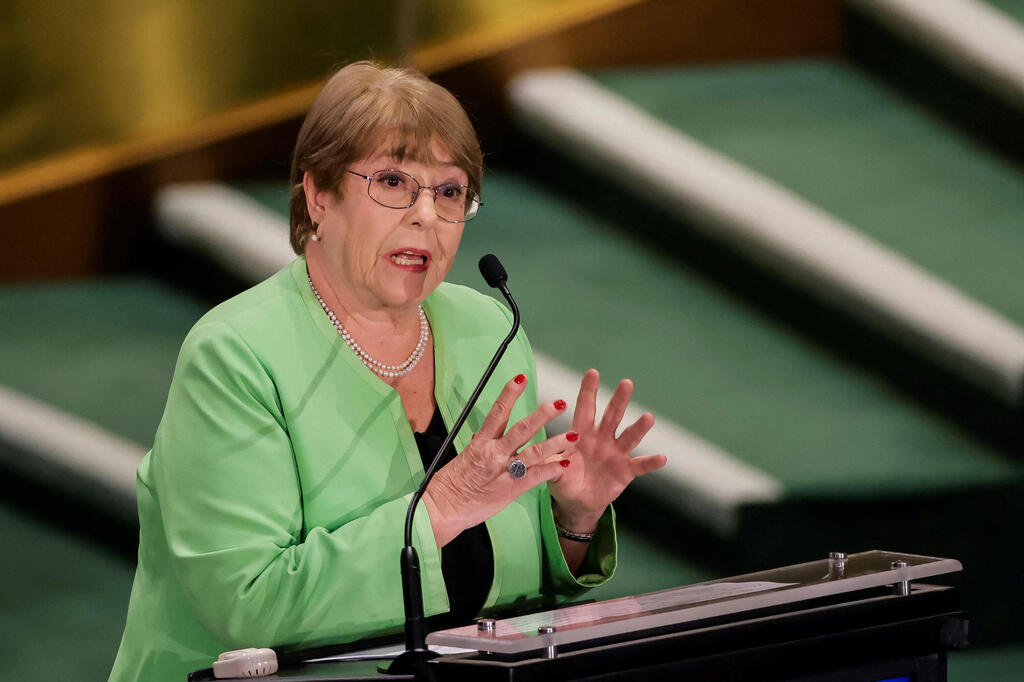
Michelle Bachelet, Chile's candidate for U.N. secretary-general, fell to the bottom
(Photo: REUTERS/Eduardo Munoz)
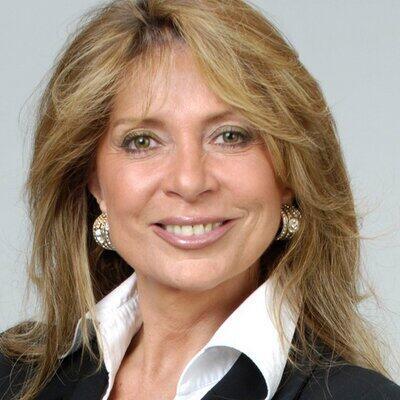
Ivonne Baki. Received no votes
This time, Grynspan lost ground, receiving seven votes in support and four against, while Rodrigues-Birkett, whom officials in Israel are seen as preferring not to be elected, rose to first place with eight votes in support and three against.
Grossi, Otunnu and Espinosa received more votes in support than opposition, while Bachelet — who during her tenure as U.N. high commissioner for human rights led a series of harsh criticisms of Israel — fell to the bottom with two votes in support and six against. Aki-Sawyerr, the latest candidate to enter the race, received no support from any country, compared with eight opposing her.
Israel's U.N. Ambassador Danny Danon said, "The selection of the next secretary-general is a test of the U.N.'s future. After years of bias, failure and loss of trust, the organization needs leadership that is willing to change the system rather than become absorbed by it. Israel will assess the candidates based on their record and their willingness to stand up to terrorism, antisemitism and hypocrisy. The next secretary-general must restore the credibility the U.N. has lost, not continue the failures that brought it to this point."
First published: 21:33, 08.21.26