

Russia’s invasion of Ukraine marks four years Tuesday, a war that was initially expected to be swift but has dragged on longer than Nazi Germany’s 1941 invasion of the Soviet Union. The conflict has exacted a heavy human toll, reshaped global geopolitics and imposed steep economic costs at home.
Russia has been mired for years in stagflation — a combination of high inflation and slowing growth. High unemployment, typically a feature of stagflation, has not materialized because of labor shortages driven in part by the war economy.
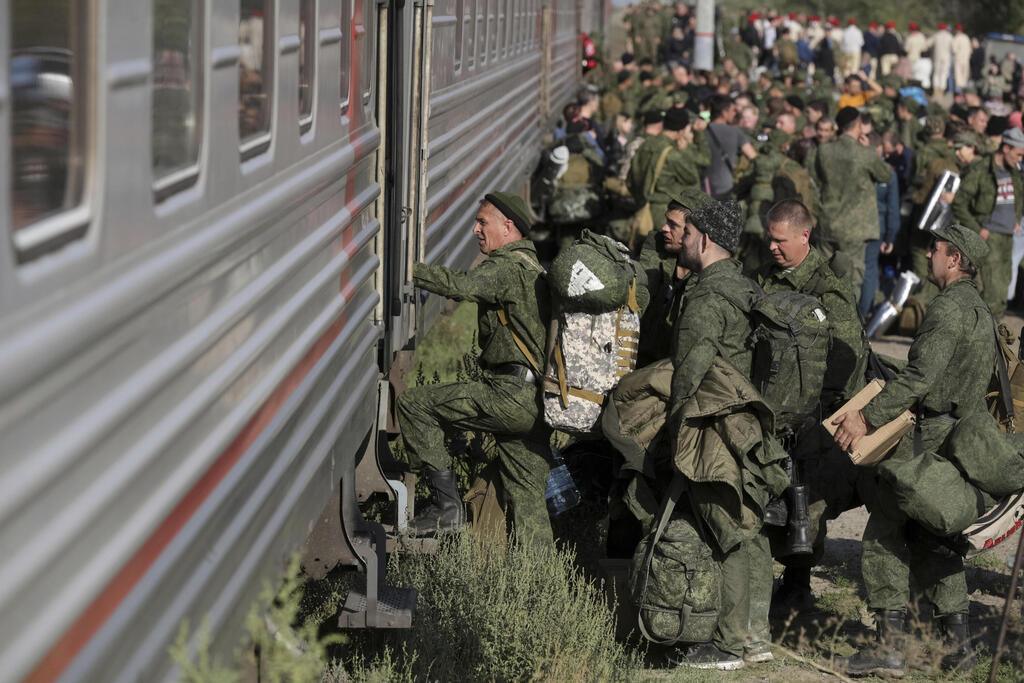
Sanctions and the demands of wartime production have led to sharply higher taxes, while rising energy bills and consumer prices have made it increasingly difficult for many households to afford basic goods. Business owners have been forced to raise prices despite shrinking customer bases.
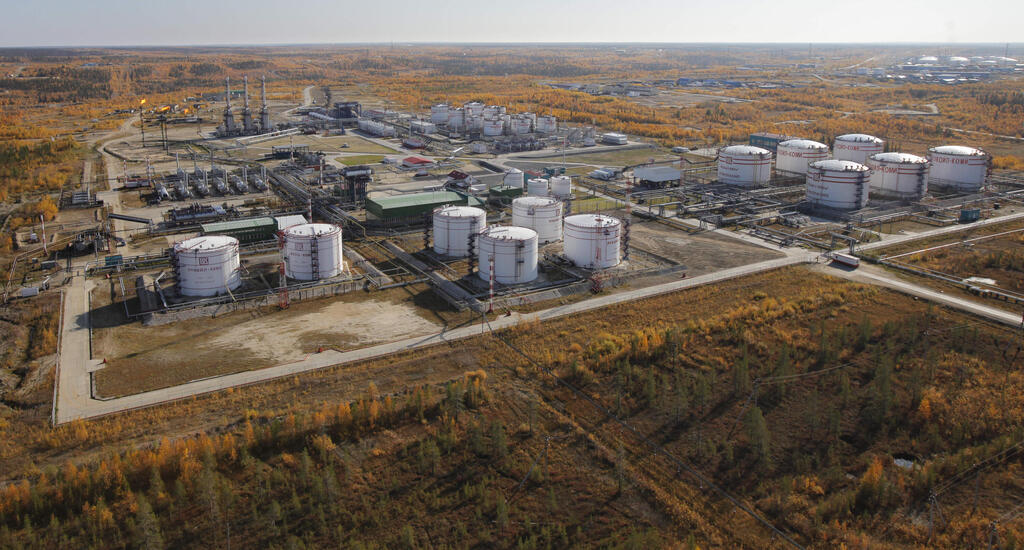
The paradox is evident in the energy sector, one of the main engines of Russia’s economy. At the start of the war, global oil and gas prices surged, and Russia earned about $1.25 billion a day from energy exports. Since then, markets have stabilized and revenues have fallen to about $600 million a day.
Slowing growth across Western economies has reduced demand for oil and gas, leaving Moscow with limited leverage to raise prices to subsidize the war. The invasion and the initial spike in energy prices contributed to a broader global slowdown — a development that was expected to benefit Russia but is now constraining President Vladimir Putin’s need for additional revenue.
Declining energy income has forced Russia to sell oil at an average of $35 a barrel, well below its target of $60. The shortfall has been passed on to citizens through a 2% increase in value-added tax, a 5% rise in corporate taxes for a second consecutive year and a shift from a flat tax system to a progressive one. The measures are expected to generate nearly $10 billion in additional revenue.
(Photo: AP)
The budget deficit for 2025 was initially estimated at $14.5 billion, but the year is believed to have ended with a shortfall nearly five times larger, about $73 billion.
More than 40% of Russia’s budget is now directed toward the war effort. The spending has fueled inflation and higher interest rates, dampening demand in key sectors such as housing construction and auto manufacturing, both major consumers of steel.
Major companies have been forced to scale back. Automaker AvtoVAZ, which produces Lada vehicles and employs about 30,000 workers, has shifted to a four-day workweek to reduce production in line with falling demand. Demand for domestically produced cars has dropped by nearly 25%, and annual vehicle production has fallen from about 3 million units to just over half a million last year.
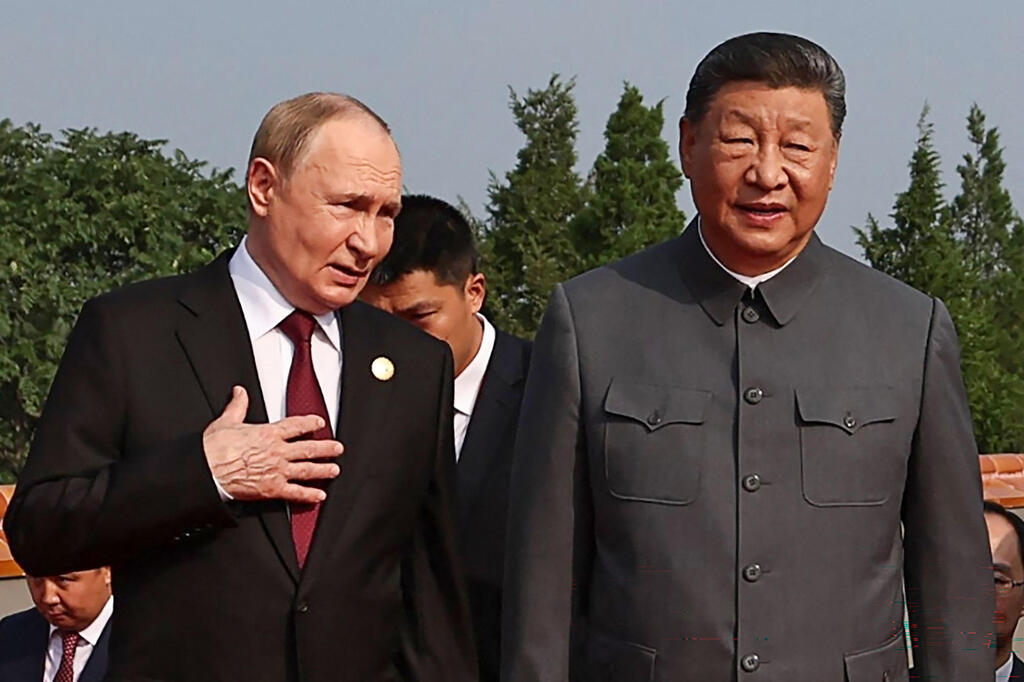
The auto sector also highlights the downside of deepening economic ties with China. Chinese carmakers have expanded their market share in Russia, offering more competitive prices and benefiting from the absence of Western-style sanctions, which allows them to source components more cheaply. High inflation and rising interest rates have further reduced the attractiveness of auto financing for Russian consumers.
(Photo: Alexander KAZAKOV / POOL / AFP)
The metals sector is also under strain. Steel exports have been curtailed by sanctions, and domestic demand has weakened. Dozens of coal mining companies, accounting for more than 15% of Russia’s coal output, have declared bankruptcy, while dozens more face severe financial difficulties. The coal industry posted losses of more than $3 billion last year.
Other industries are surviving on state support as they navigate growing debt and rising borrowing costs, including the United Aircraft Corporation, which is tasked with reviving Russia’s civilian aviation industry.
The war has also reached Russian territory. Ukrainian drone strikes have targeted oil refineries and other infrastructure, particularly in areas near the front lines.
Despite mounting economic pressure, widespread protests appear unlikely. Much of the economic pain has been felt in sectors seen as more pro-Western, while those aligned with the Kremlin and workers tied to the war economy have benefited from significant wage increases over the past two years.
For Putin, improving the economic outlook would require scaling back the war effort. But cutting military spending appears unlikely, raising the prospect that further reductions in social services could be used to sustain the conflict.