

A petition for certification of a class-action lawsuit totaling more than $1 billion has been filed in the Tel Aviv District Court. The suit, brought by victims of the October 7 Hamas massacre, their families, and users of Facebook and Instagram, targets Meta—parent company of both platforms—accusing it of facilitating and amplifying the attack through its services.
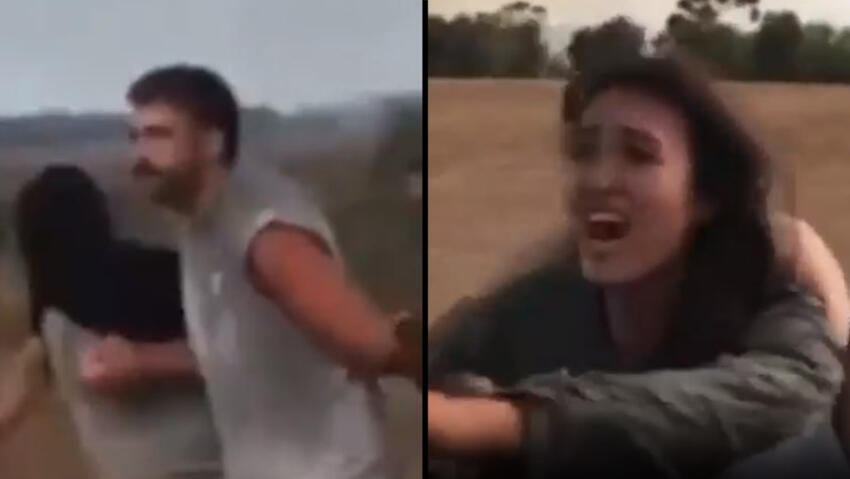
The filing was submitted by attorneys Galit Karner, Asaf Shovinsky, Chen Shomeret, Karin Buaron, and Inbar Hasson from the law firms G. Karner and Matri, Meiri, Wacht. It is the first civil case of its kind in Israel to seek damages from a private company for harm inflicted on a nation by a foreign terrorist group.
The legal foundation: livestreamed atrocities on Facebook
The case was initiated by the Idan family of Kibbutz Nahal Oz. Their eldest daughter, Maayan, was murdered by Hamas terrorists who stormed their home, held the family hostage for hours, and livestreamed the ordeal— including Maayan’s killing—on Facebook.
Other plaintiffs include Stav Arava, who learned through Facebook that his relatives were being held captive, and his brother Tomer Arava-Eliaz, who was coerced at gunpoint—on camera—to persuade neighbors to open their doors to the terrorists. Mor Beider watched in real time as her grandmother was murdered in a broadcast. A mother learned of her daughter’s abduction through a live Instagram video. Another woman and her 14-year-old daughter inadvertently logged into Facebook and Instagram on October 7 and were exposed to the livestreamed attacks.
According to the lawsuit, “The horrific footage distributed by Facebook and Instagram on October 7 trampled the petitioners’ rights in the most harrowing way imaginable. These scenes of brutality, humiliation, and terror are permanently etched into the memories of the victims’ families and the Israeli public as the final moments of their loved ones’ lives.”
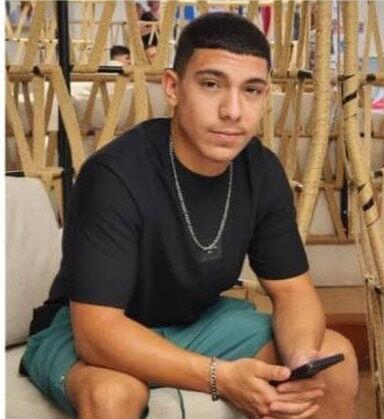
Tomer Arava Eliaz
The plaintiffs argue that Meta not only failed to block the content—but continues to allow it to circulate. “Each day that Meta permits this footage to remain online, the trauma is renewed. Facebook and Instagram functioned—and still function—as an inseparable component of Hamas’ terror infrastructure.”
Millions of users, including minors, were involuntarily exposed to the content. “Facebook and Instagram violated the privacy of the victims, and continue to do so, by enabling the distribution of terror content for profit. This represents grave harm to the dignity and psychological well-being of platform users—especially youth—who were exposed to raw acts of terror amplified by Meta’s systems.”
“The terrorists demanded my phone”
Gali Idan, widow of Tsachi Idan—who was abducted from their home in Nahal Oz and later executed in Hamas captivity—and mother of Maayan, who was killed during the attack, recounted the morning of October 7: “We heard glass shattering, footsteps on broken shards, and Arabic voices in our home. Tsachi braced himself against the safe room door, trying to prevent their entry. The terrorists had forced our neighbor, the teen Tomer Arava-Eliaz, at gunpoint to call out and convince us to open. When that failed, they tried to break in themselves. Tsachi held them back while I protected our children.”
Get the Ynetnews app on your smartphone: Google Play: https://bit.ly/4eJ37pE | Apple App Store: https://bit.ly/3ZL7iNv
“Tsachi kept the door mostly closed until they forced it ajar. Maayan jumped to help. Then I heard the gunshots. I was still shielding our younger kids—Shahar and Yael. Tsachi shouted, ‘Who’s hurt?’ and I saw Maayan lying in a pool of blood. Tsachi knelt over her, pleading for help. I reached out and felt her head. She had been shot. I knew instantly that we’d lost her.”
“At gunpoint, the terrorists pulled us into the living room and turned our home into a Hamas command post. Fighters came and went, other hostages were brought in and out, RPGs and rifle fire were launched from our balcony. They took my phone and accessed my Facebook account. Despite my strict privacy settings, they navigated the platform with ease and made everything public.”
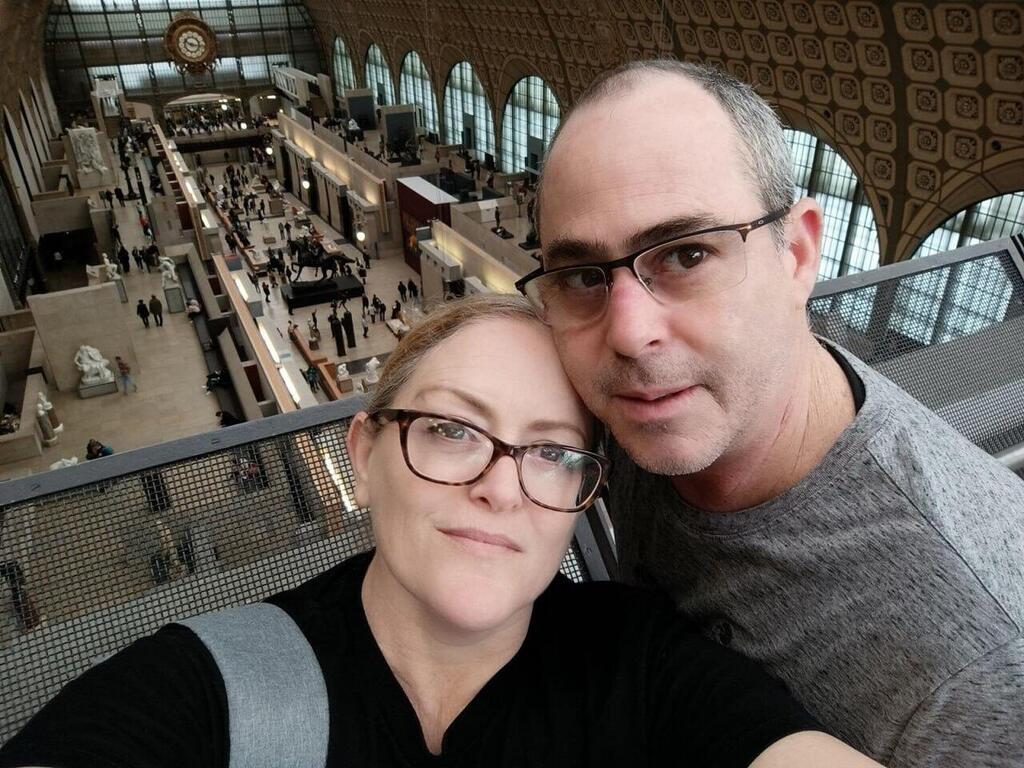
The Idan family
(Photo: Courtesy of the family)
“From that moment, they livestreamed us—Tsachi, myself, and our traumatized children—during the most broken, degrading, terrifying moments of our lives. The broadcast was visible to the entire world. That’s how my extended family learned we had been captured and that Maayan had been killed. They held us for hours, filming constantly. It was clear the livestreaming was part of their operational plan—propaganda aimed at spreading fear. They filmed Maayan’s murder, our desperation, our children’s trauma, and forced Tsachi to speak into the camera. All of it was broadcast.”
Idan concluded: “Facebook and Instagram enabled the livestreaming of a brutal terror attack. They allowed the world to watch hostages pleading for their lives, a teenage girl’s execution, a family’s torment—and they did not stop it. And worse, Meta still allows the footage to circulate. Our privacy and humanity were destroyed on October 7—and Meta continues to profit from it. They are complicit in the infrastructure of terror.”