


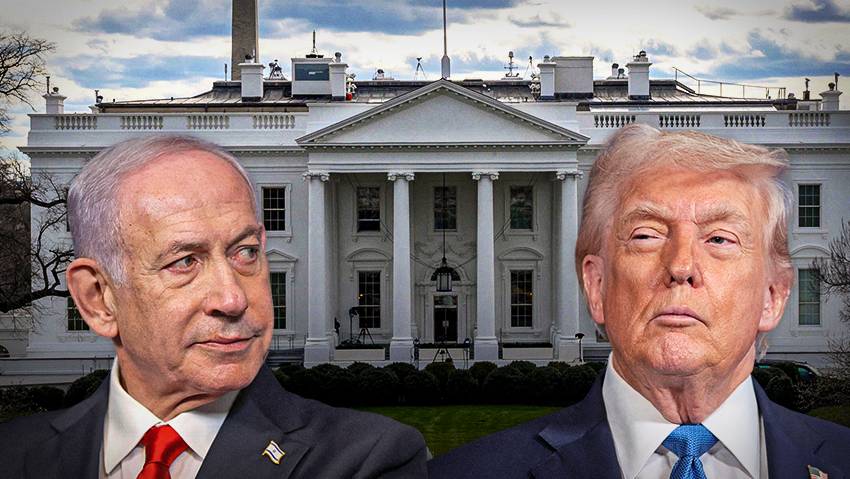
Prime Minister Benjamin Netanyahu’s office is pushing to arrange a meeting with U.S. President Donald Trump as early as this week, but Trump’s participation in the NATO summit in Turkey may delay the meeting until immediately afterward or even next week.
If it takes place, it would be the eighth meeting between the two leaders since Trump returned to the White House. For Netanyahu, the timing is critical. The meeting is meant to repair trust that has eroded since the war with Iran, present Israel’s position before renewed U.S.-Iran negotiations and restore coordination with Washington after a period of growing suspicion toward the prime minister inside Trump’s orbit.
The last meeting between Netanyahu and Trump was held on February 11 in the White House Situation Room and later proved pivotal. Netanyahu is said to have persuaded Trump there to enter the second Iran war, known in Israel as Operation Lion’s Roar and by the Pentagon as Operation Epic Fury. During that meeting, Netanyahu presented Israel’s plans for weakening or toppling the Iranian regime, plans that senior U.S. administration officials reportedly viewed as unrealistic and insufficiently developed.
One of Netanyahu’s main reasons for seeking a quick meeting now is to rebuild confidence after the Iran war. Around Trump, there have been growing claims that Netanyahu’s assessments turned out to be wrong. The concern in Israel is that Trump blames Netanyahu for the war’s failure.
Israeli officials argue, however, that the Mossad plans presented to Trump did not envision the regime collapsing within days or even during the war itself. According to Israel’s position, the plan was built around developments in the months after the fighting, dependent on a series of steps that officials say Trump ultimately did not implement, chief among them using Kurdish opposition forces to try to undermine the ayatollahs’ regime.
A second reason for the meeting is Israel’s desire to put its intelligence on the table before Washington and Tehran resume negotiations on a permanent agreement. At his most recent press conference, Netanyahu said he would soon send a delegation to Washington to present Israel’s position ahead of the talks, which have been postponed until the end of funeral ceremonies for Supreme Leader Ali Khamenei, who was killed in the opening strike of Operation Roaring Lion.
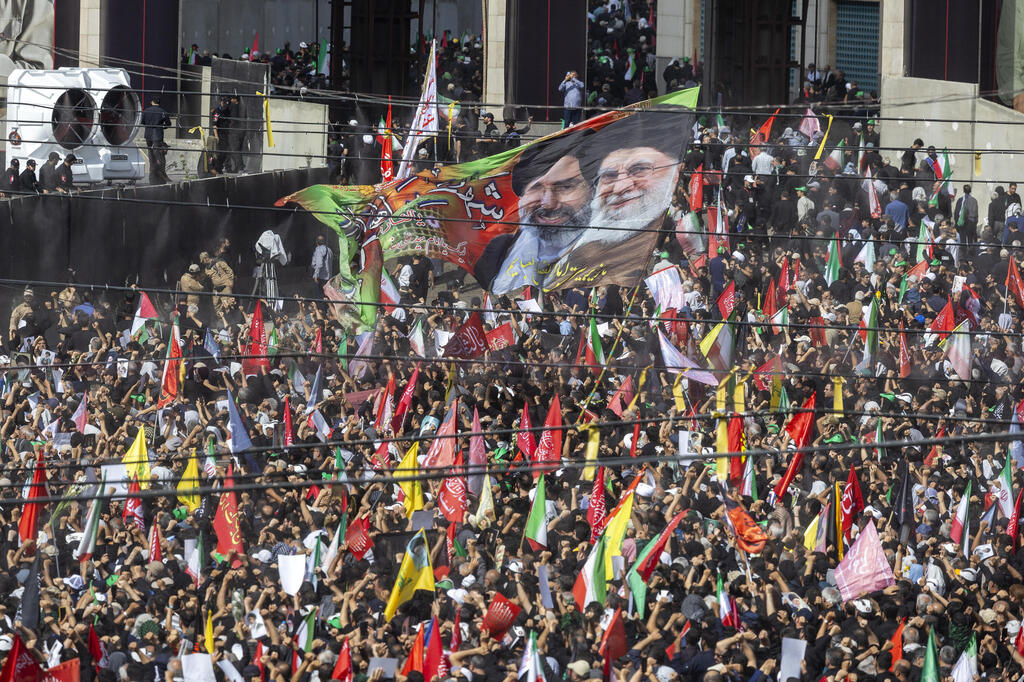
Funeral ceremonies for Supreme Leader Ali Khamenei
(Photo: Majid Saeedi/Getty Images)
Israel wants the United States to insist on more than reducing Iran’s enriched uranium stockpile. Jerusalem is pressing Washington to demand that enriched uranium be removed from Iranian territory altogether. Israel also wants to prevent Iran from retaining any right to enrich uranium, an issue on which officials believe the Americans have softened.
Netanyahu is also expected to remind the administration that any agreement must address Iran’s ballistic missile threat and its support for regional proxies.
Netanyahu is also expected to seek understandings with Trump on two other fronts: Lebanon and Gaza. On Lebanon, Israel wants to push back against pressure to withdraw from the security zone it holds near the border, arguing that the area is needed to keep Hezbollah threats away from northern communities.
On Gaza, Netanyahu wants to ensure that reconstruction does not begin without the Strip’s demilitarization and the dismantling of Hamas. Israeli officials argue that Washington is preventing Israel from disarming Hamas through a broad military operation while continuing contacts with the group, even though Israel believes Hamas will not agree to give up its weapons voluntarily.
Syria and Turkey are also expected to be on the agenda. Netanyahu is expected to raise Israel’s strong opposition to any move to equip Turkey with F-35 fighter jets, citing what Israeli officials describe as Ankara’s problematic conduct. On Syria, the Americans want to see a renewal of negotiations between Israel and Damascus, another issue likely to come up in the talks.
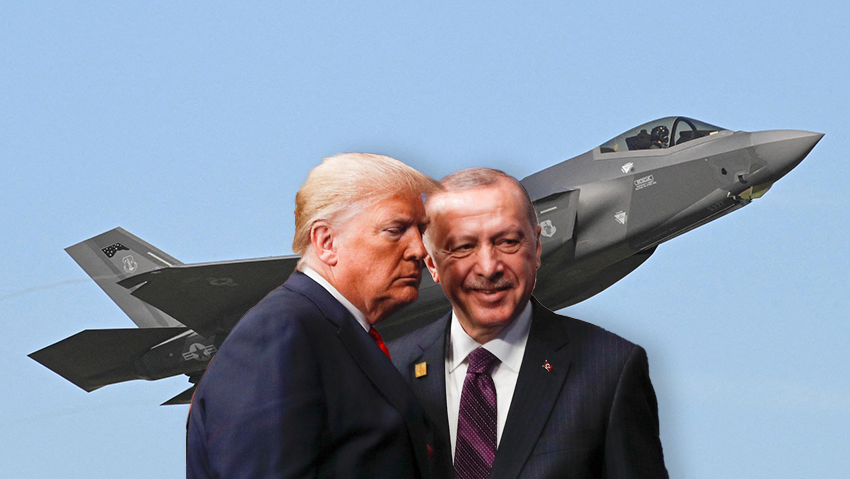
(Photo: REUTERS/Jana Rodenbusch, רויטרס)
Another subject Netanyahu wants to advance is normalization with Arab states. At his press conference, he said he was working on agreements with additional countries after the agreement with Lebanon’s government. That issue is expected to come up in any meeting with Trump.
The leaders are also likely to discuss contacts over a new security memorandum of understanding. Under such an arrangement, Israel may no longer receive traditional U.S. military aid and could instead move toward a model based on defense cooperation, with Israel contributing its own value in advanced security technologies rather than expecting financial assistance from “Uncle Sam.”
Netanyahu is taking a risk. If Trump humiliates him in a public meeting, it could damage his election campaign. But Netanyahu appears to be betting that he can still harness Trump’s support ahead of the coming vote.
Trump, for his part, is closely watching Israel’s political map. The White House is regularly receiving updated polling from Israel, and Trump is unlikely to bet on a leader he sees as a loser. If he concludes that Netanyahu cannot win the election, he could distance himself from him. Even beyond the question of public support, Netanyahu wants to ensure that Israel’s positions and red lines are heard before the U.S.-Iran negotiations begin.
In Israel, officials believe the chances of a permanent U.S.-Iran agreement are very low. They expect the talks to collapse and believe that only in November will a new window open for another possible strike on Iran. For that reason, Israeli officials say it is important for Israel and the United States to remain as coordinated as possible in case the negotiations fail.
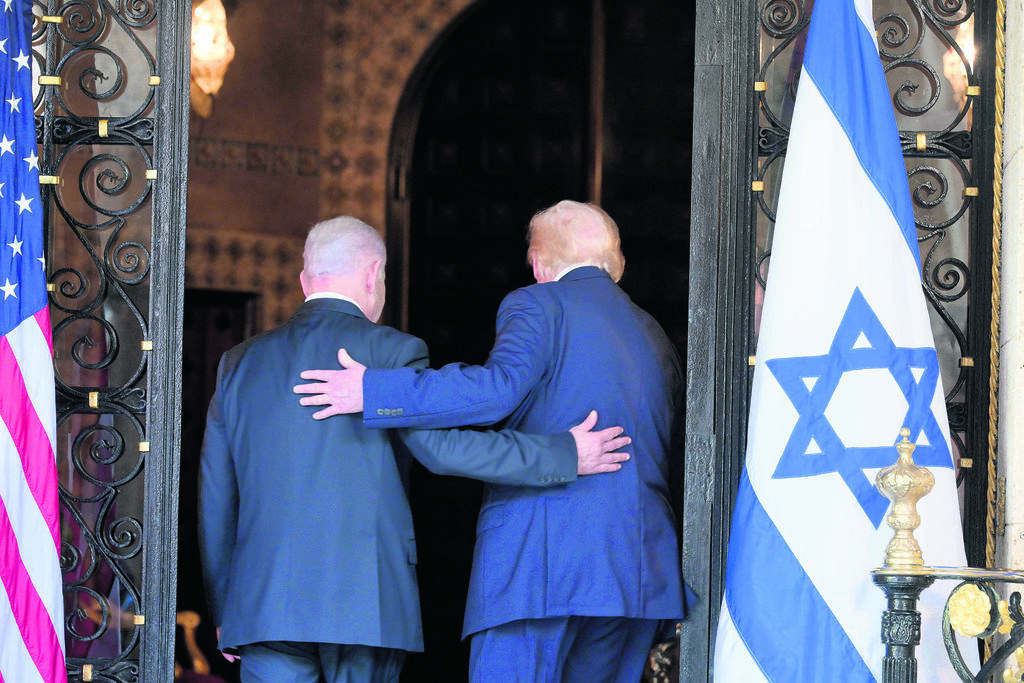
(Photo: GPO)
Netanyahu’s problem is that he needs to win back Trump’s trust. Israeli officials say some figures around the president are working against Netanyahu, especially countries mediating between the United States and Iran, including Qatar, Pakistan and Egypt. In any case, Netanyahu faces a significant challenge: the White House now views him with considerable suspicion.
Trump told Axios that Netanyahu had asked to meet him at the White House and that the meeting could take place as soon as next week, after he returns from the NATO summit.
“We get along great. Netanyahu knows who’s the boss,” Trump said in a brief phone interview, referring to himself.
The Prime Minister’s Office said Netanyahu spoke with Trump on Friday evening to congratulate him on the 250th Independence Day of the United States.
But people close to Trump have grown increasingly skeptical and disappointed with Netanyahu in the months since their February meeting. “Many of Trump’s closest advisers think Bibi was wrong about almost everything,” one U.S. official said.