


Nearly a year after a ceasefire between Israel and Hezbollah took effect, the Lebanese army on Friday hosted a rare media tour of a tunnel it said was used by the terrorist group, showcasing what it described as the first phase of a broader effort to dismantle Hezbollah’s military infrastructure south of the Litani River.
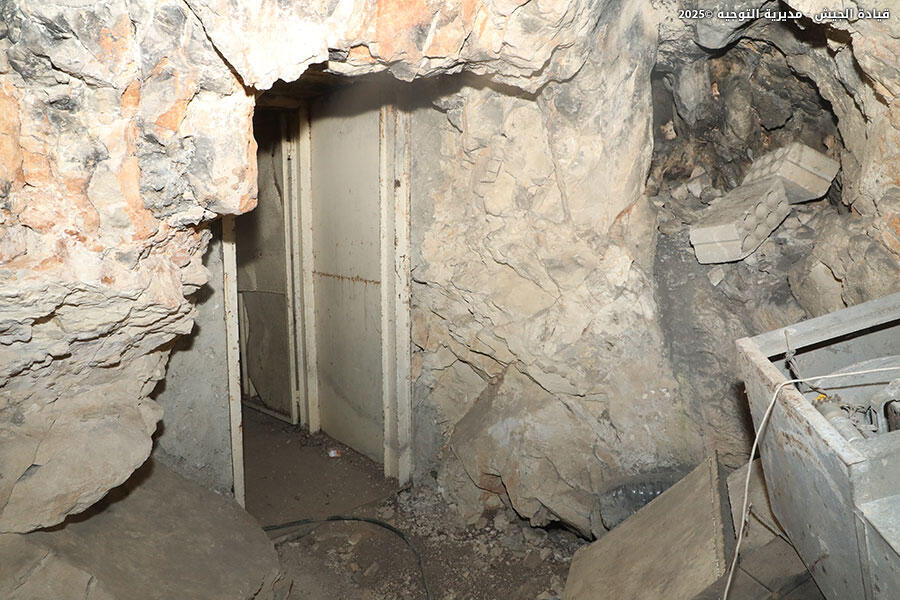
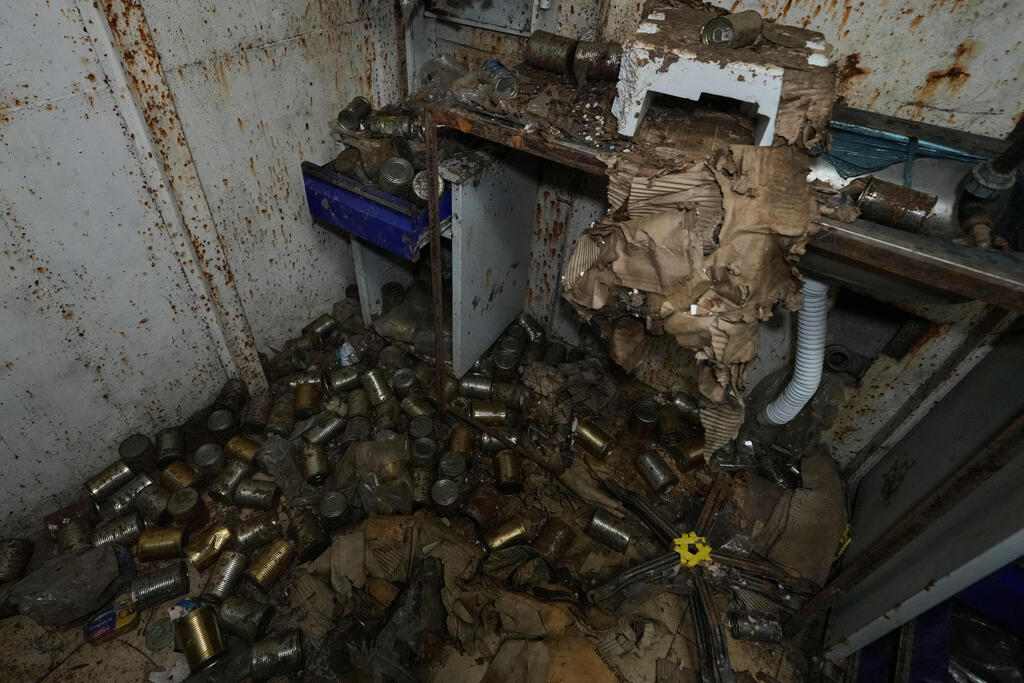
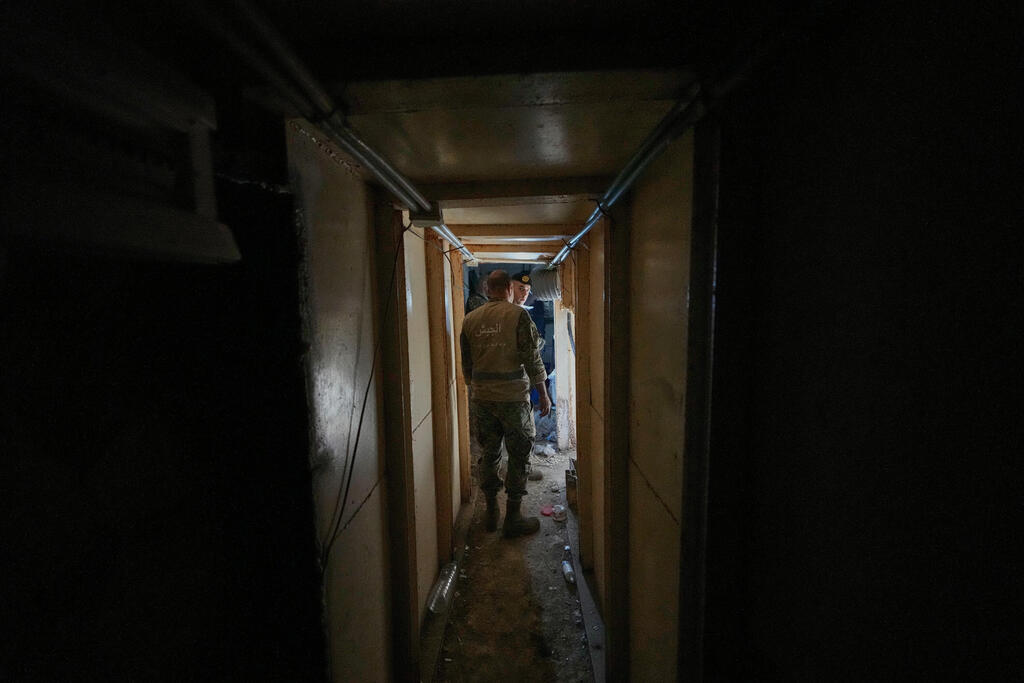
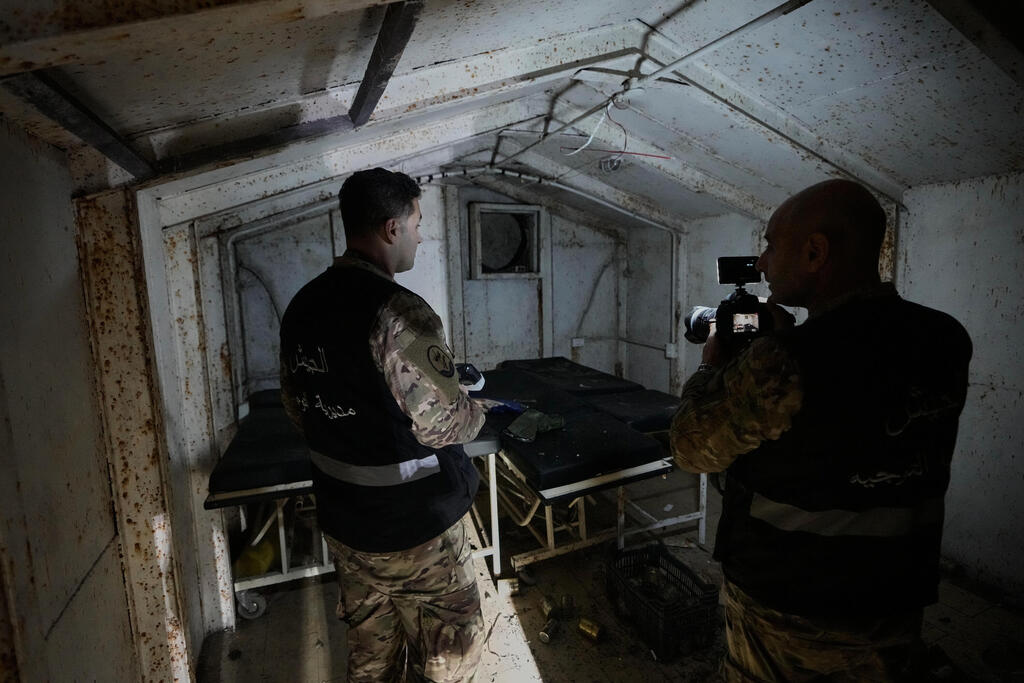
The tour, announced via the army’s official X account, included a visit to a 100-meter (328-foot) underground passage that, according to the Lebanese military, had been operated by Hezbollah as both a kitchen and a field hospital.
Lebanese army unveils Hezbollah tunnel in rare media tour


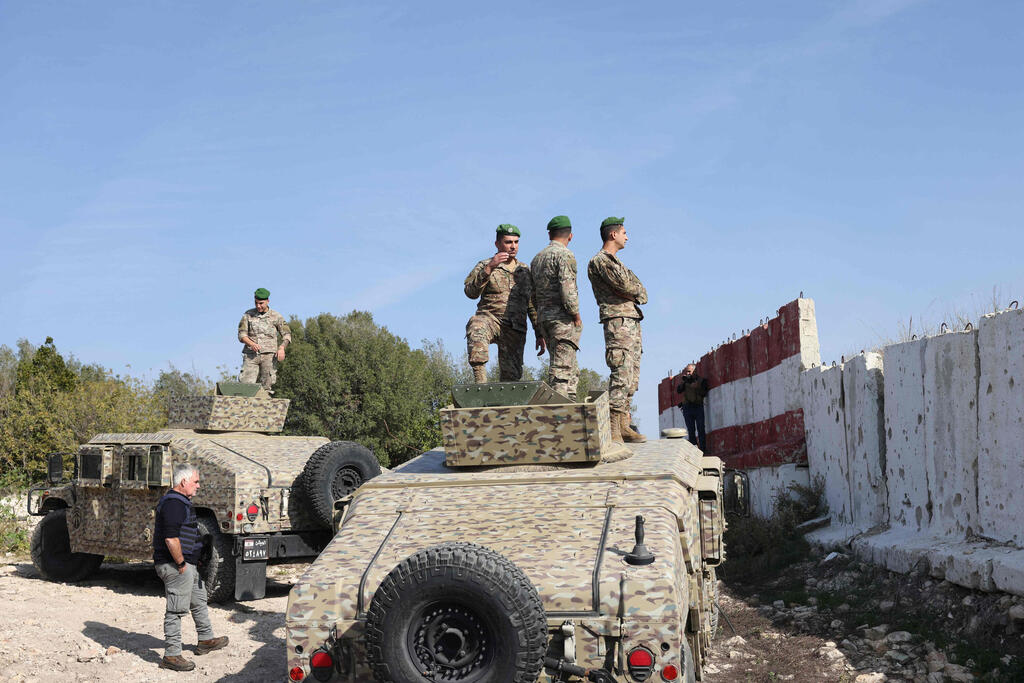
Journalists were accompanied by senior Lebanese army officers, who provided a detailed briefing at the command center for the southern Litani sector. The briefing outlined steps taken in the campaign to neutralize Hezbollah's armed presence in the region. These included the closure of cross-border passages, the seizure of weapons and ammunition and efforts to neutralize tunnels dug by the Iranian-backed group.
The army said it had also reinforced its troop deployments across the area, "despite the difficulties and challenges facing the military system."
(Photo: AP Photo/Bilal Hussein)
The statement added that the tour also addressed "ongoing Israeli violations and incursions" into Lebanese territory—a routine complaint lodged by Beirut amid ongoing tensions along the border.
Army officials emphasized their commitment to carrying out all assigned missions and implementing the plan according to a set timeline, although few specifics were offered on future phases or international oversight.
(Photo: AP Photo/Bilal Hussein)
(Photo: AP Photo/Bilal Hussein)
The Saudi television network Al Arabiya, reporting from inside the tunnel toured by journalists, described “rooms and passageways carved into the rock, as well as what appeared to be a kitchen and a clinic.” The tunnel, according to the report, was equipped with lighting and a ventilation system and was located roughly 40 minutes from the main road.
Al Arabiya also noted that the visiting journalists observed “dozens of plastic water bottles and food cans scattered around, mattresses spread across several rooms and green coats hanging on the walls.” The report said the tunnel was “one of dozens” that the Lebanese army has raided and seized since the ceasefire with Israel.
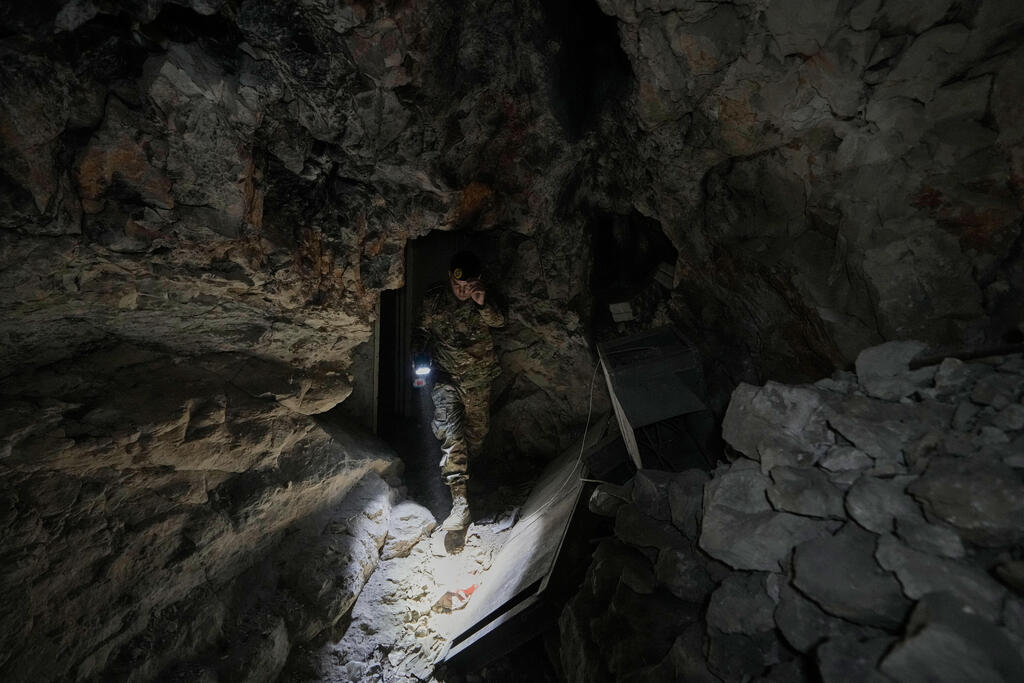
(Photo: AP Photo/Bilal Hussein)
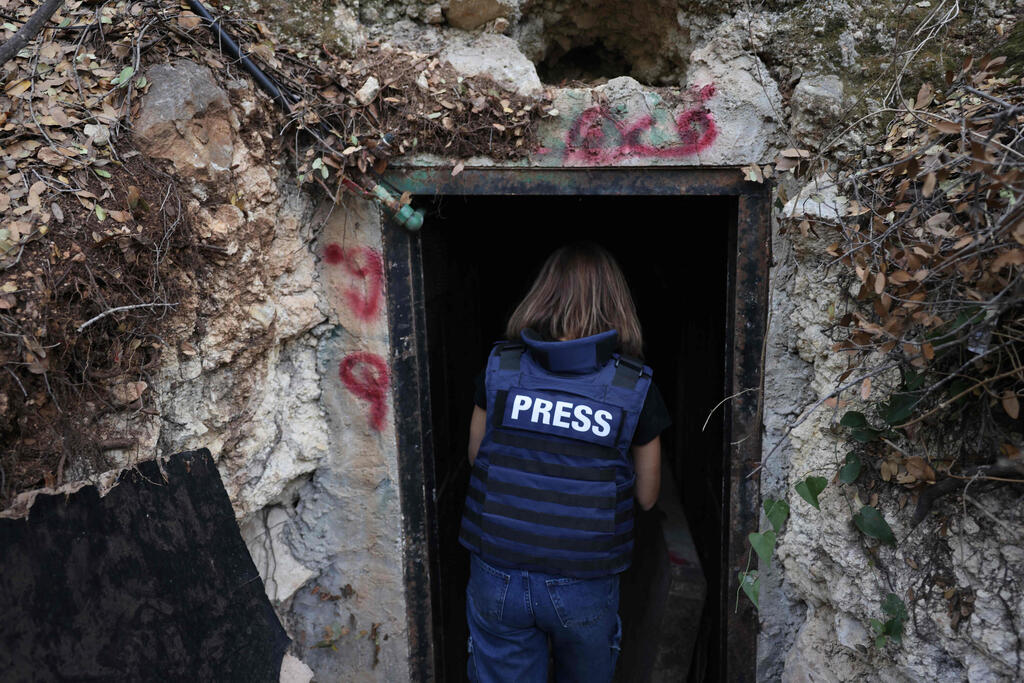
(Photo: Anwar AMRO / AFP)
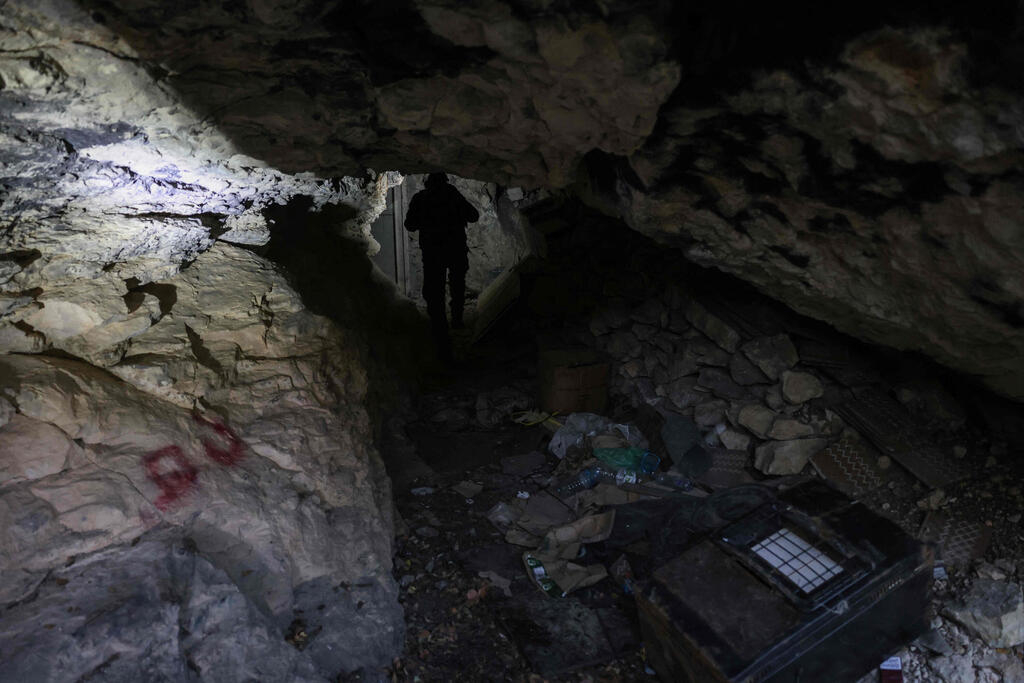
(Photo: Anwar AMRO / AFP)
U.S. Ambassador to Lebanon Lisa Johnson told Lebanon’s MTV network that “the Lebanese army has significantly expanded its deployment in the south and has already begun dismantling Hezbollah’s military infrastructure. It must complete the disarmament process across all of Lebanon’s territory, in accordance with the government’s decision to fully restore its sovereignty.”
She added that “negotiations between Lebanon and Israel are essential for stable peace, and both sides are willing to participate in U.S.-mediated talks when the conditions are right. American support continues with the goal of strengthening the army and security forces’ ability to implement the state’s decision to restrict weapons. Lebanese sovereignty depends on a single national army operating across all of Lebanon.”
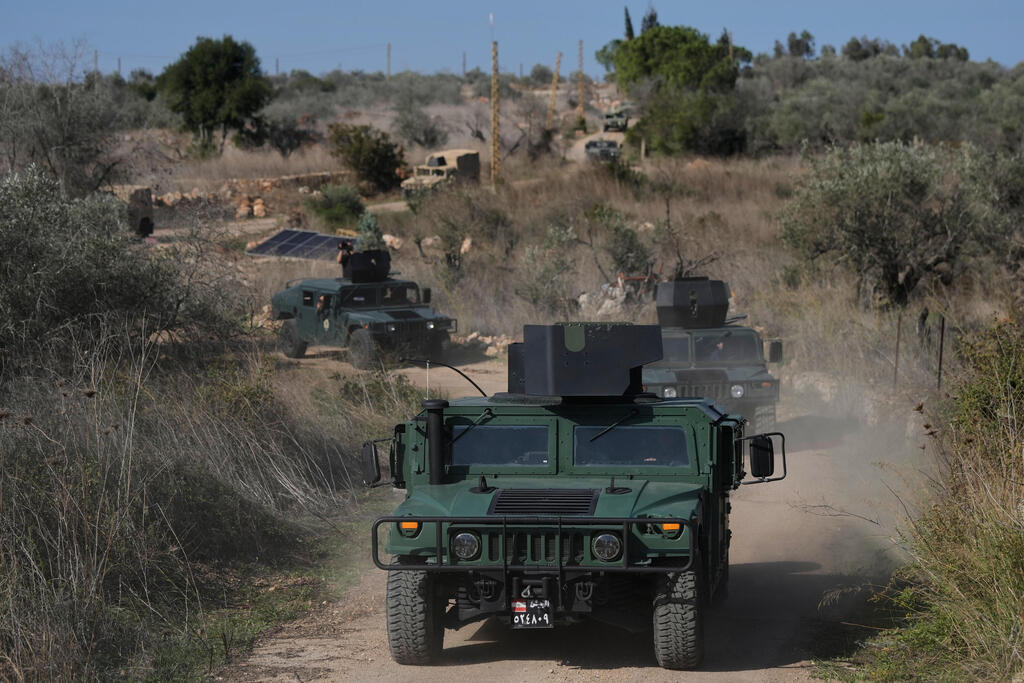
(Photo: AP Photo/Bilal Hussein)
(Photo: Anwar AMRO / AFP)
Earlier this year, the Lebanese military reportedly entered a large underground facility previously revealed by Hezbollah during the war, featuring tunnels wide enough for trucks. The complex, dubbed “Imad 4” by Hezbollah in an August presentation last year, was shown to be equipped with computers, lighting and dimensions allowing motorcycle access. Al Arabiya cited sources at the time saying the military had entered the site in southern Lebanon, but it had been cleared of heavy equipment beforehand.
A Hezbollah video released last year showed an extensive, illuminated underground maze, complete with retractable missile launch platforms. The Al Mayadeen network, affiliated with Hezbollah, reported that “the footage highlights the secrecy surrounding Hezbollah’s missile capabilities. The facility lies deep underground, out of reach of hostile intelligence, and offers protection from enemy strikes.”
The Imad 4 tunnel network revealed in a Hezbollah propaganda video
Hezbollah is believed to operate a strategic tunneling project, including large underground bases across Lebanon and combat tunnels in the south. During the war and Israel’s ground operations in Lebanon, the IDF uncovered numerous tunnels and underground infrastructure used by Hezbollah to store weapons, logistical equipment and to house fighters for extended periods.