


A preliminary alert was activated overnight between Tuesday and Wednesday in communities in the Galilee Panhandle, the first such warning triggered by fire from Lebanon during the current “ceasefire” and fighting with Hezbollah, which has become a tense routine across the north.
Less than a minute later, sirens sounded in Kiryat Shmona and surrounding communities. The IDF said a rocket launched from Lebanon exploded in an open area. No injuries were reported.
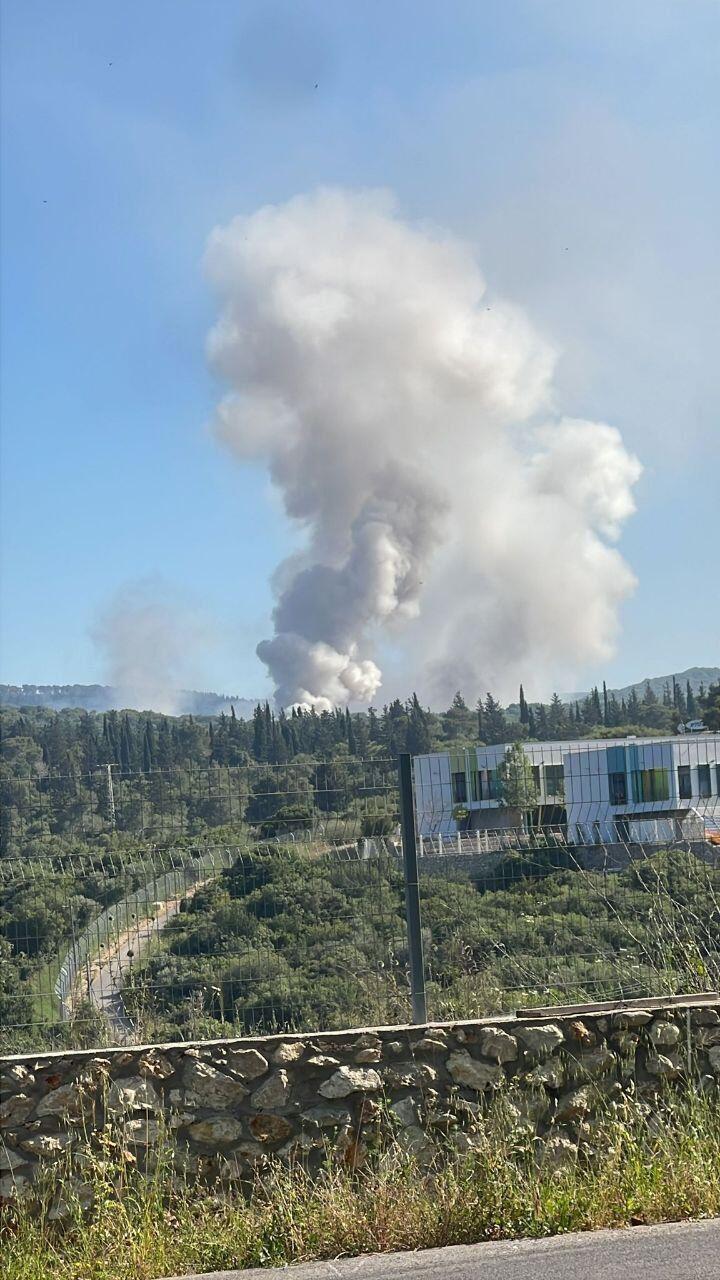
Rocket falls in Western Galilee
Footage from Moshav Shomera on Tuesday showed members of the local emergency response team running after a drone with their weapons drawn, a scene that appeared to capture the reality now facing residents of the confrontation line: a tense routine, shifting instructions, constant fear from the sky and a growing sense that the security situation has become a permanent reality no one is rushing to change.
Home Front Command said Tuesday it would begin issuing preliminary instructions for rocket and missile fire from Lebanon when operational conditions allow, as it did overnight.
“Out of a deep commitment to civilian security and improving the ability to defend, we have completed a professional process intended to provide preliminary instructions also for fire from Lebanese territory,” said Maj. Gen. Shai Klapper, commander of Home Front Command. “The goal of the move is to give the public additional preparation time before receiving an alert.”
According to Home Front Command, the preliminary warning is distributed through its app, its personal message platform, the national emergency portal and its Telegram channels. The warning time for threats from Lebanon will be relatively short and will vary according to distance from the launch site: only a few seconds before an alert in communities along the confrontation line, up to one minute in the northern region and up to two minutes elsewhere in the country.
Weapons drawn, northern security team races after Hezbollah drone


Meanwhile, schools were not reopened Wednesday morning in communities along the confrontation line, under a decision made before the tense night. On paper, the area is classified as “yellow,” allowing an emergency routine and classes near protected spaces. In practice, because some institutions lack adequate shelter and transportation from communities near the border has been suspended, many students will remain home again, leaving thousands of parents unable to go to work.
On Monday night, Home Front Command published its new defense guidelines only close to midnight, after long hours of tension and concern among parents. The instructions followed a meeting earlier that day between heads of northern municipalities and Northern Command chief Maj. Gen. Rafi Milo, during which local leaders were told an “intense night” was expected and that Israel was likely to respond to fire from Lebanon.
But by Tuesday morning, tens of thousands of residents woke up after a night that was relatively quiet compared with previous ones. Many said the promises of an immediate change in the security reality had not materialized.