


On paper, the policy is classified as “yellow,” allowing an emergency routine and learning close to protected spaces. In practice, due to a lack of adequate shelter in some institutions and the suspension of transportation from communities near the border, many students will remain at home again and thousands of parents will not be able to go to work.
In footage from moshav Shomera on Tuesday, members of the local emergency response unit were seen running after a drone with their weapons drawn. The video perhaps illustrates more than anything the reality in which residents of the confrontation line have been living in recent days: a tense routine, shifting instructions, constant fear in the sky and a sense that the security situation has become a permanent reality that no one is in a hurry to change.
Members of the moshav Shomera emergency response unit are running after a drone with their weapons drawn


Last night, Home Front Command published the new defense guidelines only close to midnight, after long hours of tension and concern among parents. This came against the backdrop of a meeting earlier in the day between heads of northern municipalities and Northern Command chief Major General Rafi Milo, during which they were told a “intense night” was expected and that Israel was likely to respond to fire from Lebanon. However, this morning tens of thousands of residents woke up after a relatively quiet night compared to previous ones and many felt that promises of an immediate change in the security reality had not materialized.
In communities near the border, schools and some kindergartens will also be shut on Wednesday, as many institutions do not in practice meet the requirement to operate near protected spaces. “This is Israeli-style trickery, like everything here,” said Eyal, a resident of Kiryat Shmona. He added, “To avoid paying compensation and shutting down work they tell us it is possible to study, but only near protected spaces. Because there are not enough of those in schools, in practice learning cannot take place and they are shut.”
Gallery
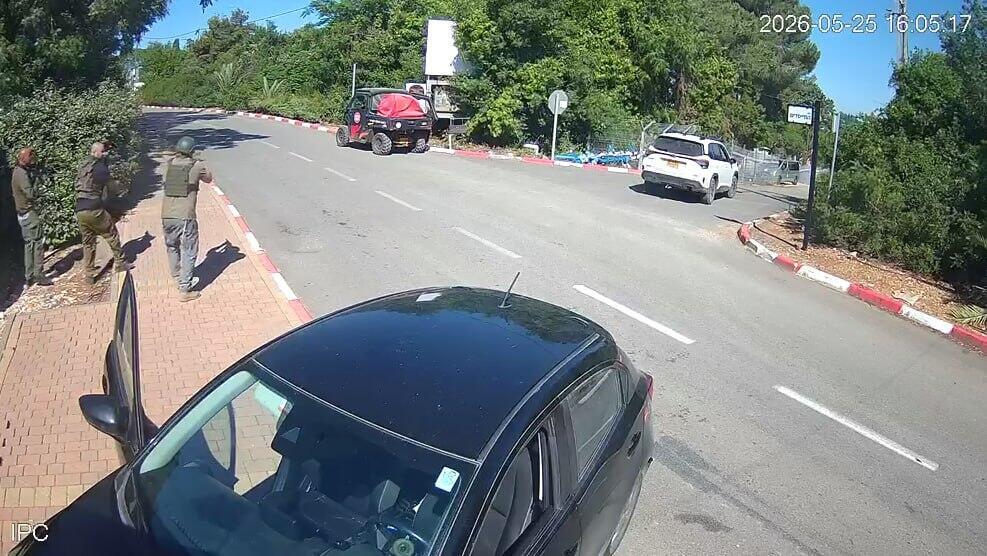
Members of the moshav Shomera emergency response unit are running after a drone with their weapons drawn
An example of this is seen in the Western Galilee within the Mateh Asher Regional Council. According to Home Front Command guidelines, studies can take place in the regional middle and high school “Sulam Tzur” in kibbutz Gesher HaZiv. However, only some students will be able to reach it, mainly those who do not live in communities close to the border or those whose parents can drive them themselves. Other students, from communities without transportation, will stay at home.
In kibbutz Lohamei HaGeta'ot near Acre, parents have decided to take a solidarity step on Wednesday morning and not cooperate with what they describe as a discriminatory reality. They will also not send their children to educational frameworks. “This is an unbearable reality and we are not willing to take part in normalizing the situation here,” said Einat Elhadad, a member of the kibbutz education committee. “We must show solidarity with those who cannot get to school. Once you separate between children, it only proves how little the Home Front Command understands the scale of the event. They create a situation as if only a small group of children is affected and everyone else does not care. Maybe when they understand that a wider public is not willing to accept this situation, they will stop treating us as if we are a leaf blown in the wind in the periphery.”
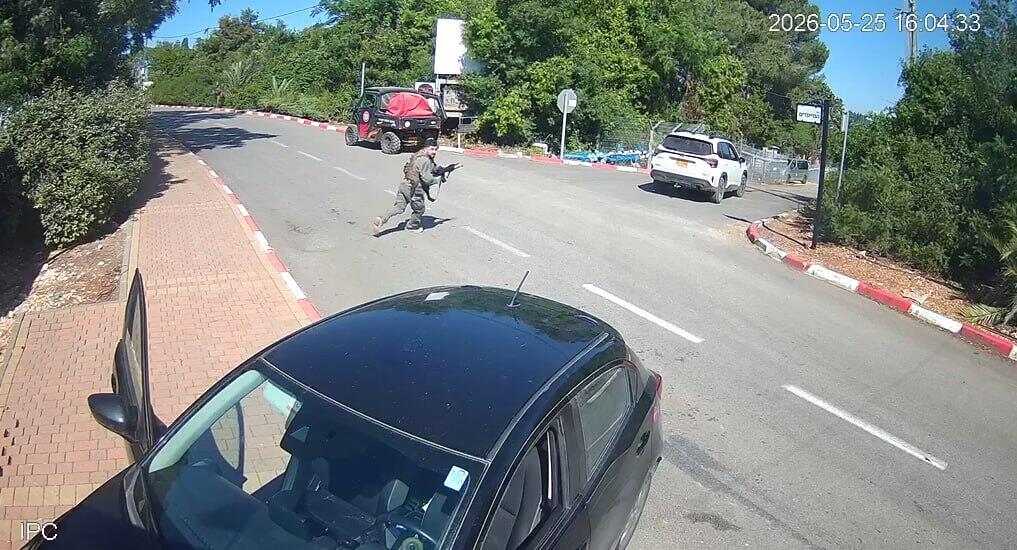
Members of the moshav Shomera emergency response unit are running after a drone with their weapons drawn
In Kiryat Shmona, tires and barbed wire barriers have recently been piling up in the city hall square. The city leadership has not officially explained what the equipment is for, although it is well known to residents from decades of protests over the city’s security and development. City sources told ynet and Yedioth Ahronoth that the municipality is planning severe protest measures demanding a change in the security reality and an end to what they describe as attempts to “normalize” the situation. Among other steps, blocking city entrances with burning tires and barbed wire is being considered, in a demand to declare Kiryat Shmona a “closed military zone.”
At the same time, it appears that residents are waiting to see whether the promises they received from military officials, Prime Minister Benjamin Netanyahu and cabinet members, according to which the IDF will be allowed to strike back and change the reality against Hezbollah, will be translated into action on the ground.
In the meantime, under the northern “ceasefire war” routine, the Galilee Medical Center in Nahariya is encountering almost daily casualties from the invisible campaign. Just last night, 20 soldiers injured by a drone strike arrived at the emergency room suffering from blast injuries, shrapnel wounds and ringing in the ears. They were discharged in the morning after receiving medical treatment and were listed in mild condition.
“In recent weeks the fighting here has intensified and almost every two days injured soldiers arrive here, some in very serious condition,” said Dr. Tsvi Sheleg, deputy director of the Galilee Medical Center. As of this evening, five drone strike casualties are hospitalized, including one civilian seriously injured in a drone incident in Rosh Hanikra. “The injuries we see from this type of weapon are very severe,” Sheleg added. “These are shrapnel and blast injuries and sometimes multi-system trauma. The entire system is mobilized to save lives in a determined struggle and unfortunately with extensive trauma experience we have accumulated as a front-line hospital.”
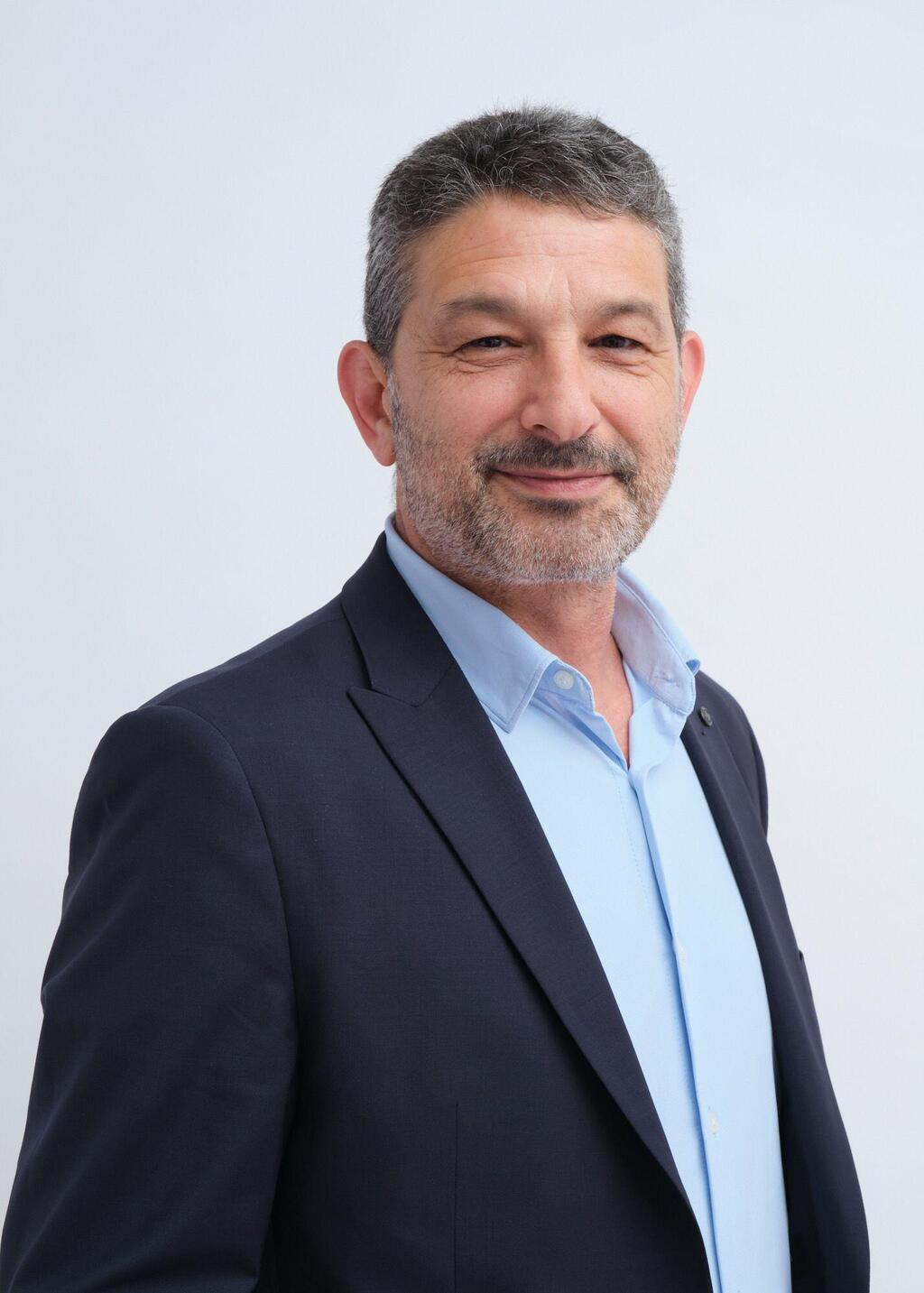
Dr. Tsvi Sheleg. 'We know how to move the hospital underground within a few hours'
(Photo: Galilee Medical Center)
Today, the hospital held a preparedness and update meeting in anticipation of the possibility that the campaign will expand and teams will again need to move patients and inpatient wards underground. About a month ago, following the sudden ceasefire announcement by U.S. President Donald Trump, hospital staff moved all inpatient departments above ground within a day. For about half of the past three years, the hospital has operated in protected spaces, conditions that are naturally far from comfortable for patients and staff.
According to Dr. Sheleg, the hospital is not currently in exceptional emergency readiness but is prepared for rapid change. “We are monitoring changes in Home Front Command instructions in the confrontation line and understand that the situation here can change at any moment,” he said. “We know how to move the hospital within a few hours. If we are required to go underground, we will do it immediately. Unfortunately, we have gained a lot of experience in this.”