

A sectarian boycott campaign against Syria’s Alawite minority is spreading across social media, exposing one of the most dangerous fault lines in the country’s attempt to rebuild after the fall of Bashar Assad’s regime in December 2024.
The campaign, promoted under the slogan “I am not a tree,” calls on Syrians to avoid renting homes to Alawites, hiring Alawite workers, marrying members of the community, receiving treatment from Alawite doctors or dentists, and shopping at Alawite-owned businesses.
The Alawites are a religious minority in Syria. Assad’s family belongs to the community, and many of the former regime’s senior military and security figures came from Alawite backgrounds. That link has made the community a target of anger among some Syrians who associate it with the Assad regime’s crimes, even though critics of the campaign warn that it amounts to collective punishment of an entire minority.
The campaign’s name has also become part of the debate. Lebanese newspaper Al-Akhbar, which is affiliated with Hezbollah, wrote Wednesday that the slogan appears to draw on the saying, “If you don’t like where you are, move. You are not a tree.” Others argued that boycotting an entire Syrian minority is like uprooting part of the roots of Syrian society itself, and that a tree cannot willingly cut off its own roots.
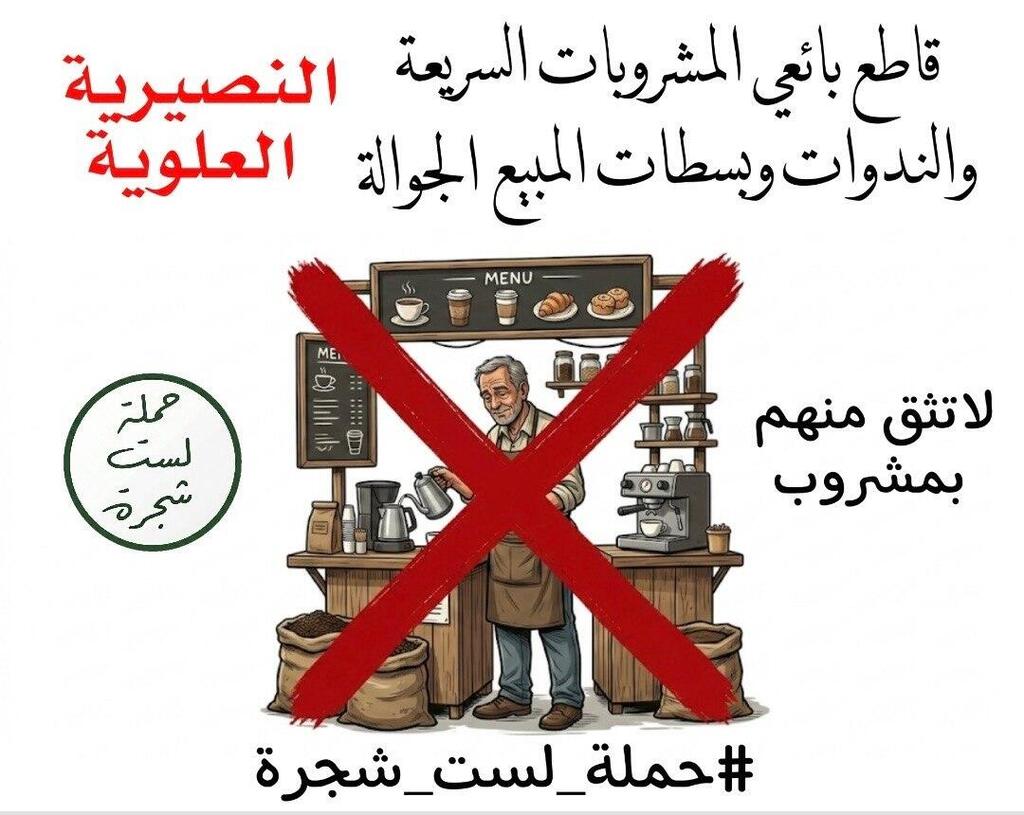
Do not buy from Alawites, from the boycott campaign
The latest wave of incitement follows the publication of findings in one of Syria’s most notorious disappearance cases. In March 2013, dentist Rania al-Abbasi disappeared with members of her family into Assad regime detention centers. The former regime never revealed what happened to them, either to their relatives or to the United Nations. On May 30, Syria’s National Authority for the Missing said an investigation had confirmed the deaths of Rania’s six children.
According to Syria’s Interior Ministry, a former Assad officer named Amjad Youssef was involved in the family’s killing. Youssef, who was arrested by the new authorities on April 24, was also responsible for the 2013 Tadamon massacre in Damascus.
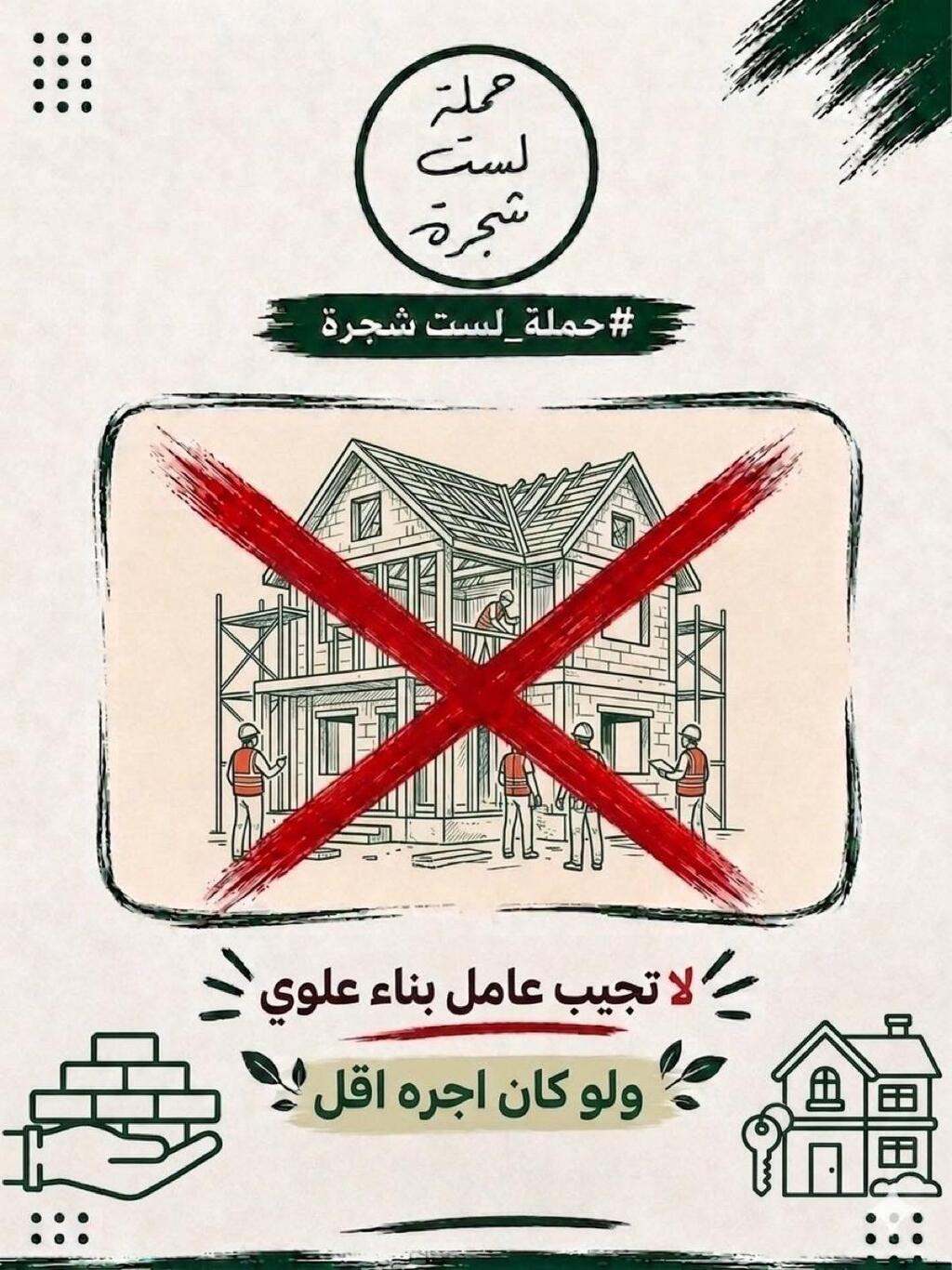
The campaign calls for a boycott of Alawite workers
Syrian reports said anger over the case helped fuel the current anti-Alawite campaign. But opponents say the campaign uses the crimes of former regime loyalists as justification for targeting Alawites as a whole, deepening Syria’s sectarian divisions at a time when the country is already struggling with violence against minorities.
Pages promoting the boycott have opened on Facebook, X and TikTok. One Facebook page has more than 4,500 followers and describes the campaign as a “nonviolent popular boycott against the criminals and their supporters from Syria’s minorities.” On Wednesday, the page published a clarification saying the campaign was directed at “criminals and those who provided them shelter,” not “against a specific sect or minority.”

קריאות לחרם על העלווים בסוריה
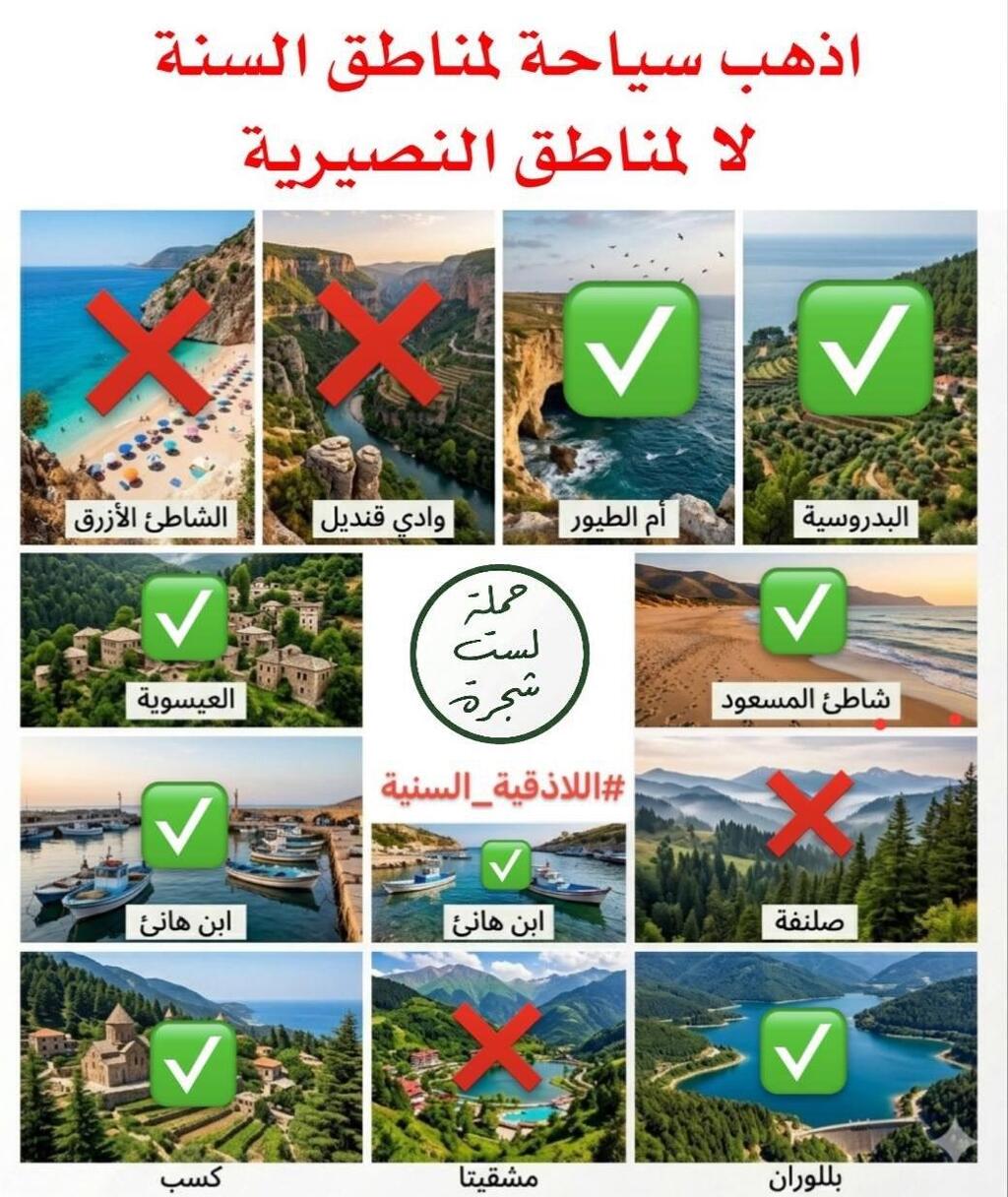
Despite that clarification, many of the anonymous posts are openly sectarian. One warned Syrians not to visit tourist sites on the coast that it claimed were linked to “remnants of the former regime.” The same coastal region was the scene of massacres against Alawites in March 2025. Another post warned: “Do not trust any of their barbers.” A separate post said: “Do not trust any of their dentists.”
According to Arab media reports, the campaign has also prompted a counter-campaign under the slogan “I am a tree,” aimed at pushing back against the incitement. Qatari newspaper Al-Araby Al-Jadeed quoted a doctor named Zain Mahna from Jableh, a coastal city, who said blaming all Alawites for Assad-era crimes was comparable to blaming all Sunnis for the crimes of ISIS. He said the campaign serves only those who do not want Syria to stabilize.
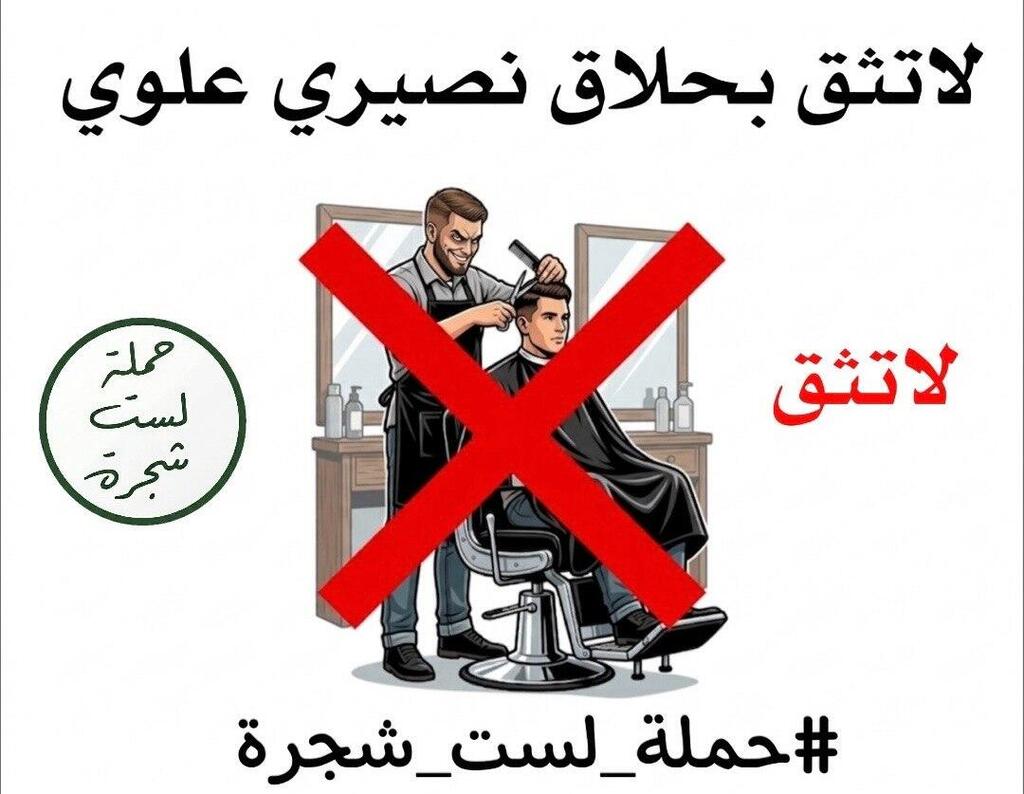
Alawite barbers also targeted
One social media user wrote against the boycott: “I am a tree because I have roots the winds cannot uproot, a memory that time cannot erase, and a land that knows me and that I know. I have history, stories and memory. The tree is origin, belonging and stability.”
The Syrian Observatory for Human Rights reported Tuesday that Syrian human rights activists and political figures had expressed deep concern over sectarian incitement, including organized campaigns targeting groups in Syrian society on the basis of sectarian, religious or social identity.
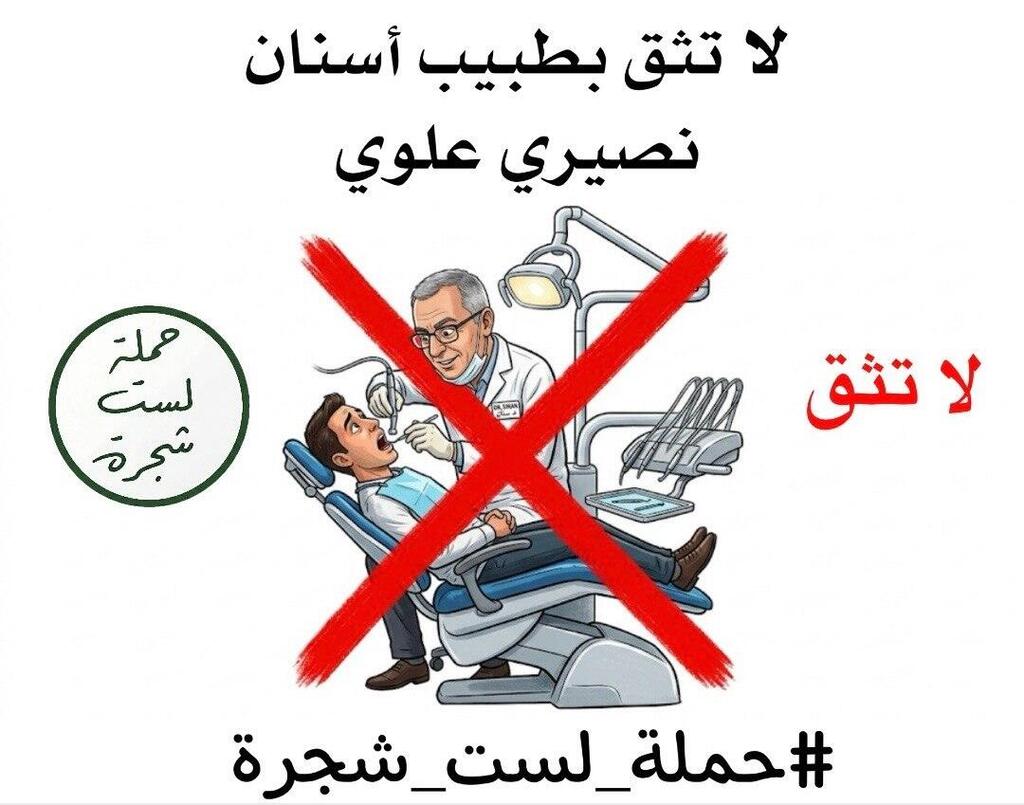
'Do not trust an Alawite dentist,' from the boycott campaign
The activists said the current discourse has gone beyond political disagreement and has escalated into calls for exclusion, discrimination and denial of basic rights to work, education and housing. Syria’s future, they said, “cannot be built on hatred or collective punishment.” Justice, they argued, must come through fair legal proceedings against those responsible for crimes, not through the targeting of entire communities.