


With the recovery of the last captive, Sergeant First Class Ran Gvili, in Operation Brave Heart in eastern Gaza City, the final obstacle to reopening the Rafah Crossing has been removed, clearing the way for continued implementation of U.S. President Donald Trump’s 20-point plan for Gaza.
Senior officials in the so-called Board of Peace said Monday that in recent days there had been a genuine and sincere effort by all sides, including Hamas, to achieve the outcome. “It’s 100 out of 100,” one official said. “The hostage issue, both the living and the fallen, is off the table. The table is clean.”
According to council officials, the achievement is “enormous.” “We delivered all the goods and we will continue down this path to achieve more and more,” one said. “Who thought we would bring back all the hostages, living and dead? Even technically finding them is an unimaginable achievement.”
Attention is now turning to the future of the Gaza Strip. The immediate next step under the Israel-US understanding is the reopening of the Rafah Crossing under the agreed framework, expected to begin later this week.
A European monitoring force, EUBAM, is already stationed at Rafah, alongside local Palestinian staff, numbering several dozen in total. The Palestinian workers will stamp passports of those entering and leaving with Palestinian Authority seals, while the European force, which has been preparing for months, is ready to begin operations immediately.
Outside the crossing complex, a screening corridor will be established, where security checks will be carried out by Israeli security authorities. This will not involve physical inspections by IDF soldiers. Instead, Israeli security personnel will oversee and supervise the process. Initially, an estimated 100 to 150 people per day will be allowed to exit and enter Gaza, with numbers expected to change once the mechanism proves effective.
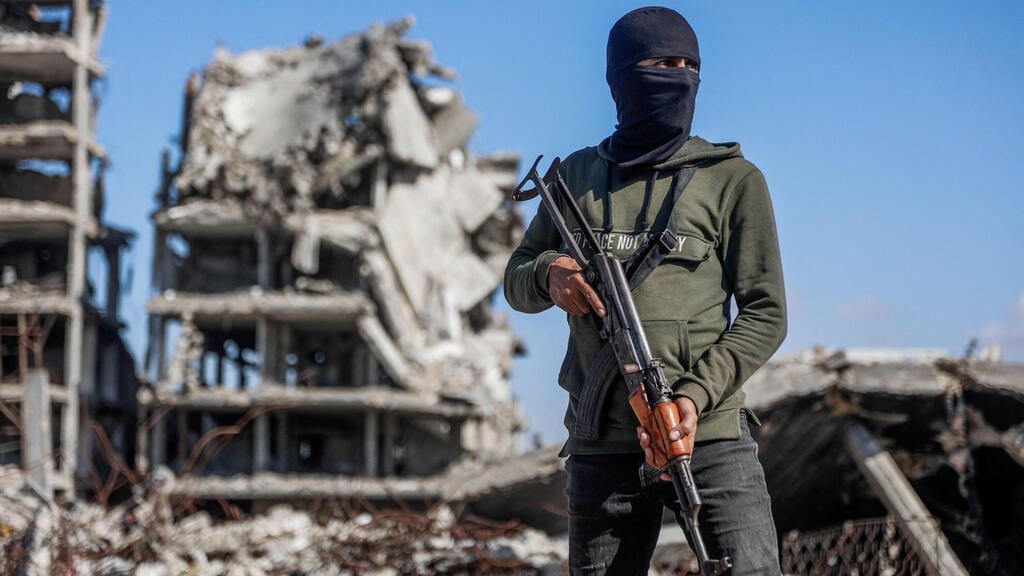
A Hamas terrorist in Gaza
(Photo: Omar al-Qattaa/ AFP)
Under the agreed procedure, Israel will receive daily lists from Egypt of those seeking to cross. The lists will then be reviewed by the Shin Bet for security screening. Those approved will be permitted to cross the following day.
The next stage, and the most critical to the plan’s continuation, is the disarmament of Hamas and the demilitarization of the Gaza Strip. A senior Board of Peace official described the issue as “extremely critical.”
“All tracks are moving in parallel,” the official said. “Development planning, temporary solutions, long-term rebuilding, the technocratic government beginning to take administrative responsibility. Everything is running at once. But the strategic obstacle to everything is disarmament.”
“It’s impossible to know what will happen until it happens,” the official added. “There’s no gambling here, but there is a reasonable chance that disarmament will work.”
According to the official, if disarmament is achieved by agreement, it will conclude far more quickly than if imposed by force. “Beyond saving lives and preventing wounded or killed soldiers, as well as civilian casualties on both sides, if we can spare that damage, we’ve gained the most possible,” he said. “There’s no doubt it will happen one way or another, as President Trump said, the easy way or the hard way, but it’s better for everyone if it’s the easy way.”
In Israel, there remains deep skepticism about Hamas’ willingness to truly disarm. However, officials involved in the US-backed council argue that this time may be different, citing Hamas’ agreement to return all hostages.
“The fact that Hamas released all 20 living hostages on the first day of the deal, without leverage or extortion tactics, is dramatic,” one official said. “All of Hamas’ usual methods changed because there is real pressure from the mediators.”
Egypt, in particular, was praised for its role. “Egyptian intelligence chief Hassan Rashad is doing an extraordinary job,” the official said. “He has tremendous goodwill and is giving everything to make this succeed. That matters.”
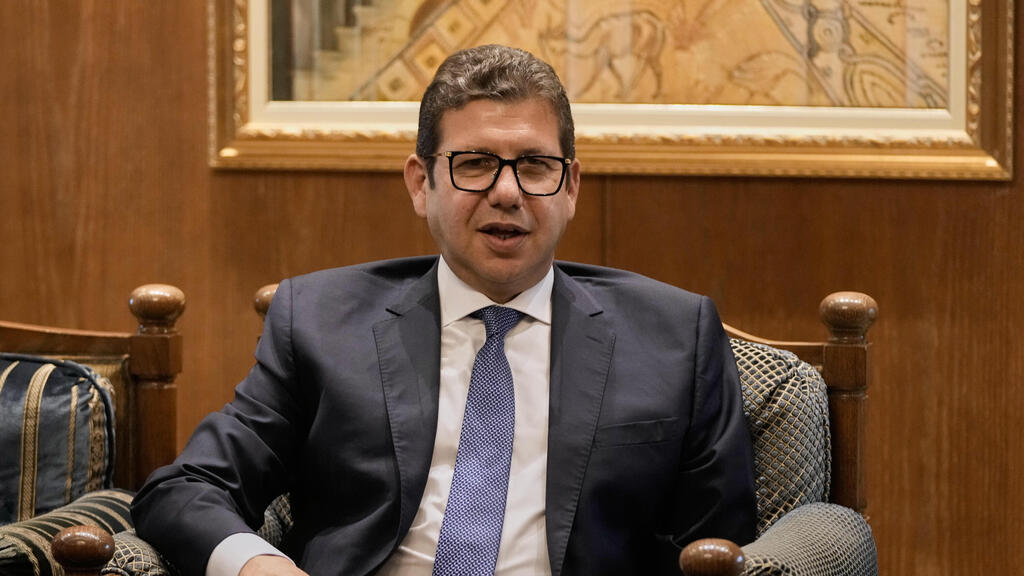
Egyptian intelligence chief Hassan Rashad
(Photo: Hassan Ammar/ AP)
According to the council, the process has become an internal Palestinian issue, with the technocratic committee itself demanding Hamas disarm. “There’s a limit to how much Hamas can go against everyone, including its own people,” the official said.
“This is the wisdom of the isolation strategy,” he added. “Israel moved from being isolated to Hamas being isolated. Even a terror organization can’t operate when it’s completely isolated from its own population. We see fatigue in Hamas. They want to move on and are ready to hand over control to a technocratic administration.”
In the coming period, the technocratic Palestinian administration headed by Dr. Ali Shaath is expected to enter Gaza and take over governance. “Dozens of things are happening simultaneously,” said another senior official. “The strategic issue is demilitarization. A large, professional team is working around the clock. The Americans are giving full backing to ensure success.”
Officials involved said Israel had agreed with the US that if genuine effort was being made to locate Gvili, Rafah would open even if his body was not found. “There was a dramatic, sincere effort to bring him back, which is why Israel agreed to move forward,” they said. “It surprised everyone that he was found. The idea was to open the crossing once it was clear the effort was real, not a bluff.”
Despite this, Israeli officials remain concerned Hamas may attempt to deceive by surrendering only part of its weapons. “No one here is naive,” sources said. “We judge actions, not words. Disarmament is a process. Even the IDF couldn’t eliminate every weapon and tunnel overnight.”
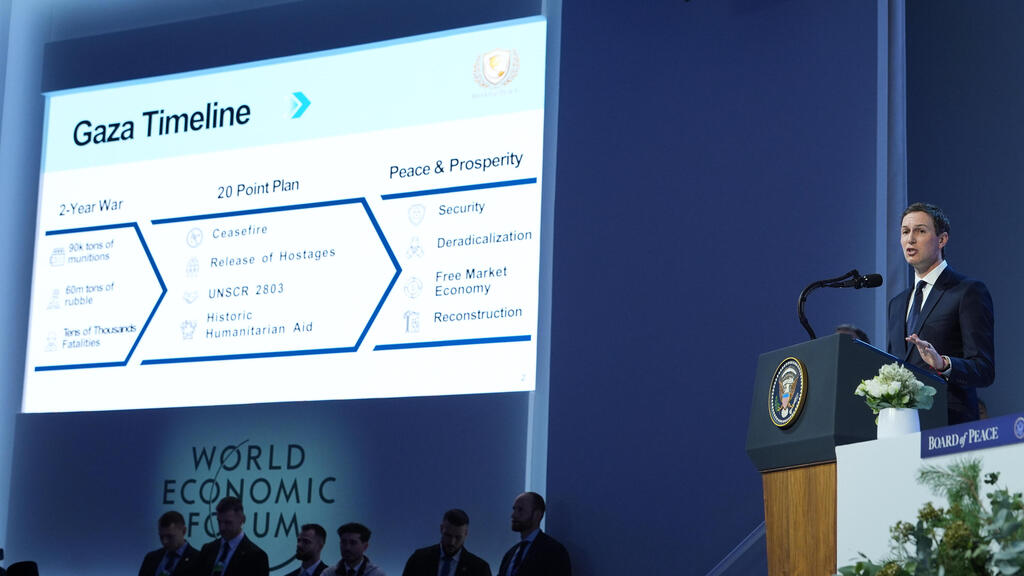
Jared Kushner
(Photo: Evan Vucci/ AP)
Regarding Gaza’s reconstruction, officials stressed it would not be led by a single state but by dozens of private companies from multiple countries over a projected 10-year period. Turkish, Qatari and Israeli companies would all be eligible to bid. Oversight would be strict, transparent and competitive, led by Board of Peace CEO Nickolay Mladenov alongside the Palestinian technocratic committee.
Reconstruction would begin in Rafah and Khan Younis in southern Gaza and gradually move northward. Israel will handle debris and unexploded ordnance removal, partly to prevent Hamas from reusing materials for explosives. Finance Minister Bezalel Smotrich has allocated millions of shekels for the effort, despite internal criticism.
Prime Minister Benjamin Netanyahu reiterated Monday that Israel’s priority is disarmament, not reconstruction. Speaking in the Knesset during the visit of Albanian Prime Minister Edi Rama, Netanyahu said, “We have an interest in advancing the next stage, which includes demilitarizing Gaza and dismantling Hamas, not reconstruction.”
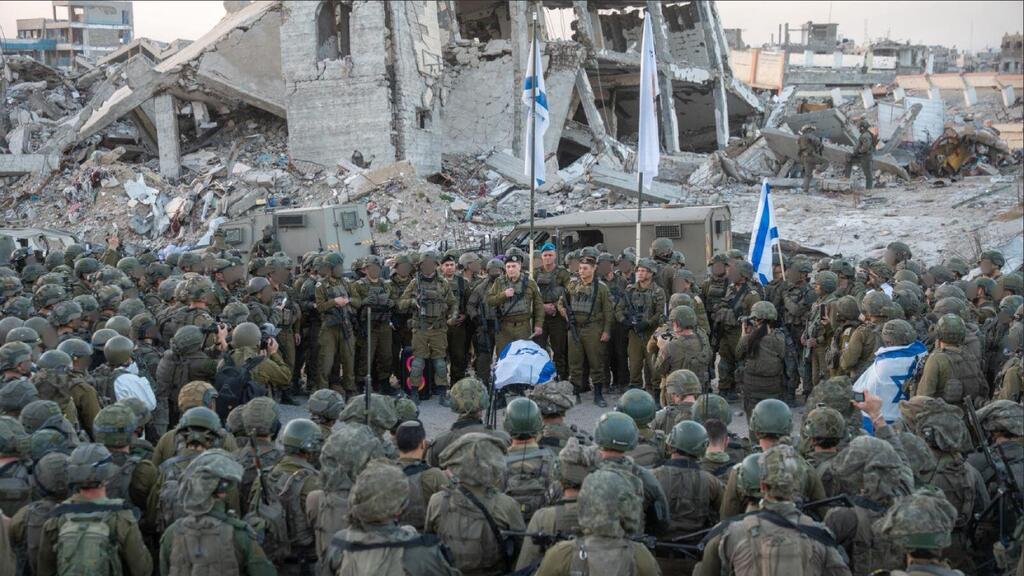
IDF chief of staff salutes Ran Gvili in Gaza
(Photo: IDF)
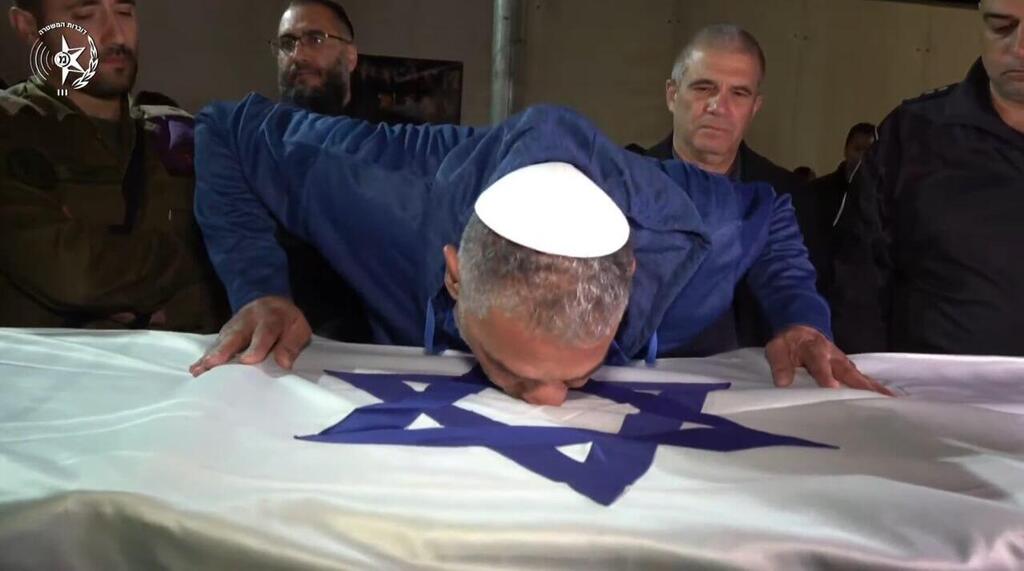
Itzik Gvili with the coffin of his son Ran
(Photo: Israel Police)
Jared Kushner, President Trump’s son-in-law, who along with special envoy Steve Witkoff is overseeing the Gaza initiative, said the recovery of Ran Gvili “closes one of the darkest chapters of the Middle East conflict.”
“For the first time since 2014, there are no Israeli hostages held in Gaza,” Kushner said. “Under President Trump’s leadership, we worked closely with the CIA, Prime Minister Netanyahu and his team, the IDF, Egyptian intelligence, Turkey, Qatar and cooperative Gazans to make this unthinkable outcome possible.”
He added that helping Gazans begin a new chapter free from Hamas rule is essential to preventing future bloodshed for Israelis and Palestinians alike. “We are trying new approaches, hoping to achieve new outcomes,” Kushner said. “This is an end, but also a new beginning.”