

Israeli and U.S. fighter jets intensified strikes across Iran on Saturday, targeting dozens of oil storage sites in Tehran and nearby areas including Kohak, Shahran and Karaj, as the war entered its second week.
The strikes marked a significant escalation in the air campaign, which Israel and the United States say is aimed at government and military infrastructure linked to Iran’s leadership.
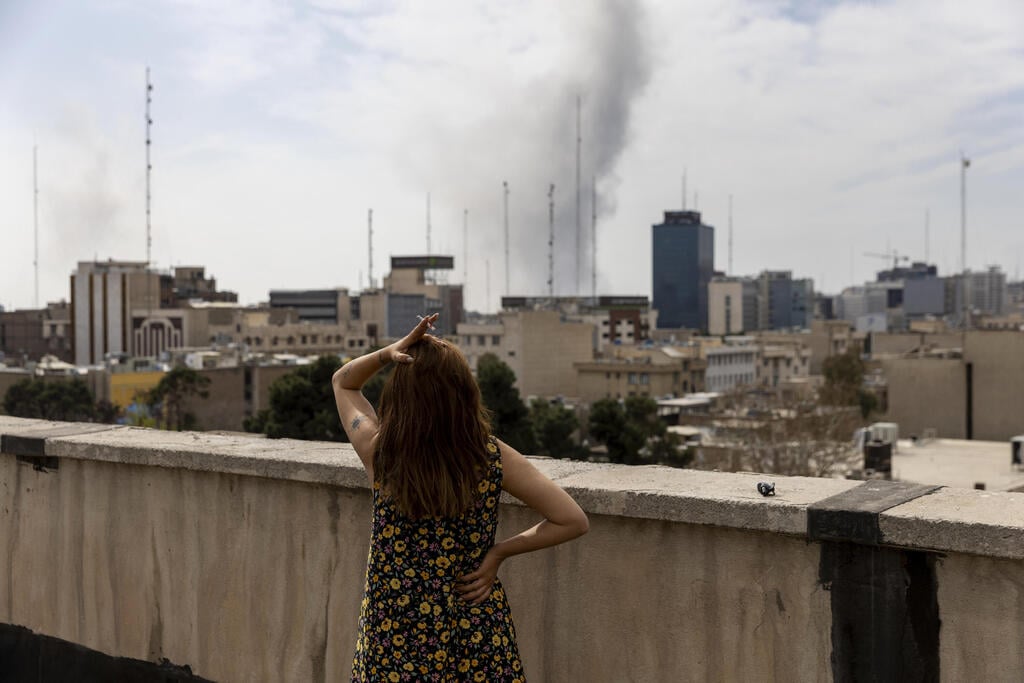
Residents in Tehran reported powerful explosions in recent days, with some saying the bombardment has left millions of people sheltering in their homes and struggling to sleep.
“I don’t think anyone who hasn’t experienced war can understand it,” a 26-year-old teacher in Tehran told AFP. “When we hear the bombings, we have no idea where they will hit.”
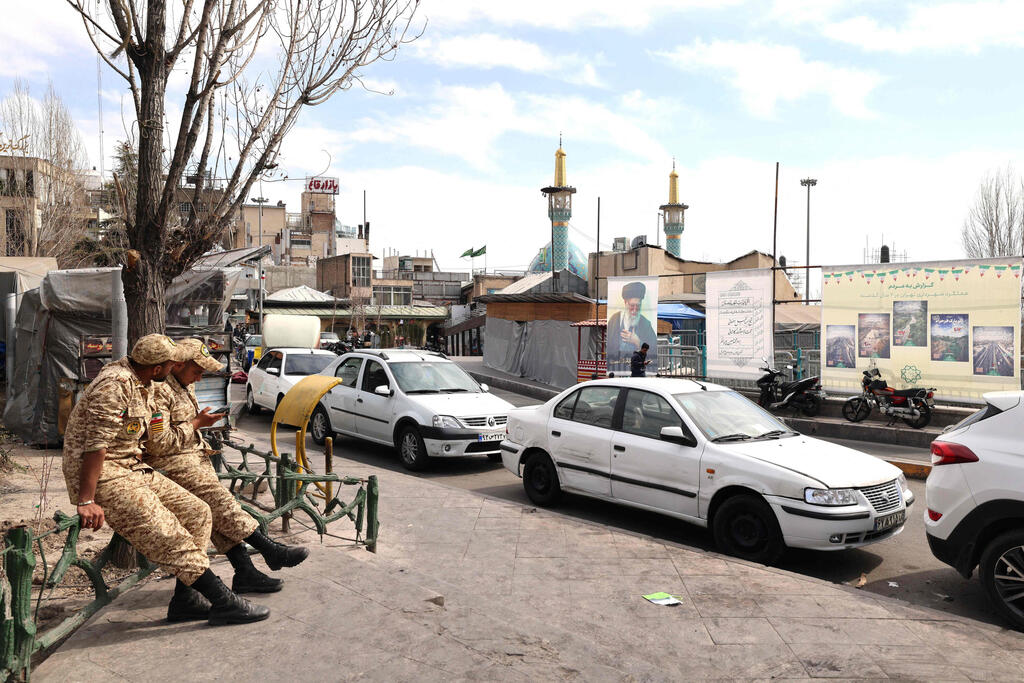
Iranian authorities have deployed police and soldiers in cities across the country, according to residents, in part to prevent the resurgence of anti-government protests during the conflict.
A 60-year-old businessman from Tehran described the atmosphere in the capital as “very frightening,” saying many residents had fled the city and that security forces had set up checkpoints across neighborhoods.
“Tehran has emptied out,” he said after crossing into Armenia over the weekend. “You can hear the explosions. Police are patrolling with weapons and special equipment.”
(Photo: ATTA KENARE / AFP)
The full scale of the damage remains unclear, in part because restrictions imposed by the Iranian government on media and communications have made independent verification difficult.
Iran’s Health Ministry said 926 people had been killed and about 6,000 injured during the first week of the war, though AFP said it could not independently confirm the figures.
Government spokeswoman Fatemeh Mohajerani said the strikes had damaged 3,090 homes and 528 commercial properties across the country.
Some targets have been located in densely populated areas, and nearby residential buildings and shops have suffered significant damage, AFP reported.
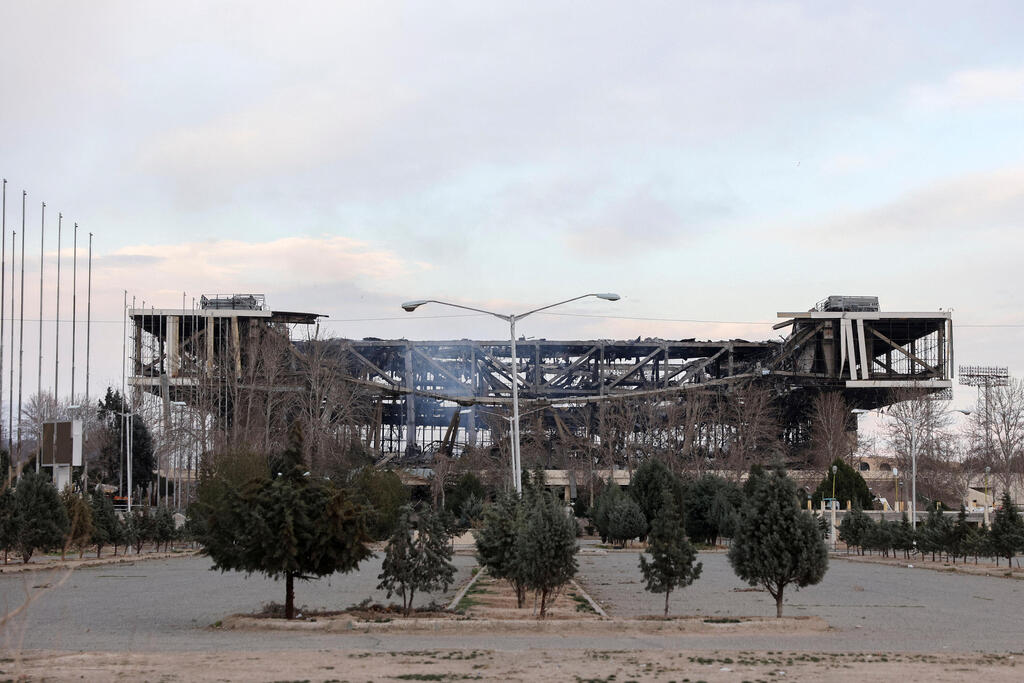
Among the sites affected was Tehran’s Azadi Stadium, which holds about 12,000 people and was seen burning in footage released Friday.
According to the World Health Organization, 13 hospitals across Iran have also been damaged since the war began. Windows at the private Gandhi Hospital in northwestern Tehran shattered during early strikes.
Iranian officials said a strike on an elementary school in the southern city of Minab last Saturday killed 150 people, though the number has not been independently verified. Neither Israel nor the United States has claimed responsibility for the attack.
The Pentagon said it was investigating the incident, and U.S. Secretary of State Marco Rubio said American forces do not intentionally target schools.
(Photo: Majid Asgaripour/WANA (West Asia News Agency) via REUTERS)
Human rights organizations monitoring the situation from outside Iran say verifying casualty numbers and damage has become increasingly difficult since the government shut down internet access shortly after the conflict began.
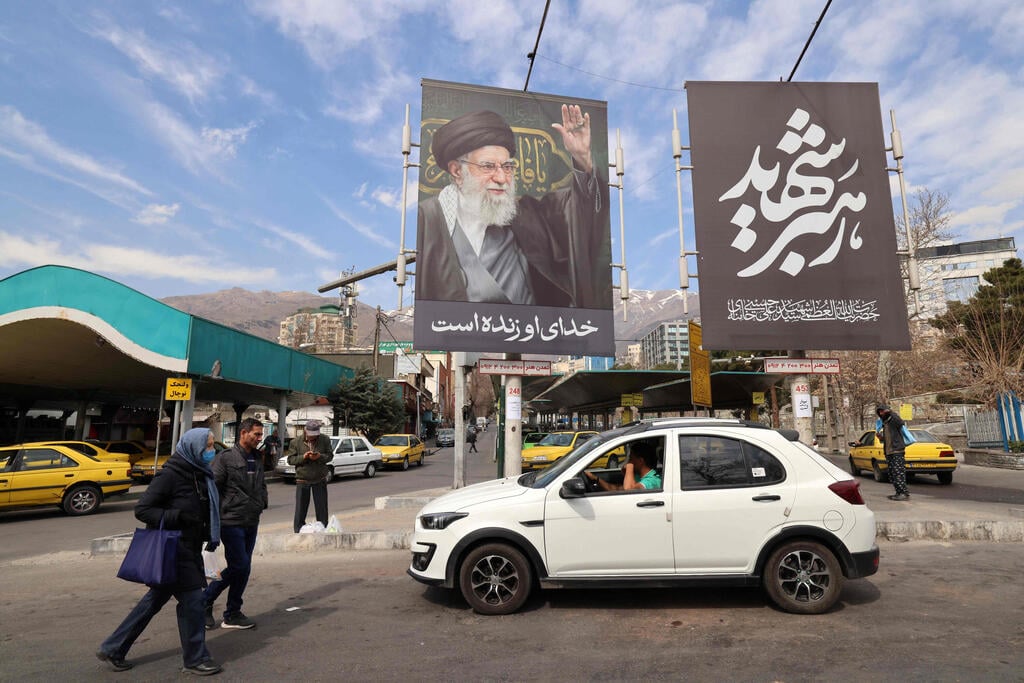
Residents also reported increased security presence on the streets. Police and plainclothes forces have been widely deployed, with some searching phones and questioning civilians.
“Because many Basij bases were destroyed, their members are now roaming the streets and intimidating people,” said Azad, an architect who spoke to AFP.
The war has also triggered rising anxiety and economic strain. Some residents described shortages of cash and disruptions to payment systems as banks restrict withdrawals and some credit cards stop working.
“We tried to stockpile water and food and pack an emergency bag,” the Tehran teacher said. “The children are the most vulnerable. They don’t want to be separated from their parents, and without internet we can’t even distract them with games or TV.”
(Photo: ATTA KENARE / AFP)
In the northwestern city of Bukan, cafe owner Reza said nearby government and Revolutionary Guard buildings had been destroyed in strikes just 200 meters from his shop.
“The streets are full of rocket fragments and building debris,” he said.
Despite the danger, some residents have continued gathering at cafes in the evenings, even sitting outside to watch the bombardments.
“Maybe it’s because we are used to war since childhood,” Reza said. “The real problem now is money.”
He said banks were limiting cash withdrawals and some credit cards had stopped working.
“In my cafe, I decided that anyone who can’t pay for coffee — it’s on me,” he said. “In times like these, solidarity is the only thing war cannot destroy.”