

Syria announced Sunday that it had reached an agreement with Russia allowing Moscow to retain a military presence along the Syrian coast, preserving two of its most strategically important facilities in the Middle East after the fall of longtime ally Bashar Assad. The agreement covers Russia’s naval facility at Tartous and its Hmeimim air base near Latakia.
According to the Syrian Foreign Ministry, the two sites will be transformed within three months into “joint training centers” under a new framework. The precise meaning of that designation remains unclear, but the announcement indicates that Russia’s military presence in Syria is expected to continue for the foreseeable future. Moscow has not yet publicly confirmed the agreement, which Damascus described as opening “a new chapter” in relations between Russia and the government of Syrian President Ahmad al-Sharaa.
Gallery
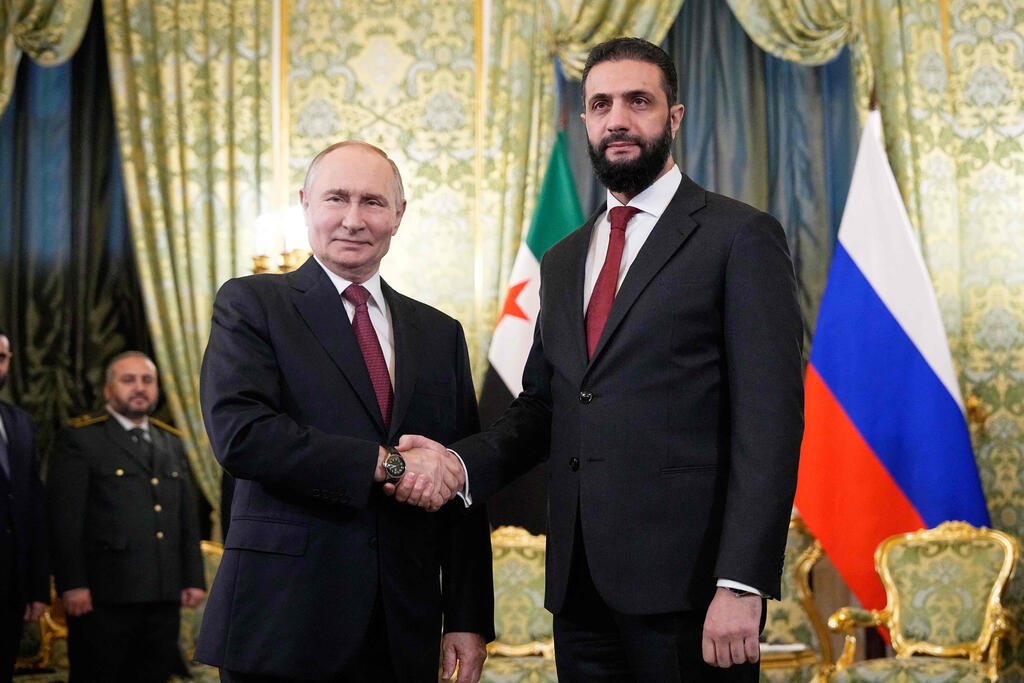
Putin and al-Sharaa during their first meeting at the Kremlin in October last year
(Photo: Alexander Zemlianichenko / POOL / AFP)
Russia had been an ally of the Syrian regime for decades. After Syria’s civil war erupted in 2011, Moscow supported Assad and in 2015 intervened directly in the conflict, launching airstrikes against his opponents and helping his government regain territory.
Al-Sharaa, by contrast, is a former al-Qaida member who led the jihadist group Jabhat al-Nusra, which later evolved into Hayat Tahrir al-Sham. His Islamist forces were among those targeted by Russian airstrikes. In December 2024, after Assad had appeared to have largely won the war, al-Sharaa’s forces launched a rapid offensive that toppled the regime and forced Assad to flee to Russia.
Assad’s collapse and al-Sharaa’s rise were widely viewed as a major blow to Russia’s ambitions in the Middle East. Among the most immediate questions was the future of Moscow’s two major Syrian military facilities, Tartous and Hmeimim. From the outset, Syria’s new government, seeking stability and reconstruction after years of war, did not rule out allowing Russia to retain the bases.
But Damascus also signaled that it would demand something in return, including compensation for war damage and even Assad’s extradition. Assad has not been extradited, and there is no indication that his handover was included in the negotiations that produced the new agreement.
The talks also included a direct meeting between Russian President Vladimir Putin and al-Sharaa at the Kremlin in October last year.
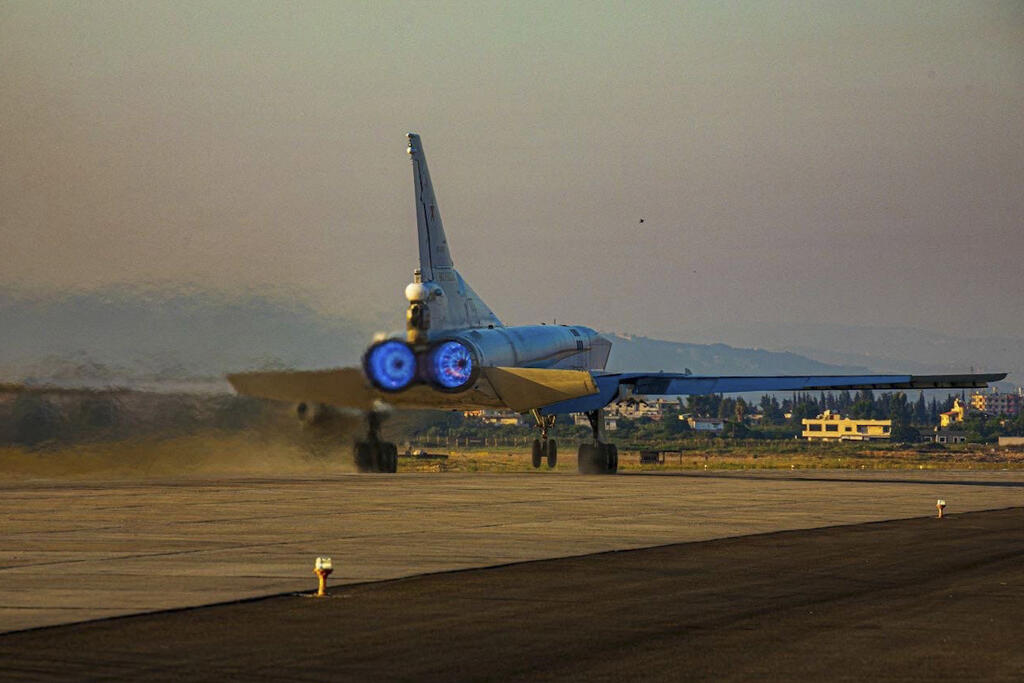
A Russian fighter jet takes off from Hmeimim Air Base in Syria
(photo: Russian Defense Ministry)
Details of the new agreement remain incomplete. The Syrian Foreign Ministry described it as a “memorandum of understanding,” rather than a fully detailed final treaty, setting out “a process for reorganizing the Russian presence on the Syrian coast.”
Under the arrangement, Syria will assume responsibility for civilian facilities in the area. That includes civilian docking facilities at Tartous port and an airport near Latakia, where the Hmeimim base is located.
Syria’s Civil Aviation Authority separately announced Sunday that it had taken control of Latakia International Airport, previously managed by Russia, and had “begun preparations for its rehabilitation.”
Russian activity at the civilian airport had already been sharply reduced since Assad’s fall, and refugees had also been living within the complex.
The arrangement is different for facilities with a military function. “The two sides agreed to redefine their role, transforming them from military bases into joint training centers under new arrangements that protect mutual interests,” the Syrian Foreign Ministry said. “The memorandum of understanding establishes a timeframe of no more than three months to complete the transformation process, after which the new arrangements will take effect.”
Damascus described the agreement as the most significant development since negotiations began about a year and a half ago. “This step is considered the most significant since the start of negotiations approximately a year and a half ago and opens the door to a new phase in Syrian-Russian relations,” the ministry said.
If implemented as described, the deal would allow Russia to preserve a strategic military presence on the eastern Mediterranean despite the collapse of the Assad government that had hosted its forces for years.