


According to all polls, Hungarian Prime Minister Viktor Orbán is expected to lose Sunday’s election to his rival Péter Magyar, a development that would deal a significant blow to Israel. While Israel would lose one of its closest allies, it would not necessarily lose Hungary altogether.
In Israel, officials are closely watching the race. Orbán is fighting a defensive campaign, and a victory for him would defy expectations. Magyar’s Tisza party has been deploying activists in an effort to disrupt Orbán’s campaign rallies, a tactic previously uncommon in Hungary.
Gallery
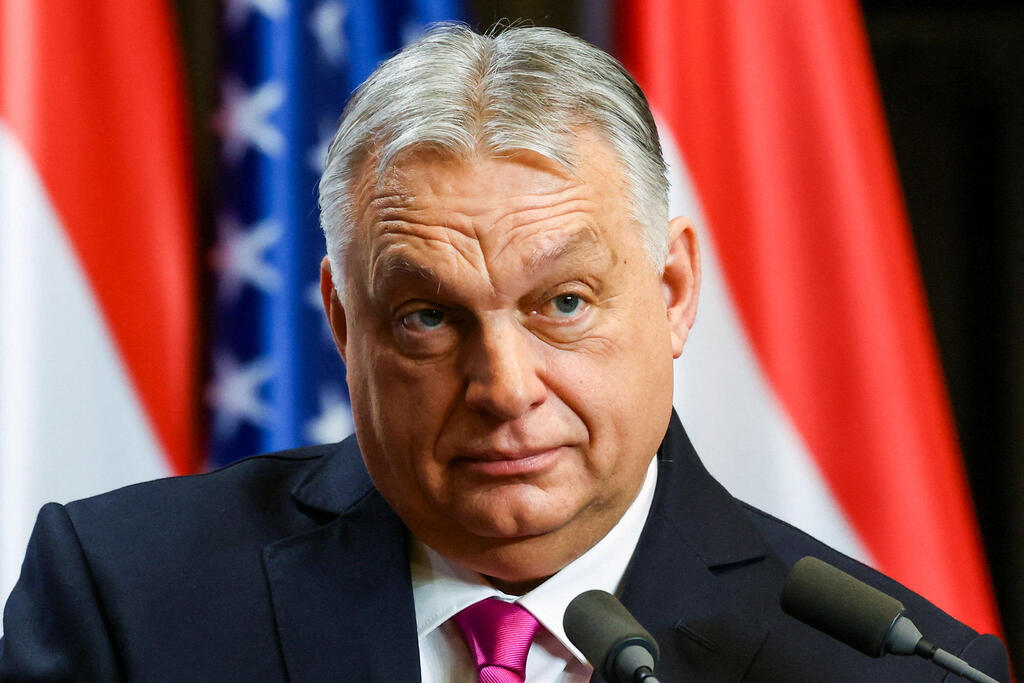
Hungary’s PM Orbán. He defied the polls in 2022, can he do it again?
(Photo: Bernadett Szabo/Reuters)
Recent trends are particularly troubling for Orbán. In several districts with three candidates, a third candidate not affiliated with either Orbán or Magyar has withdrawn in favor of the Tisza candidate. This wave of withdrawals over the past week has increased the opposition leader’s chances of winning. The prevailing sentiment in Hungary is that Orbán must pull off a last-minute surprise. In the previous election in 2022, his rival led in the polls, yet Orbán ultimately secured a decisive victory. This time, the situation appears more precarious.

Péter Magyar. He is no enemy of Israel
(Photo: Bernadett Szabo/Reuters)
How significant would a Magyar victory be for Israel? Officials familiar with the matter say a Hungary led by Magyar would not resemble Spain or Ireland, which have taken some of the most hardline positions against Israel in the European Union. Magyar is a center-right candidate. The concern for Israel lies in his campaign promise to secure $15 billion in EU funding for Hungary. To do so, he would need to align with Brussels. This would likely mean the end of Hungary’s veto on decisions targeting Israel. As a result, Jerusalem could lose its last line of defense in the EU against sanctions, which require unanimity among all 27 member states. Hungary’s vote has repeatedly blocked such initiatives, and that protection could now disappear.
Netanyahu’s involvement and the ICC issue
For Prime Minister Benjamin Netanyahu, an Orbán defeat would mean losing one of his closest allies among world leaders, aside from U.S. President Donald Trump. During the campaign, Netanyahu sought to support Orbán, sending a video message to a party event in Budapest and dispatching his son Yair to praise Orbán and express his affinity for Hungary.
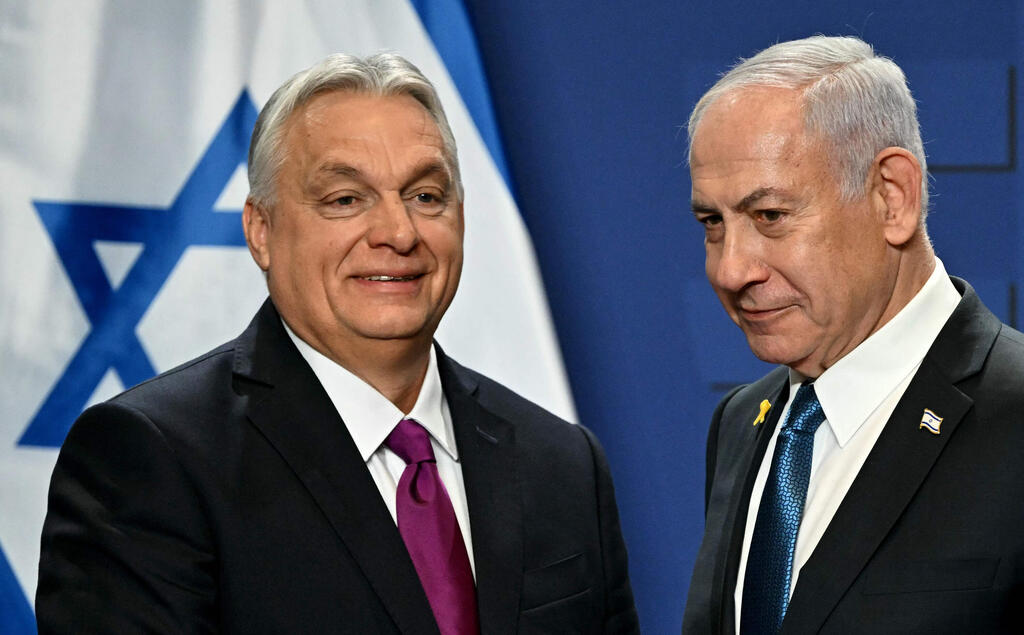
No more visits to Budapest. Netanyahu with Orbán
(Photo: Attila KIsbenedek / AFP)
Within the EU, Orbán has been widely unpopular, with many leaders hoping for his removal. European intelligence agencies were reportedly behind the leak of recordings of conversations between Hungary’s foreign minister and Russian Foreign Minister Sergey Lavrov, portraying Hungary as advancing Russian interests within the EU. At the same time, there are claims that Russia has conducted an aggressive influence campaign to help Orbán. A source familiar with the issue said, “It would be enough for Magyar to turn Hungary into Germany, a country that strongly supports Israel but does not veto anti-Israel decisions. There are matters only Hungary blocks, such as sanctions against settlers.”
Until now, the EU has often refrained from issuing collective condemnations of Israel due to Hungary’s veto. Instead, EU foreign policy chief Kaja Kallas would issue statements in her own name. If Magyar wins, that dynamic is expected to end, with the EU likely issuing unified statements backed by all 27 members. Such statements could target settlement construction, settler violence and unusual military operations such as the recent strike in Beirut. Israel would no longer be able to rely on Hungary to create divisions within the bloc.
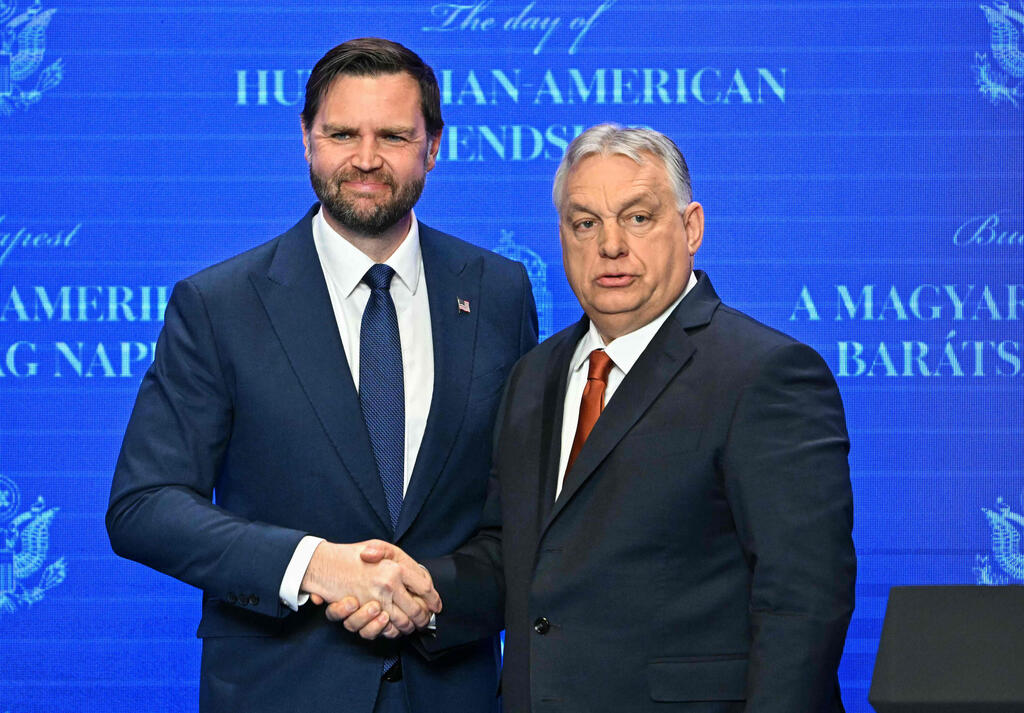
Orbán with U.S. Vice President JD Vance in Budapest this week. The Trump administration could also lose a close ally
(Photo: Attila Kisbenedek / AFP)
Still, suspending the EU-Israel Association Agreement, one of the most serious threats from Brussels, requires a qualified majority. Past efforts have been blocked by Germany and Italy, and Israeli officials believe a Magyar-led Hungary would not adopt positions more critical than those of Berlin or Rome. Magyar’s party has already announced that it would halt Hungary’s withdrawal from the International Criminal Court, a process initiated by Orbán and set for completion in June. This would return Hungary to ICC membership, meaning Netanyahu could no longer visit Budapest, which had been the only EU capital willing to host him despite the court’s arrest warrant.
Hungary could also withdraw its submission to the International Court of Justice opposing claims that Israel is committing genocide in Gaza. Israel currently maintains dialogue with multiple EU states on draft decisions before they are finalized. Without Hungary, Israeli requests may receive less attention.
Synagogue visit and possible Palestinian flag approval
At the bilateral level, relations between Hungary and Israel are not expected to change fundamentally. A Magyar government is not expected to boycott Israel. However, one potentially troubling outcome could stem from his campaign pledge to allow the display of all flags in Hungary. Although the promise was made in reference to LGBTQ pride flags, Jewish community members fear it could also permit Palestinian flags, which were banned under Orbán.
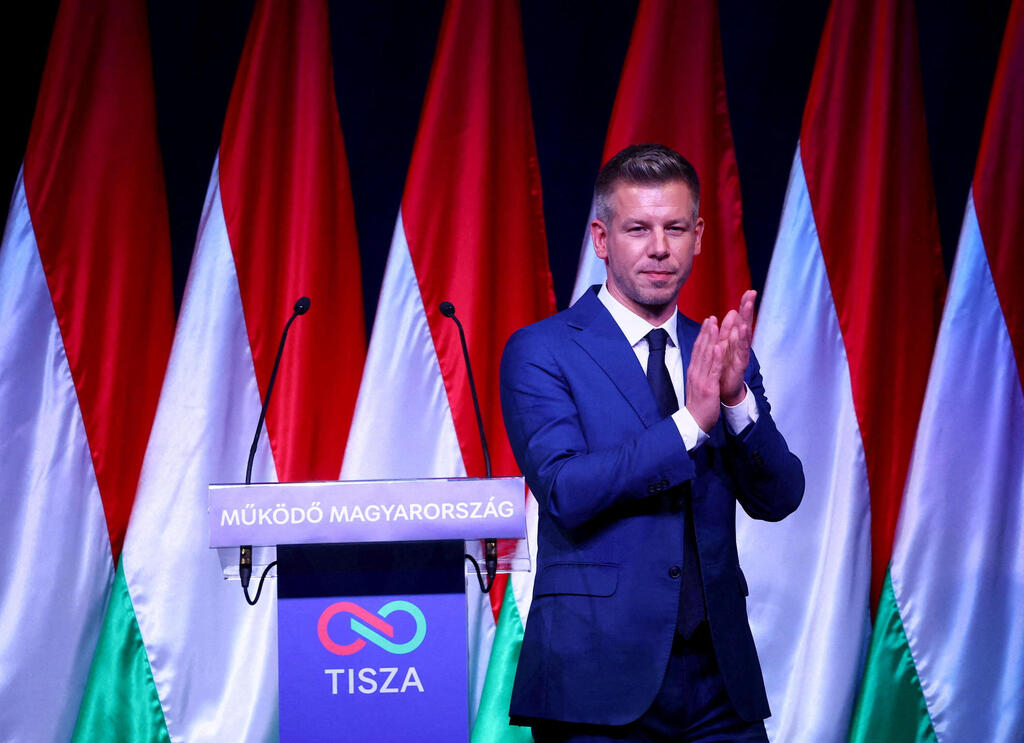
'There will be stylistic changes, it will be harder in Brussels, but we’re not losing Hungary.' Péter Magyar
(Photo: REUTERS/Bernadett Szabo)
Another concern is that Hungary under Magyar could withdraw from Trump’s Peace Council. Hungary is the only European country in the body aside from Bulgaria, which has already left. Under Magyar, Hungary may also stop automatically backing Israel in votes at the United Nations and other international forums. To his credit, Magyar has not embraced anti-Israel chants at his rallies and has said Hungary would act in accordance with international law. He has avoided provocative statements and largely refrained from addressing foreign policy. He has also not met with foreign ambassadors in Hungary.
One notable gesture came on the anniversary of the liberation of the Warsaw Ghetto, when Magyar attended a memorial at Budapest’s Great Synagogue despite not being formally invited. He sat among the public, remained throughout the ceremony and afterward shook hands with community leaders. Sources familiar with Magyar told Ynet, “He does not hate Israel. There will be changes in tone, and Israel will face more difficulties in the EU, but we are not going to lose Hungary. Netanyahu himself will lose a close friend.”