

Saudi Arabia pressed U.S. President Donald Trump to halt a new American military operation in the Strait of Hormuz, fearing it could restart the war with Iran, The New York Times reported on Wednesday.
The operation, called Project Freedom by the Pentagon, was intended to help guide commercial ships through the strategic waterway after Iran had effectively closed it early in the war. U.S. commanders said American naval and air power would protect ships from possible Iranian attacks during a fragile ceasefire.
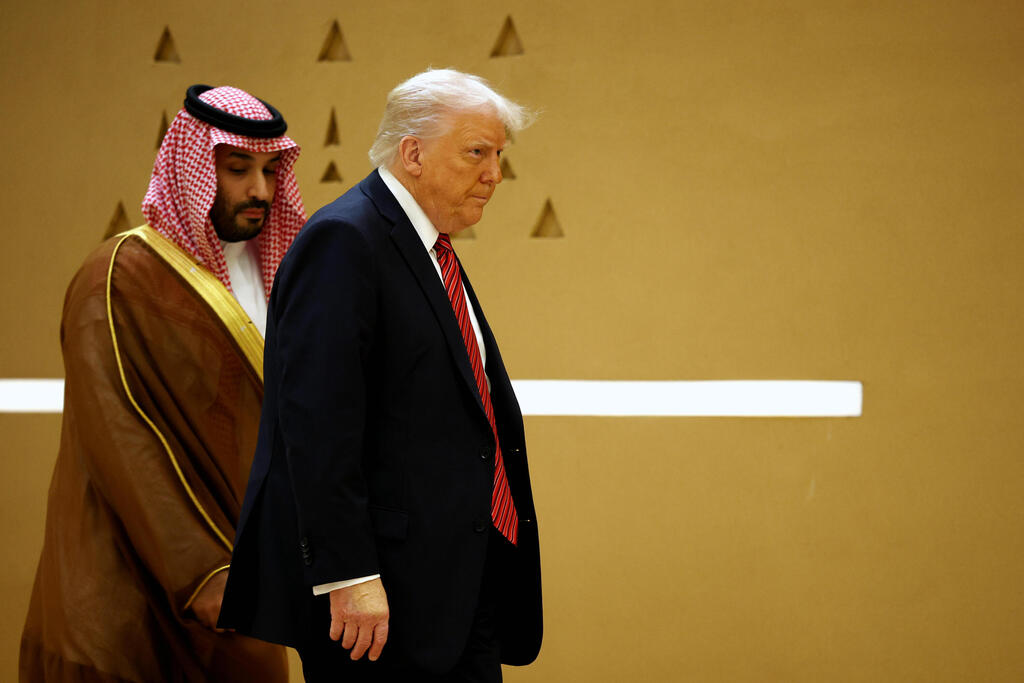
But the mission quickly ran into resistance from Riyadh. According to The New York Times, U.S. Central Command was surprised when Saudi officials said American forces could not use the kingdom’s airspace for the operation. The Americans had not consulted the Saudis before announcing the mission.
That refusal triggered a series of urgent calls between Washington and Crown Prince Mohammed bin Salman. Trump spoke with the Saudi leader on May 4, the first day of the operation, and again over the next two days, U.S. officials told the newspaper. Vice President JD Vance, Middle East envoy Steve Witkoff, Jared Kushner and White House national security adviser Marco Rubio also held separate calls with Saudi counterparts or the crown prince.
Mohammed bin Salman refused to back down. Saudi officials feared that allowing U.S. forces to operate through the kingdom’s airspace could make Saudi Arabia a target and pull the Gulf back into a broader confrontation with Iran. Less than 48 hours after Project Freedom began, the Trump administration shut it down, according to the report.
The episode exposed widening tensions between Washington and Riyadh over regional security after the U.S. and Israel attacked Iran on February 28. Saudi Arabia supported the United States militarily and diplomatically during the conflict and was itself attacked by Iran, but it also resisted American moves it believed could increase the danger to Gulf states.
“The moment Iran closed the Strait of Hormuz, the whole psychology of the Gulf changed,” Michael Ratney, a former U.S. ambassador to Saudi Arabia, told The New York Times.
Saudi Arabia has tried to balance several competing priorities since the war began. It wants to limit Iran’s regional power, protect Gulf shipping and avoid being dragged into another round of fighting. Riyadh has also maintained direct channels with Tehran, focusing not only on Iran’s nuclear program but also on its control over the strait, ballistic missiles and support for regional militias.
The New York Times reported that the kingdom and other Gulf Arab states are now pressing for any new agreement with Iran to protect them from the fallout of renewed hostilities involving Iran, Israel or the United States. Saudi officials are also said to be increasingly skeptical about whether Washington would protect them or exercise sound judgment in a future conflict.
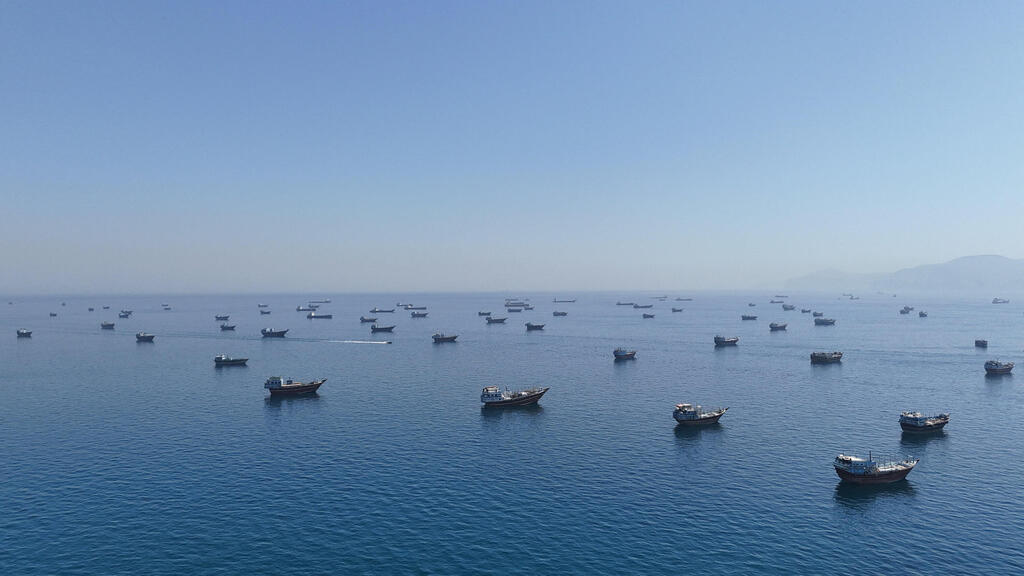
Strait of Hormuz
(Photo: REUTERS/Stringer)
Anna Kelly, a White House spokeswoman, told the newspaper that Trump has a “great relationship” with Saudi Arabia and listens to regional partners before making decisions based on U.S. interests and national security. The Saudi Foreign Ministry did not respond to a request for comment.
Despite the tensions, major parts of the U.S.-Saudi partnership remain intact. Washington and Riyadh are still discussing a civilian nuclear program, possible overland routes that would bypass the Strait of Hormuz and continued weapons sales. Saudi Arabia remains the largest buyer of American arms.
Still, the failed Project Freedom mission underscored a growing Saudi concern: that U.S. actions against Iran could expose Gulf states to retaliation, even when Washington’s strategy is unclear.
The preliminary ceasefire arrangement has not resolved those concerns. According to the report, it does not address Iran’s ballistic missiles or its support for militias, and it recognizes some form of Iranian control over the Strait of Hormuz. Saudi officials have publicly welcomed the diplomatic opening, but have not committed funds to rebuilding Iran, another element mentioned in the agreement.
For Riyadh, the aborted U.S. mission showed that the war may be paused, but the risks around Iran, Israel and the Gulf remain unresolved.