

Negotiators hit a stalemate over the Strait of Hormuz, the Financial Times reported, as talks between the United States and Iran in Islamabad were expected to stretch into the night Saturday with no immediate breakthrough.
The negotiations, mediated by Pakistan, were still ongoing late in the evening local time, with no confirmation on whether they would conclude Saturday or continue into Sunday.
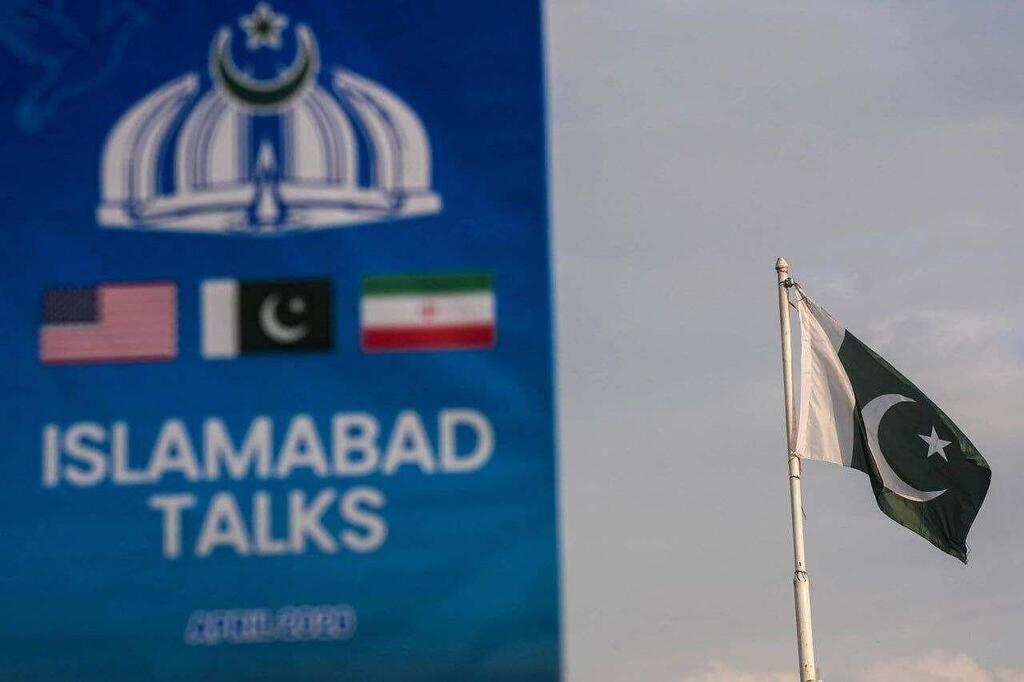
The talks, held in the Pakistani capital with Prime Minister Shehbaz Sharif and army chief Field Marshal Asim Munir present, entered an extended phase after initial face-to-face meetings earlier in the day. The White House confirmed the talks are being conducted directly, a rare instance of high-level engagement between the two sides.
According to Tasnim, a news outlet affiliated with Iran’s Revolutionary Guards, the negotiations have been ongoing for several hours and are continuing, with experts from both sides now exchanging written texts after completing one round of direct discussions.
A Pakistani source cited by Reuters described shifting dynamics during the first round. “There were mood swings from the two sides and the temperature went up and down during the meeting,” the source said.
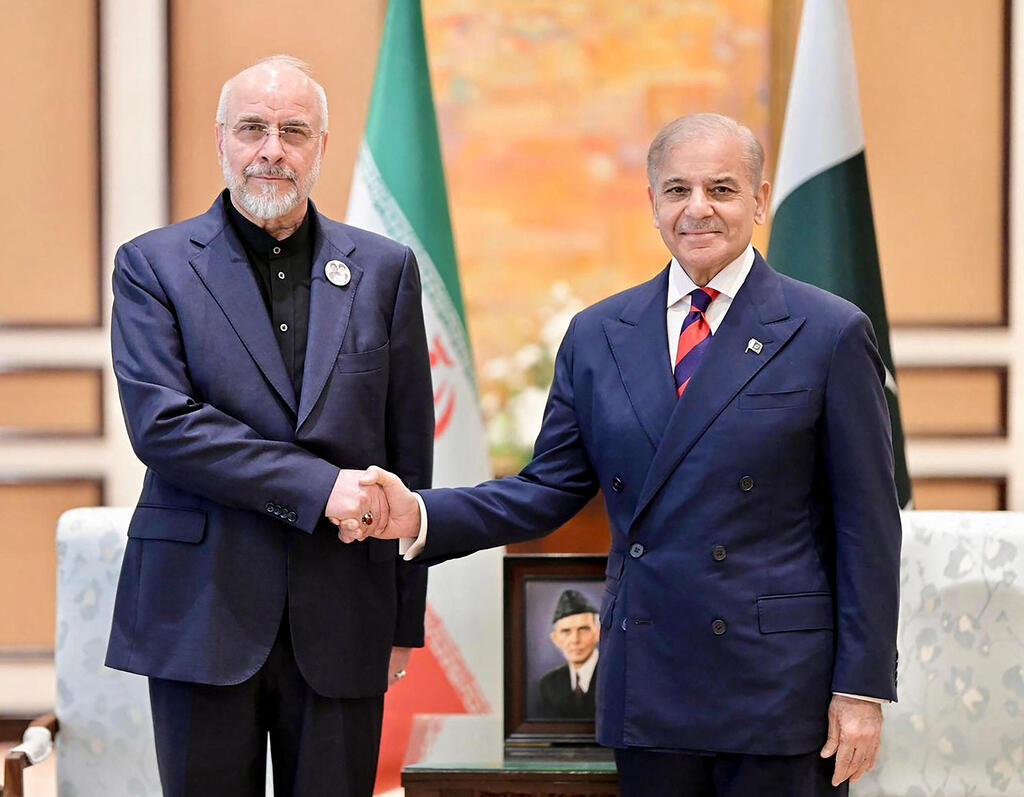
(Photo: AFP PHOTO / Pakistan's Prime Minister Office)
Disagreements over the Strait of Hormuz — a key route for roughly a fifth of global oil shipments — have emerged as a central obstacle. Iran has sought to maintain influence over the waterway, while the United States is pushing for it to be reopened to global shipping.
Another major sticking point is Iran’s insistence that any agreement include Lebanon. A source familiar with the negotiations told the Qatari newspaper Al-Araby Al-Jadeed that the U.S. delegation is unwilling to accept that demand.
Separately, Iran’s central bank governor, Abdolnaser Hemmati, met with Pakistan’s foreign minister, Ishaq Dar, on the sidelines of the talks, Iranian media reported.
The talks began days after a fragile, two-week ceasefire was announced in a war that has entered its seventh week, killing thousands and shaking global markets. U.S. Vice President JD Vance is leading the American delegation, while Iran’s team is headed by Parliament Speaker Mohammad Bagher Qalibaf.
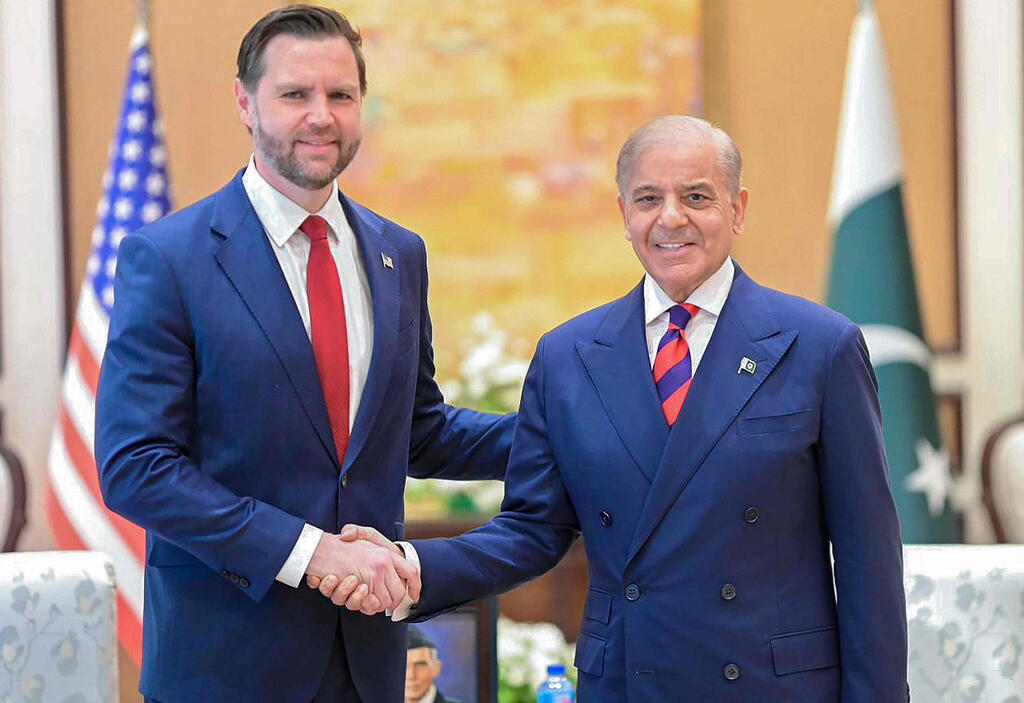
(Photo: AFP PHOTO /Pakistan's Prime Minister Office/ HANDOUT)
Iran has presented a set of “red lines,” including demands for compensation for damage caused by U.S.-Israel strikes that triggered the war on Feb. 28 and the release of frozen Iranian assets. Its proposal also calls for an end to fighting involving its regional allies.
The United States has put forward its own framework, which includes restrictions on Iran’s nuclear program and reopening the Strait of Hormuz.
Iran’s closure of the strait has disrupted global energy markets, pushing oil prices sharply higher and raising concerns about supply shortages. European aviation officials have warned of a potential jet fuel shortage within weeks if the disruption continues.
Despite the ceasefire, tensions remain high. Israel has continued strikes in Lebanon, saying the truce does not apply there, a position rejected by Iran and others, further complicating the negotiations.