

A fire aboard the USS Gerald R. Ford, the world’s largest aircraft carrier, was far more serious than initially disclosed by the U.S. Navy and temporarily degraded the vessel’s operational capabilities during its deployment near Iran, according to newly released footage and accounts from sailors.
When the fire broke out in mid-March, the Navy issued a brief statement saying the blaze had been contained, two sailors received treatment for non-life-threatening injuries and the carrier remained “fully operational.”
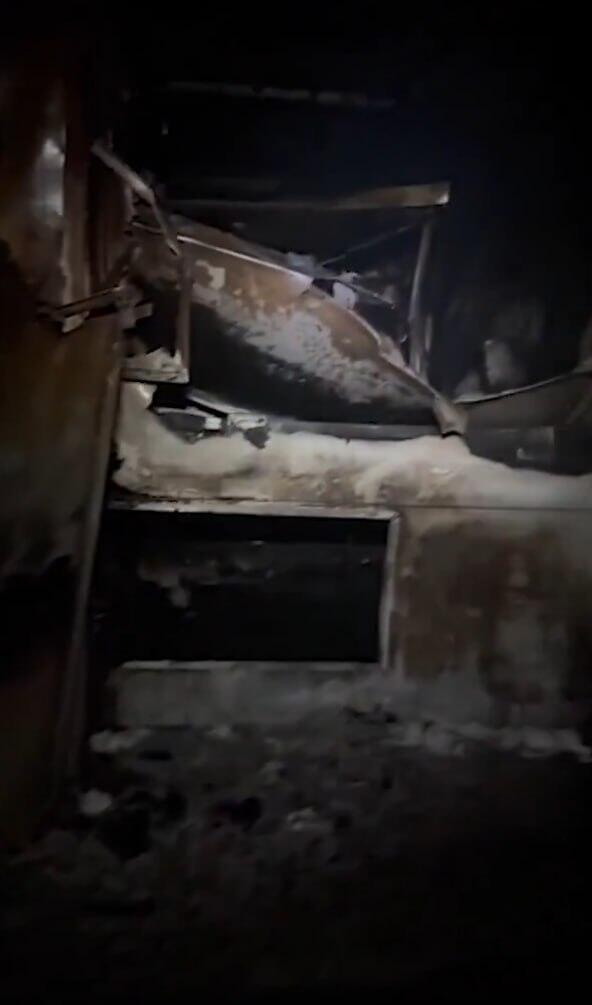
But video obtained by CNN shows extensive damage to sailors’ living quarters, with rows of bunks reduced to charred metal frames, burned ceilings, exposed electrical wiring and floors covered in ash.
“I seriously thought we were going to lose the ship,” one sailor who served aboard the carrier told CNN. “It’s either fight or die.”
According to the sailor and a U.S. official familiar with the incident, the ship’s fire-suppression system failed to activate, forcing crew members to battle the blaze manually.
The official said the Navy’s public statements understated the fire’s impact and that the incident affected the carrier’s operational readiness.
Chief of Naval Operations Adm. Daryl Caudle said in April that it took two days before the carrier resumed flight operations. During that period, the vessel sailed to a port in Greece for temporary repairs.
Asked about the extent of the damage and the reported failure of the firefighting system, a Navy spokesperson said the investigation remains ongoing.
Crew members spent about 30 hours extinguishing the fire and ensuring it would not reignite. Roughly 600 sailors lost access to their sleeping quarters because of the damage.
“It shouldn’t have gotten that bad,” the sailor said. “The fire-suppression system built into the ship should have put it out.”
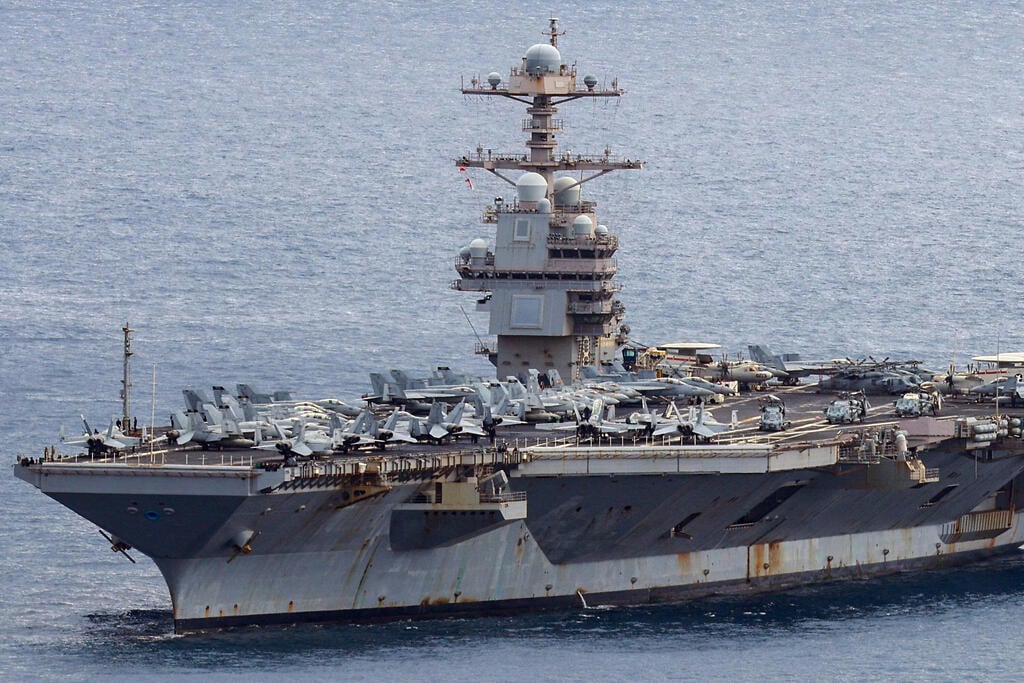
USS Gerald R. Ford
(Photo: METAXAKIS / AFP)
The blaze originated in an area housing laundry machines and dryers, according to Navy officials. “Big fires are always a challenge, and this was significant — laundry and dryer-based fire,” Caudle told CNN after the carrier returned to its home port in Virginia. “The crew handled that so well, and they fought it brilliantly and courageously and basically was back in the fight within a matter of days.”
The USS Gerald R. Ford, which cost about $13 billion to build, played a central role in U.S. military operations against Iran during its deployment. Aircraft from the carrier conducted repeated strikes against Iranian targets, while the carrier strike group itself operated under what officials described as a persistent threat from enemy missiles and one-way attack drones.
The strike group later received a Presidential Unit Citation recognizing its performance during the deployment.
The fire was not the only challenge the carrier faced during the mission. Additional footage aired by CNN showed overflowing toilets and other maintenance problems aboard the ship.
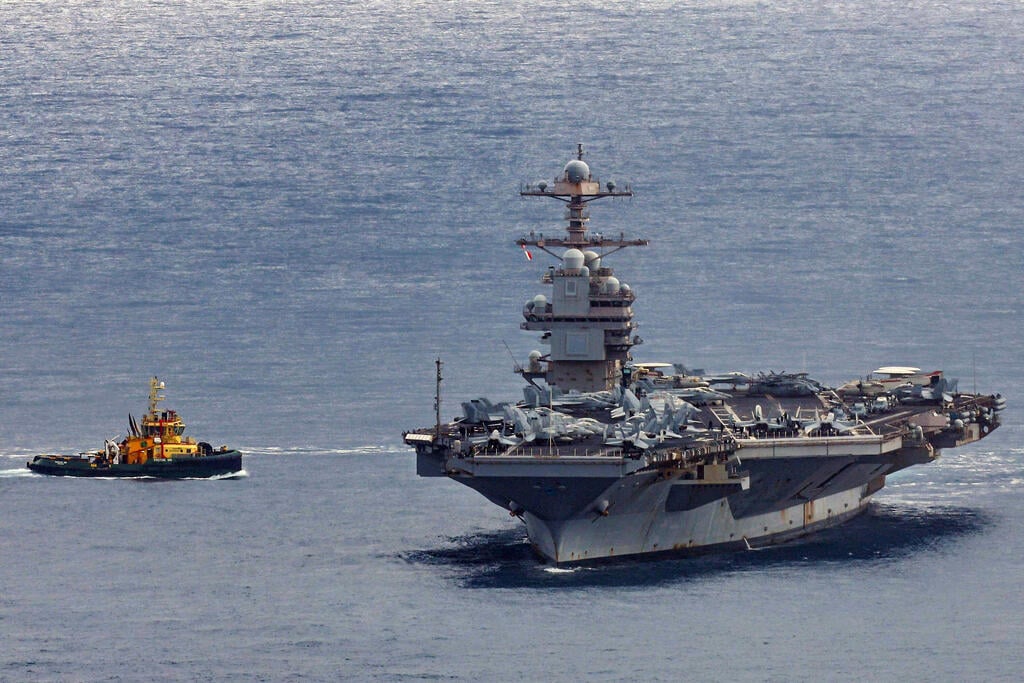
USS Gerald R. Ford
(Photo: METAXAKIS / AFP)
“If you were in the forward section of the ship, you’d have to walk all the way to the aft section just to find a toilet that worked,” the sailor said.
Commissioned in 2017, the USS Gerald R. Ford is the newest and most technologically advanced of the U.S. Navy’s 11 nuclear-powered aircraft carriers. Its electromagnetic aircraft launch system allows it to operate a wider range of aircraft, from small drones to larger fighter jets.
According to Brent Sadler, a 26-year veteran of the Navy and former submarine officer, the other 10 U.S. aircraft carriers do not possess the same launch capability.
The Ford’s deployment was the longest by a U.S. aircraft carrier since the Vietnam War. In addition to operations related to Iran, the carrier also supported U.S. efforts connected to the capture of Venezuelan President Nicolás Maduro, according to the report.
Now back in the United States, the carrier is expected to undergo an extended maintenance period because of wear sustained during the deployment, including additional repairs linked to the fire.
A U.S. official told CNN it could take as long as a year before the vessel is ready to return to sea, requiring other Navy assets to fill its role in the meantime.