

Two Israeli officials said Monday that Israel has approved an updated list of targets for potential strikes on Iranian energy and infrastructure sites, according to CNN, as Jerusalem prepares for the possibility that U.S.-Iran talks collapse and President Donald Trump authorizes military action.
“Israel is awaiting Trump’s decision on the next steps, but we have additional plans for the coming weeks pending an American green light,” one of the officials, described as a security source, told CNN.
Trump: 'The entire country can be taken out in one night, and that night might be tomorrow night'
(Video: X)


A second Israeli official said Israel is highly skeptical that a deal can be reached. He added that Prime Minister Benjamin Netanyahu has conveyed his concerns in recent talks with Trump about a possible ceasefire, stressing that Israel believes any agreement must require Iran to hand over all enriched uranium and commit to a complete halt of uranium enrichment.
According to the report, Netanyahu and Trump spoke Sunday evening following the rescue of two American pilots shot down over Iran. The leaders discussed both diplomatic efforts with Tehran and continued military coordination between Washington and Jerusalem.
Trump on Monday warned that Iran could be “taken out in one night” if no agreement is reached, even as he said negotiations were ongoing. Speaking at a White House news conference, he said the United States has a plan under which “every bridge in Iran will be decimated” and “every power plant… will be out of business” within hours of his deadline.
“The entire country can be taken out in one night, and that night might be tomorrow night,” Trump said. “I hope I don’t have to do it.”
He added that any agreement must be acceptable to him and include the free flow of oil through the Strait of Hormuz, a key global shipping route.
Iranian officials dismissed the threats. The country’s military emergency command said Trump’s rhetoric was “arrogant and baseless,” while an Iranian security official told CNN that the escalation suggests he has lost control of the conflict.
Meanwhile, The Wall Street Journal reported that Trump has sounded less optimistic in private discussions about the chances of reaching a deal before his deadline. U.S. officials told the newspaper he could issue final orders for strikes as early as Tuesday night, though his decision could still change depending on the progress of talks.
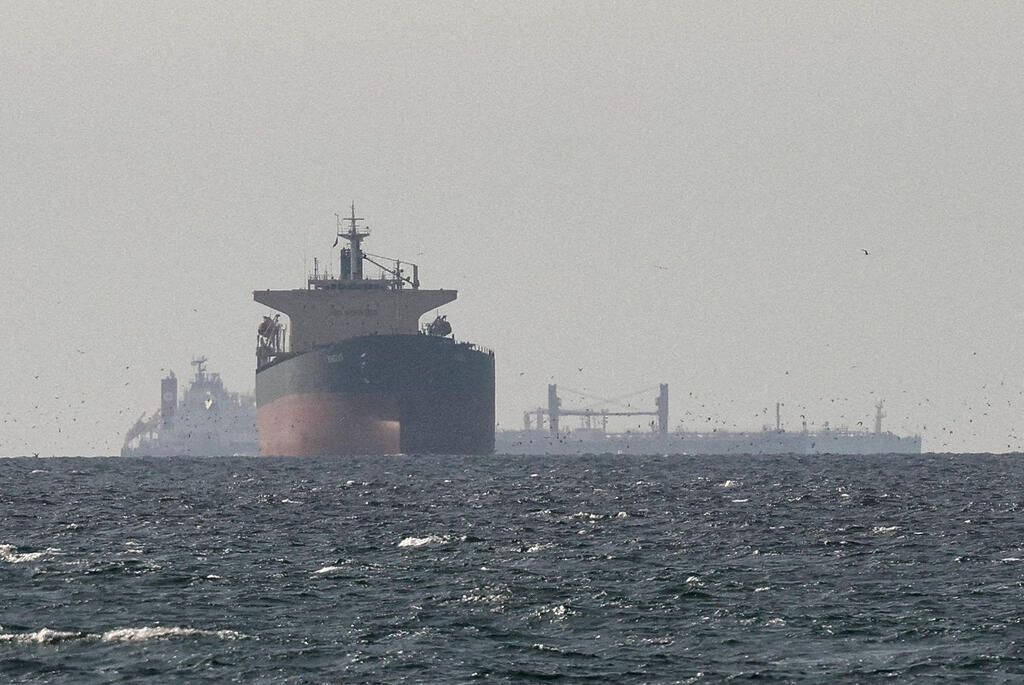
Ships in the Strait of Hormuz
(Photo: REUTERS/Stringer/File )
According to the report, mediators also doubt Iran will agree to Trump’s demand to reopen the Strait of Hormuz before the deadline, raising the likelihood of U.S. strikes on infrastructure targets such as bridges and power plants.
The newspaper said some U.S. officials believe the gaps between Washington and Tehran are too wide to bridge in the time remaining. Iranian officials have told mediators they expect continued U.S. strikes, along with ongoing Israeli air operations targeting senior figures, even if negotiations continue.
The report added that escalation carries risks for both sides. U.S. officials said Trump is eager to end the war but faces domestic pressure, including concerns over rising fuel prices and limited public support for a prolonged conflict. Iran, for its part, risks further damage to its already strained economy and leadership if it refuses U.S. demands.
Legal experts cited by The Wall Street Journal warned that attacks on civilian infrastructure without clear military necessity could violate international law. Trump dismissed such criticism, saying Iranians support such actions.
Diplomatic efforts are continuing through regional mediators, including Egypt, Turkey and Pakistan, which are relaying messages between Washington and Tehran. However, ongoing Israeli strikes — which have targeted senior Iranian officials and damaged communications infrastructure — have complicated efforts to conduct negotiations.
Despite this, U.S. and regional officials say decision-making in Iran is being coordinated through the Supreme National Security Council and senior Islamic Revolutionary Guard Corps leadership, including Ahmad Vahidi, the IRGC’s new commander.
First published: 08:34, 04.07.26