

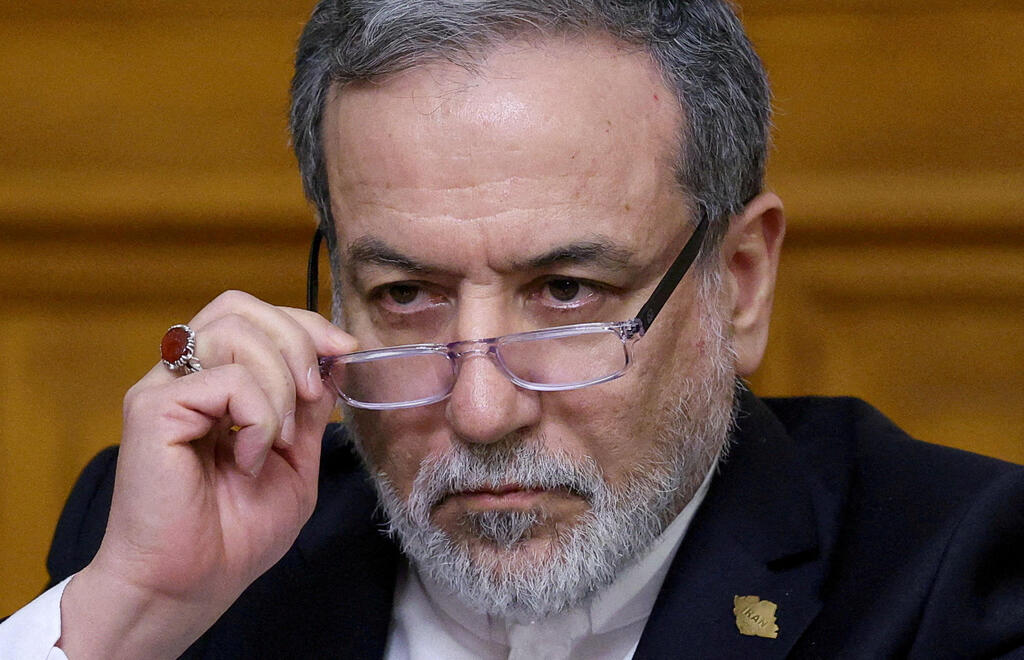
An aide to Iran’s foreign minister said Thursday that Tehran was on the verge of responding to alleged ceasefire violations overnight but was deterred by Pakistani intervention, which conveyed messages that Israel is under U.S. “control.”
In remarks carried by Iran’s Fars news agency, the aide, Saeed Khatibzadeh, said Iran’s delegation would still attend planned talks with the United States in Islamabad. However, he stressed that Washington must halt Israeli attacks in Lebanon “in line with its commitments,” and that any regional agreement must include Lebanon. “The coming hours will be very critical,” he said.
His comments followed a claim early Wednesday by Pakistan’s prime minister that a U.S.-Iran ceasefire agreement also applied to Lebanon, a claim later denied by both Israel and the United States. Since then, Iranian officials have threatened to abandon understandings and resume fighting if Israel does not halt its fire in Lebanon.
A senior Iranian security official told the Tehran Times that “if the attacks against Lebanon do not stop, there will be no negotiations,” adding that ending the war against Hezbollah “has been and will be a key part of Iran’s plan.” He said the scale of strikes in Lebanon had decreased since Iran’s threats overnight and claimed Hezbollah had also inflicted “heavy blows on the enemy.”
Another informed source, quoted by Fars, said a ceasefire in Lebanon is a nonnegotiable precondition for Iran to enter any talks and is explicitly included in a 10-point plan submitted to mediators. “In the context of the ongoing attack on Lebanon, Iran sees negotiations as strategically meaningless and futile,” the source said, adding that there is internal consensus in Tehran that “if the Lebanese issue is not resolved, there will be no negotiations.”
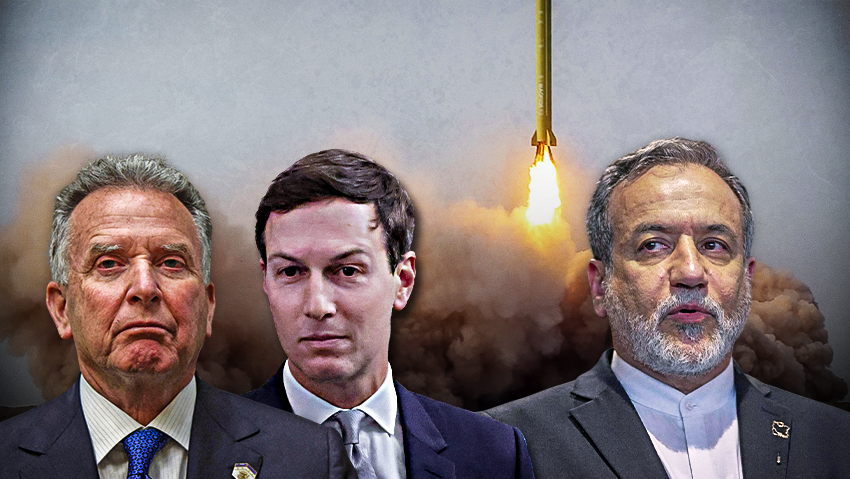
Witkoff, Kushner and Araghchi
(Photo: RS/Dawoud Abu Alkas, REUTERS/Evelyn Hockstein, AP/Hassan Ammar)
Israeli Defense Minister Israel Katz said in response that Hezbollah “is desperate for a ceasefire, and its Iranian patrons are applying pressure and issuing threats out of fear that Israel will crush Hezbollah.” He said the military is prepared to act forcefully if Iran attacks Israel and described a strategy of separating fronts that allows Israel to intensify operations against Hezbollah along multiple lines, including the border area and deeper inside Lebanon.
Lebanese President Joseph Aoun said Thursday, according to Arab media reports, that “the only solution to the current situation in Lebanon is achieving a ceasefire with Israel,” adding that a proposal for a ceasefire and direct negotiations has begun receiving positive feedback.
Iran’s delegation to the expected talks in Islamabad is set to include Foreign Minister Abbas Araghchi, his deputy for political affairs Majid Takht Ravanchi and Supreme National Security Council Secretary Mohammad Bagher Zolqadr. The U.S. side is expected to be represented by President Donald Trump’s envoys Steve Witkoff and Jared Kushner, along with U.S. Central Command chief Gen. Brad Cooper.
Al-Mayadeen, a television network affiliated with Hezbollah and aligned with the pro-Iran axis, reported that the talks between Washington and Tehran are now expected to take place Saturday rather than Friday as initially planned.