


Hamas is facing internal rifts and mounting pressure as it weighs whether to accept a U.S.-backed ceasefire plan introduced by President Donald Trump, which promises humanitarian relief for Gaza but may come at a steep political cost.
Since Trump unveiled his "20-Point Plan," Hamas leadership has hesitated to make a final decision, torn between accepting a deal that could ease the humanitarian crisis in Gaza or rejecting it to maintain its image of defiance and ideological purity. The proposal has already been endorsed by Israel.
Gallery
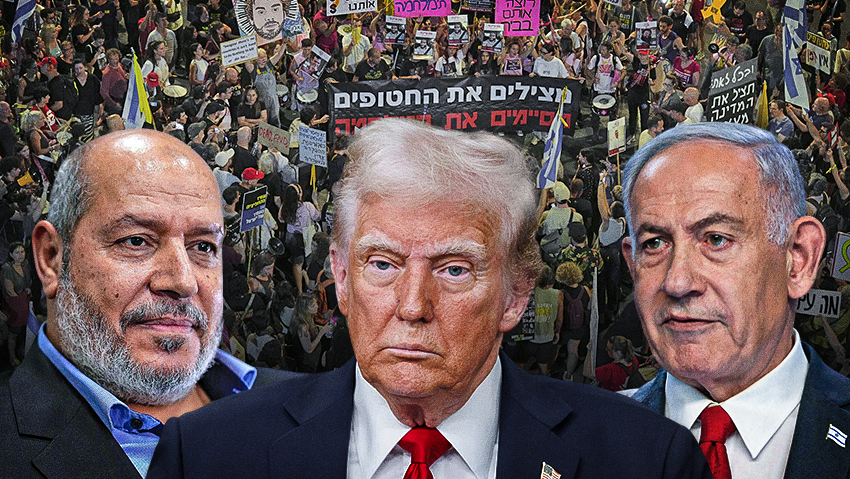
(Photo: AP Photo/Ariel Schalit, AP Photo/Khalil Hamra, REUTERS/Ronen Zvulun, Joshua Sukoff/Shutterstock)
A source close to Hamas leadership told Ynet the organization believes "the war is over" and that its leaders may be willing to accept the U.S. proposal, which includes an Israeli withdrawal from Gaza. According to the source, Hamas views its endurance through two years of "war, occupation and displacement" as a strategic win over Israel’s objectives, and is now considering relinquishing power, agreeing to international oversight, dismantling its offensive weapons and relocating some of its senior figures out of Gaza.
“The declared Israeli goal was to remove Hamas from power and prevent its rearmament,” the source said. “Despite the heavy toll, Hamas withstood the campaign and is now weighing an agreement backed by key Arab and Islamic states.”
A senior Palestinian official noted that Prime Minister Benjamin Netanyahu’s rare public apology to Qatar — a key mediator and financial backer in Gaza — was no coincidence. “Qatar is a central player in ending the war,” the official said. “Hamas is under pressure from Arab states, particularly Qatar, to agree to a deal.”
Trump warns Hamas: Respond in days or face consequences
(Video: C-SPAN)


Trump has given Hamas three to four days to respond. “We’re just waiting for Hamas. Hamas is either going to be doing it or not, and if it's not, it's going to be a very sad end,” he said before departing the White House, adding, “There isn’t much room" left for negotiation.
Should Hamas accept the deal, a phased ceasefire would follow, likely involving deployment of Arab or international peacekeeping forces to Gaza. Implementation could take weeks or months, but the plan promises a partial reopening of crossings, humanitarian aid and initial reconstruction efforts.
However, internal tensions remain. The Popular Front for the Liberation of Palestine and Palestinian Islamic Jihad (PIJ) have already rejected the deal. Fatah, meanwhile, has urged Hamas to accept the plan to spare Gaza further suffering.
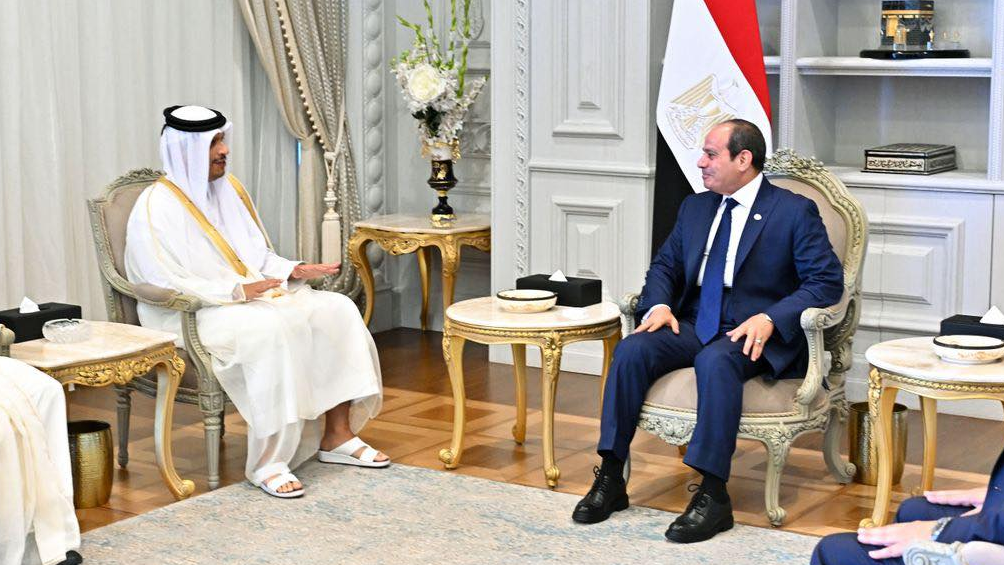
Qatari Prime Minister Mohammed Al Thani and Egyptian President Abdel Fattah el-Sisi
Rejection of the plan could prolong the war and risk Hamas’ standing in the international arena, particularly with Egypt, Qatar and other Arab states. It could also fuel accusations of intransigence at the cost of civilian suffering. Yet, such a move might also bolster Hamas’ image among hardline Palestinian factions and supporters who favor continued resistance to what they see as U.S.-Israeli dictates.
If Hamas refuses, Israeli airstrikes are expected to continue, exacerbating shortages of food, water and medicine. Some Palestinian officials warn that a rejection could also inflame tensions in the West Bank, Lebanon and beyond — a scenario echoed by PIJ leader Ziad al-Nakhalah.
Regardless of its decision, Hamas is likely to pay a price — politically, internationally and among the Palestinian public. In Gaza, civilians anxiously await the outcome, caught between a fragile hope for relief and a fear that the war will only deepen.