

President Donald Trump extended a temporary ceasefire with Iran just minutes before its expiration following hours of White House deliberations, as uncertainty deepened over Tehran’s willingness and ability to negotiate, according to U.S. media reports.
The deadline, set to expire early Wednesday at 2:50 a.m., was communicated by mediator Pakistan, according to The Wall Street Journal. The newspaper reported there had initially been optimism in Washington that last-minute talks could be held in Islamabad after Pakistani intermediaries indicated senior Iranian officials might send a delegation.
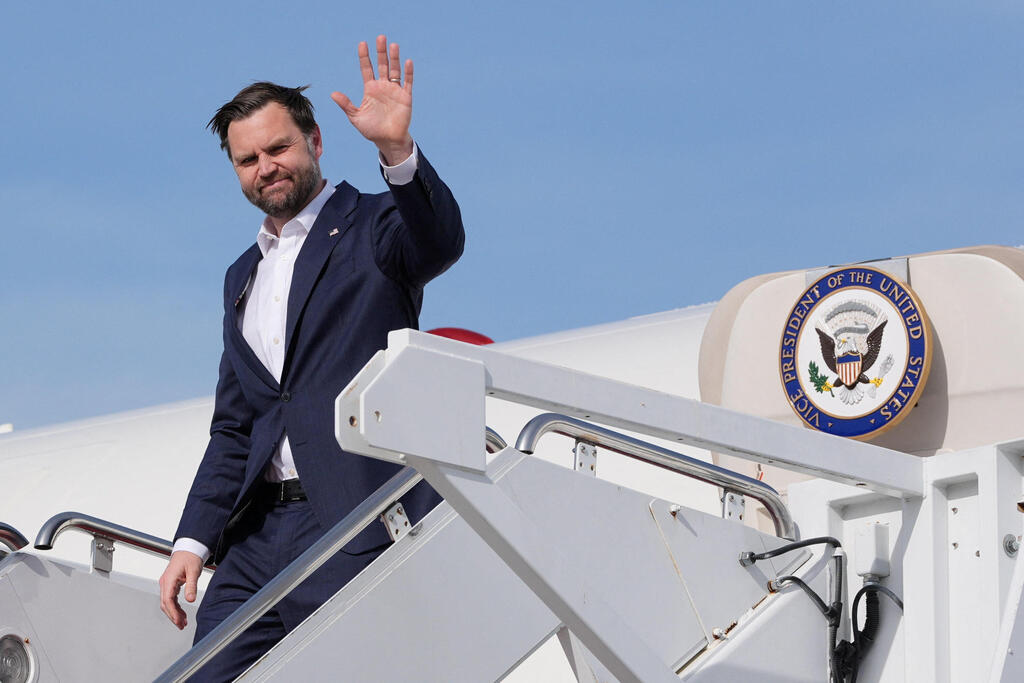
Those plans collapsed when Iran ultimately refused to participate, the Journal reported, despite earlier behind-the-scenes signals of flexibility. A planned trip to Islamabad by Vice President J.D. Vance, along with envoys Steve Witkoff and Jared Kushner, was first delayed and then canceled. Instead, they joined senior defense officials in urgent White House discussions on next steps.
During those meetings, Trump asked advisers whether to resume military strikes against Iran, according to U.S. officials cited by The Wall Street Journal. The officials said Trump appeared wary of a prolonged conflict, which is unpopular with the American public and could hurt Republican efforts to retain control of Congress in the November midterm elections.
One option discussed was maintaining pressure on Iran without a fixed deadline until it presents a formal proposal, the Journal reported. Iran has demanded that the United States lift its naval blockade as a precondition for further talks.
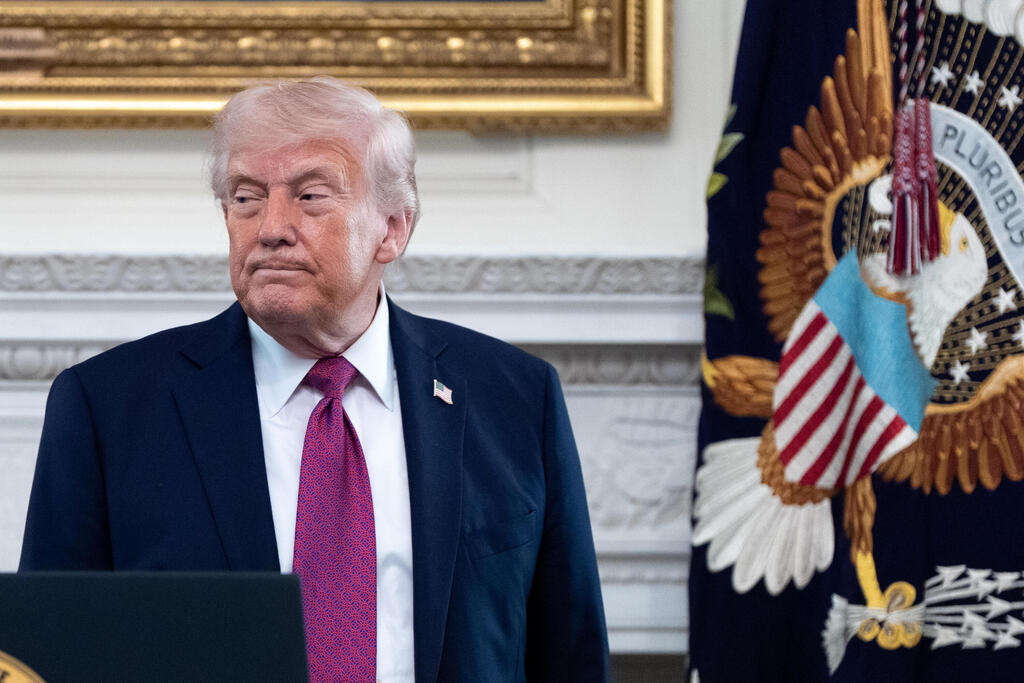
Trump appeared to adopt that approach. After earlier saying he did not want to extend the ceasefire, he later announced it would continue without setting a new deadline. In a post on Truth Social, Trump said the move came at Pakistan’s request and would remain in effect until Iran submits what he called a “unified proposal,” describing Iran’s leadership as divided.
(Photo: Jacquelyn Martin/Pool/Reuters)
U.S. officials said internal divisions in Tehran are a key obstacle. According to The Wall Street Journal, Trump’s advisers told him the Iranian government is not unified and that more hard-line factions are unwilling to compromise. Some participants in the White House discussions also questioned whether Iran can formulate a clear position or uphold commitments under any future agreement.
CNN reported that U.S. officials believe Iran has not responded to the American proposal in part because of those internal divisions, citing three sources familiar with the matter. The assessment is based in part on messages conveyed by Pakistani intermediaries, CNN said.
According to CNN, the U.S. administration believes there is no consensus in Iran on negotiation terms or how much flexibility to give its negotiating team, particularly on key issues such as its stockpile of enriched uranium and future enrichment. Trump has demanded Iran transfer its stockpile to the United States and halt enrichment permanently.
CNN also reported that efforts by Mojtaba Khamenei — who assumed leadership after his father was killed in the opening strike of the war — to remain in hiding over fears of assassination are complicating decision-making. Those efforts are disrupting internal communications, leaving U.S. officials uncertain whether clear instructions have been issued or whether Iranian officials are acting without firm guidance.
Despite the uncertainty, U.S. officials believe talks could still take place, CNN reported. However, Trump’s advisers warned that extending the ceasefire without a deadline risks allowing Iran to delay negotiations.
According to Axios, Trump is prepared to give Iran only three to five days to present a proposal. One U.S. official told the site the process “is not going to be open-ended.”
(Photo: AFP PHOTO / US CENTRAL COMMAND)
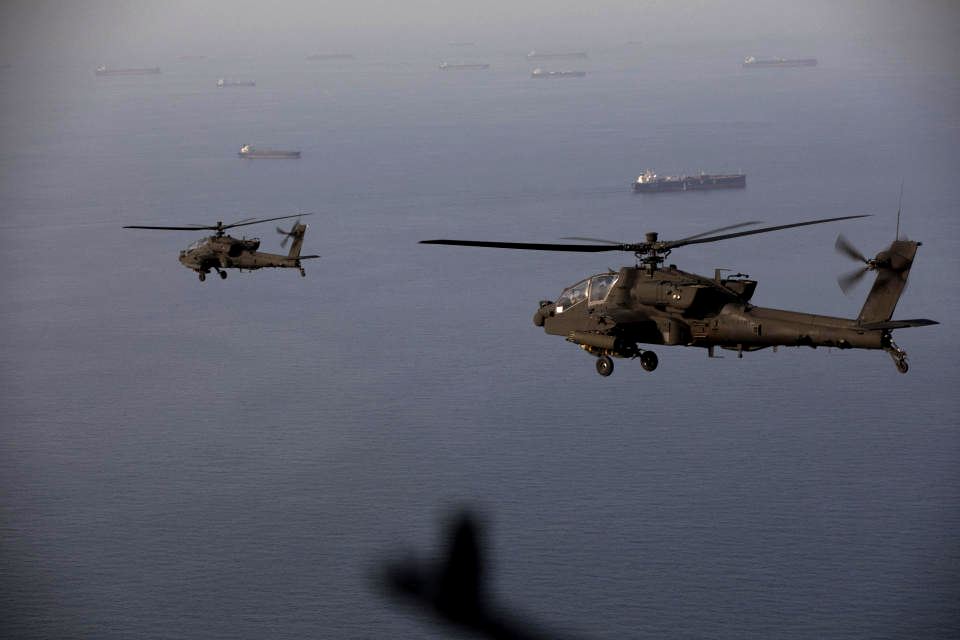
Trump is betting that economic pressure will force Iran to negotiate. The U.S. naval blockade is depriving Iran of hundreds of millions of dollars a day in oil export revenue, according to U.S. estimates cited in the reports.
Iran, however, considers the blockade a violation of the ceasefire and has demanded its removal before talks resume. Mehdi Mohammadi, a senior adviser to Iran’s parliament speaker, said the blockade is “no different from bombings” and requires a military response.
Iran has not formally accepted the ceasefire extension and has not clarified how it will respond.
Tensions escalated Wednesday in the Strait of Hormuz, where Iran’s Revolutionary Guard attacked three commercial vessels, according to Iranian statements. Iranian authorities claimed two ships were seized and taken to shore, though the claims have not been independently verified.
Ebrahim Rezaei, spokesman for the Iranian parliament’s National Security and Foreign Policy Committee, linked the incident to U.S. enforcement of the blockade, saying, “An eye for an eye, an oil tanker for an oil tanker,” and warning of a forceful response.
Analysts warn the situation could become prolonged. Michael Singh, a former senior director for Middle East affairs at the U.S. National Security Council, told The Wall Street Journal the current strategy carries risks and could turn into a drawn-out standoff as Iran continues to withstand pressure on its oil exports.