

International inspectors estimate that Iran now holds about 11 tons of uranium at varying enrichment levels — a stockpile that, if further processed, could be sufficient to produce up to 100 nuclear weapons, according to a report by The New York Times.
The report highlights that the scale of Iran’s overall reserves, rather than only its most highly enriched material, has become a central concern as nuclear negotiations resume. While a smaller portion of the stockpile is enriched close to weapons-grade, lower-enriched uranium can be further refined, making the total volume a key factor in assessing nuclear capability.
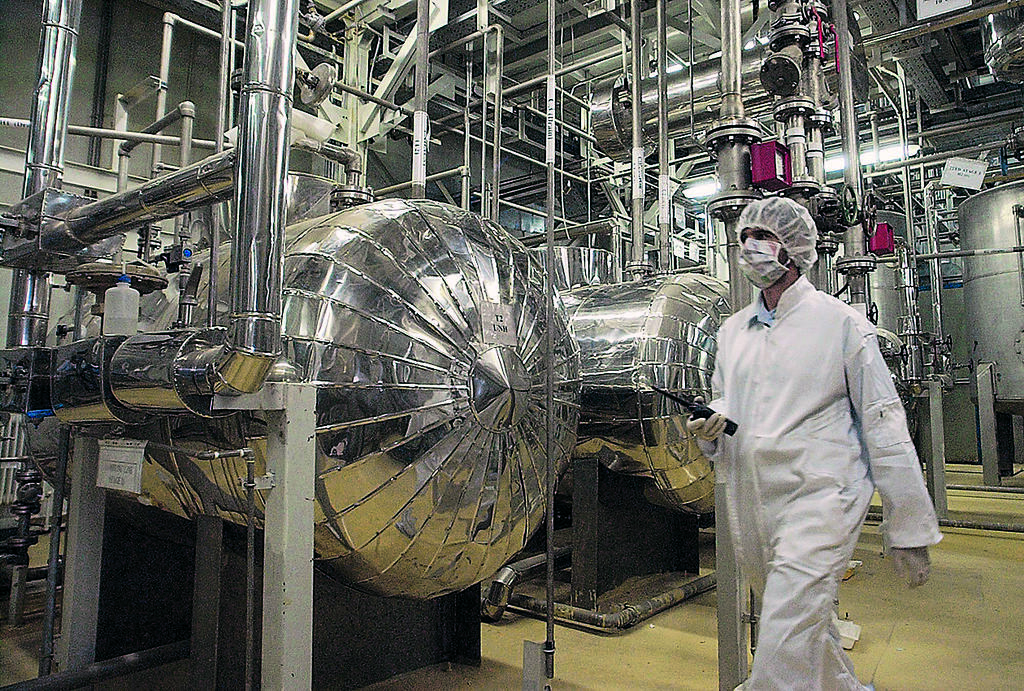
(Photo: AP)
According to the report, the current stockpile represents a sharp increase from the period under the 2015 nuclear agreement, when Iran reduced its uranium holdings by about 97 percent and accepted strict limits on both enrichment levels and total volume. At that time, the remaining material was not sufficient for a single nuclear device.
The expansion followed the U.S. withdrawal from the agreement in 2018 and the reimposition of sanctions. Since then, Iran has increased both the quantity of uranium it possesses and the levels to which it enriches it, with reserves now ranging from low-enriched uranium to material approaching weapons-grade.
The New York Times report notes that estimates of how many weapons could be produced from the stockpile vary widely. Some specialists assess that it could yield several dozen warheads, while others say the potential could be significantly higher, depending on Iran’s technical capacity to complete the enrichment process and weaponization.
The location of much of the uranium remains uncertain, the report adds, with some believed to be stored in underground or fortified facilities, complicating monitoring efforts.
As negotiations move forward, the status of Iran’s uranium stockpile is expected to be a central issue, with potential measures including stricter oversight, limits on enrichment and steps to reduce or remove existing reserves.