


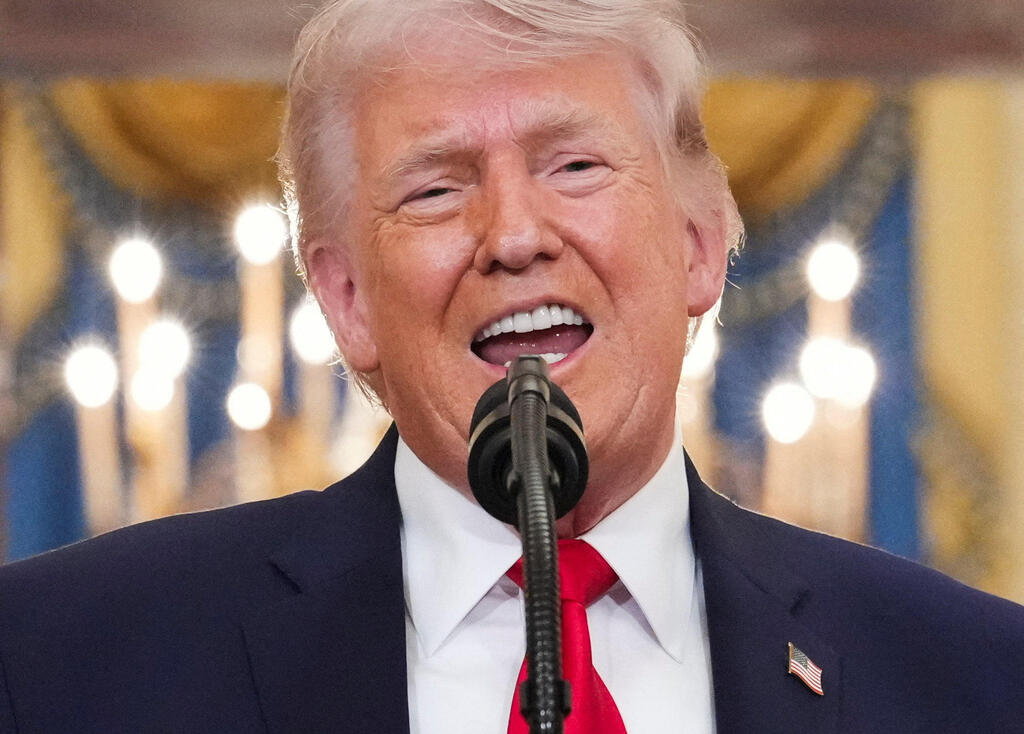
Israel is bracing for a possible major escalation in its war with Iran as U.S. President Donald Trump’s deadline for Tehran to reopen the Strait of Hormuz approaches, with Israeli officials awaiting a possible U.S. green light for strikes on Iranian energy and national infrastructure targets if diplomacy fails.
Trump said Sunday that Iran has until Tuesday at 8 p.m. Eastern time — 3 a.m. in Israel between Tuesday and Wednesday — or face attacks on its power plants and bridges.
The Strait of Hormuz is one of the world’s most important oil chokepoints, carrying about one-fifth of global oil supplies, making the standoff a matter of immediate concern far beyond the Middle East.
Trump’s ultimatum has sharpened fears in Israel that the next phase of the war could expand from military and nuclear targets to the kind of civilian infrastructure whose destruction could deepen the conflict and rattle global energy markets.
Officials in Jerusalem are waiting to see whether Trump allows attacks on Iranian energy facilities, though they are not ruling out a last-minute deal that could avert an escalation. Israeli officials fear that any such agreement could leave Iran room to recover from the damage it has already sustained and rebuild key capabilities.
Diplomatic efforts to head off that scenario have intensified. Egypt said Sunday that Foreign Minister Badr Abdelatty held separate talks with Trump envoy Steve Witkoff and regional counterparts, including Iranian Foreign Minister Abbas Araqchi, as part of a push for de-escalation.
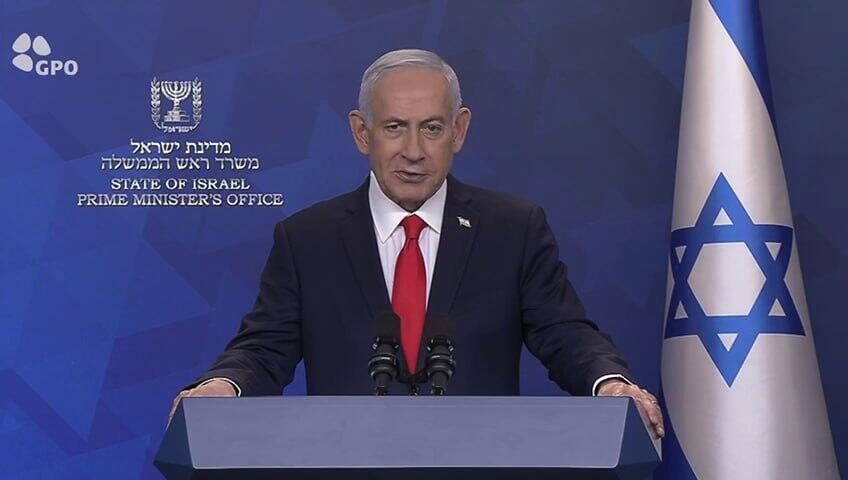
Prime Minister Benjamin Netanyahu
(Photo: GPO)
Mediators from Pakistan, Qatar, Egypt and Turkey are pressing for a formula that could stop the fighting or at least produce a temporary ceasefire, while Witkoff has remained in direct contact with Araqchi. But the diplomatic push has so far failed to produce a breakthrough.
The Wall Street Journal reported that Turkish, Egyptian and Pakistani mediators were racing to bring Iran back to the table, but that Tehran had rejected a proposal to reopen Hormuz in exchange for a temporary ceasefire and declined to meet U.S. representatives in Islamabad in the coming days.
Israeli officials assess that Iran’s Revolutionary Guard is unlikely to accept U.S. terms, which are seen in Tehran as tantamount to surrender, but they also believe Trump is still leaving a narrow window for negotiations.
A senior Israeli security official said the defense establishment was on edge ahead of the deadline and that officials were still uncertain whether a sudden diplomatic pause might emerge. The official said Israel hoped mediation would fail, expected that it would, and was prepared in that event to attack what were described as heavy targets.
Israeli officials believe strikes on Iran’s infrastructure and energy sector could accelerate pressure on the government in Tehran, bringing about its potential collapse, and make it far harder for Iran to restore its nuclear and missile programs. But they are also weighing the likely cost of such a move: Iran has threatened retaliatory attacks on infrastructure and energy sites in Israel and across the Gulf.
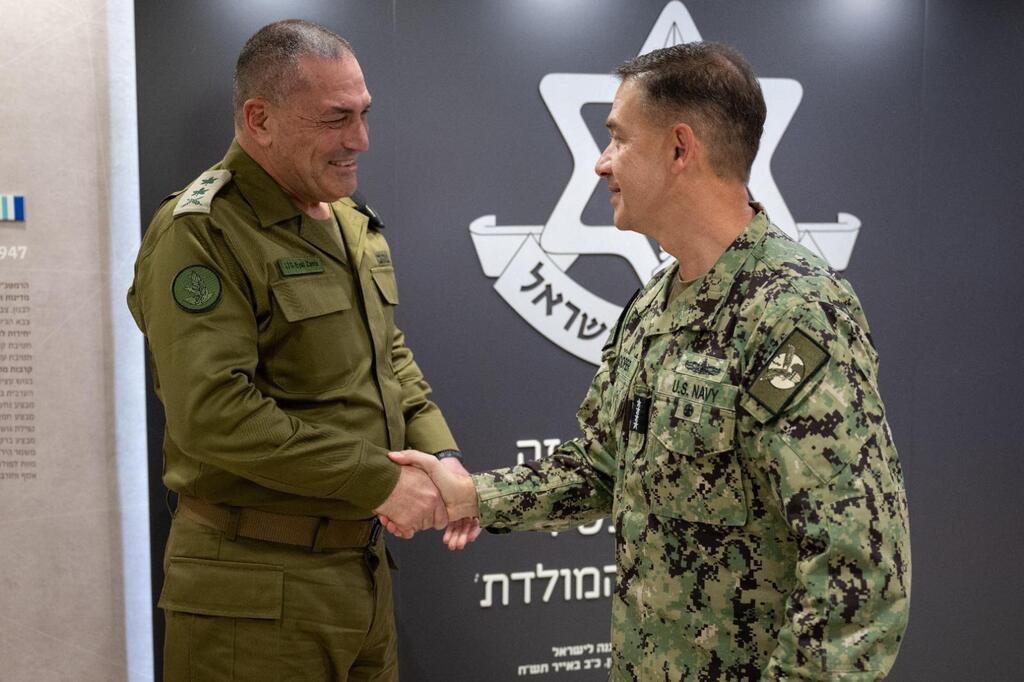
IDF Chief of Staff Lt. Gen. Eyal Zamir and US Central Command chief Admiral Brad Cooper
(Photo: IDF)
If Trump carries out his threat, Israeli officials expect the war to last longer and the chances of a negotiated reopening of Hormuz to diminish sharply. A list of possible energy and infrastructure targets has already been coordinated between IDF Chief of Staff Lt. Gen. Eyal Zamir and U.S. Central Command chief Admiral Brad Cooper, and officials are now waiting for Trump’s decision.
Israeli officials also believe that if the conflict escalates in that direction, the chances of eventual U.S. ground action in Iran would rise. They say the successful U.S. rescue of two downed American airmen in Iran has increased Trump’s confidence in the campaign and may encourage riskier moves.
The security Cabinet is expected to meet overnight for briefings on preparations for the next stage of the war, as officials confront the possibility that Trump’s deadline could mark the start of a far broader assault on Iran’s infrastructure — and a new phase in a conflict already reshaping the region.