

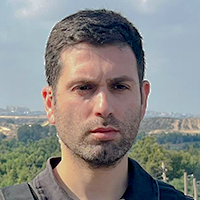
For Capt. A., a 26-year-old Israeli Air Force drone operator, a Saturday afternoon that began as a routine operational shift ended with the targeted killing of one of Hamas’ most senior commanders and a casual evening watching soccer with friends.
Speaking with ynet, Capt. A. described how he was assisting ground forces near Khan Younis after two Israeli soldiers were lightly wounded by an explosive device when he suddenly received a change of mission.
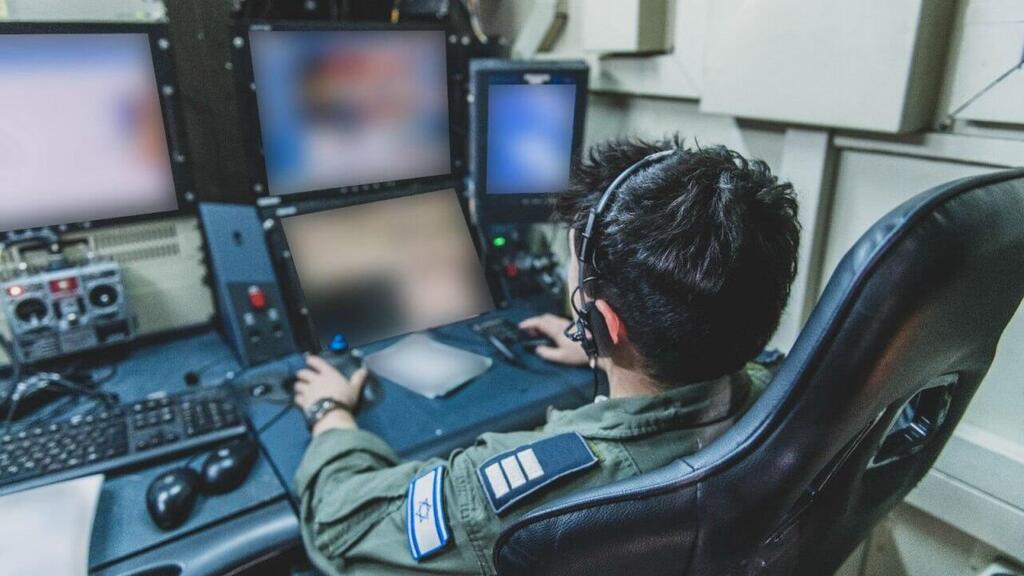
“Within minutes, I was told to leave the area and fly north, west of Gaza City, to eliminate Raad Saad,” he said.
Saad, Hamas’ second-in-command and head of operations in its military wing, had been tracked by Israeli intelligence for months. Capt. A. said he was not briefed in advance and received no early indication that the mission would arise that day.
“I knew who he was and how much blood he had on his hands from October 7,” he said. “I also understood very quickly that the time window would be short, so everything had to be done fast and precisely.”
Saad was traveling in a Skoda jeep in a neighborhood that had seen relatively limited fighting. Several Israeli drones were already monitoring the vehicle, but Capt. A.’s Zik unmanned aircraft was assigned to carry out the strike.
Footage from the Raad Saad killing
(Video: IDF)


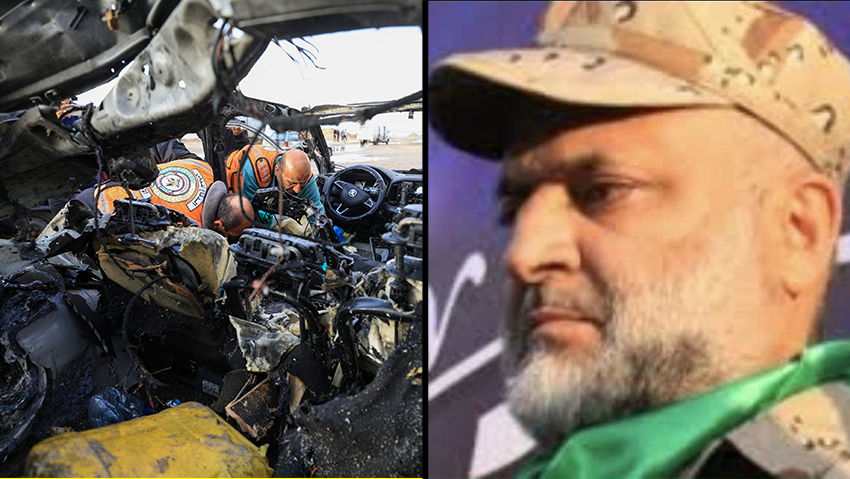
Hamas second-in-command Raad Saad
(Photo: Dawoud Abu Alkas/ Reuters)
“There was a very strong intelligence lock, not just from the air,” he said. “Once the final authorization came, I had only minutes to choose the exact moment. I was instructed to cause minimal collateral damage.”
Despite other vehicles traveling nearby, the missile fired was highly precise. “Only those inside Saad’s jeep were hit,” Capt. A. said. Saad and three other senior Hamas terrorists were killed.
Immediately after the strike, Capt. A. returned to supporting forces near Khan Younis. Confirmation of Saad’s death came shortly afterward. His shift ended at 4 p.m.
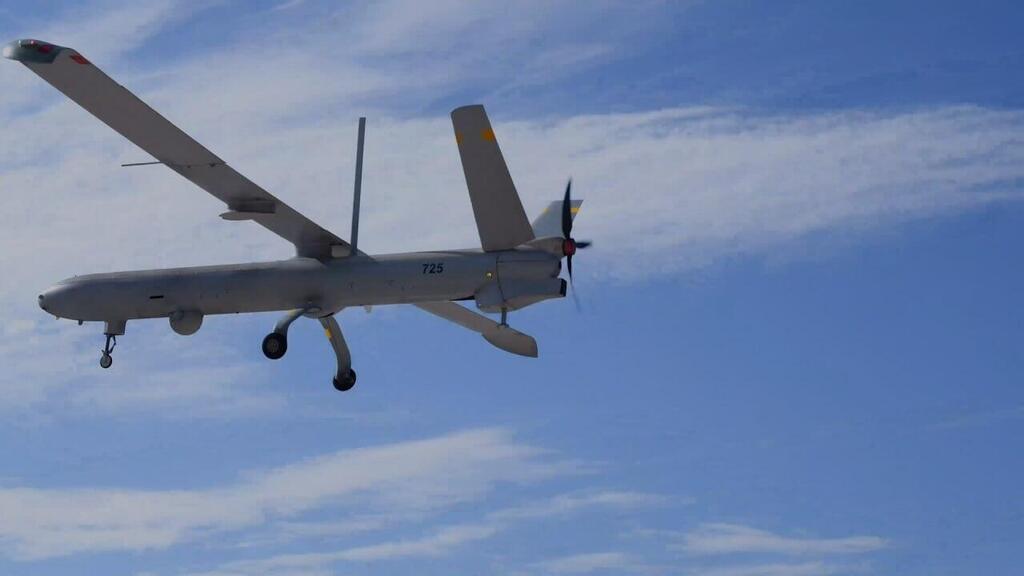
An IDF drone
(Photo: IDF)
The scene of the strike
“I spoke with my teammates about the feeling of pride and satisfaction from the mission,” he said. “Then I went home to Tel Aviv, ate hamburgers with friends and watched soccer on TV.”
Capt. A. said the contrast between the gravity of the mission and the normality that followed has become familiar during the war. Despite his relatively young age, this was not his first targeted killing.
“These opportunities don’t come often,” he said. “They are always time-sensitive and complex. But we remind ourselves why we carry out these missions and how important they are.”