

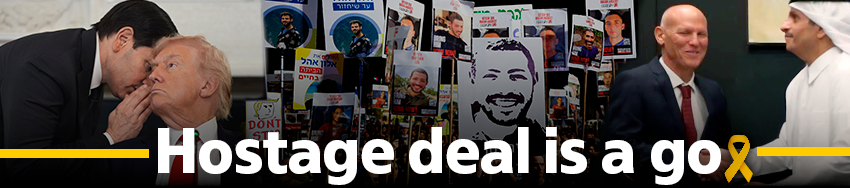
“As news of the hostages’ return began to arrive this week, my heart trembled,” said Yael Nizri, whose son Maj. Guy Nizri was killed at the start of the war. “It trembled with deep joy for the families, with emotion for an entire nation—but also from another place: from the pain I carry, which never lets go.”
“My son, my Guy, won’t return. He fell in this cursed war, protecting his soldiers and all of us,” she said. “While others return to their families, we mark the days he’s no longer here—the first year without him, the holidays, his birthday. The silence he left behind still screams.
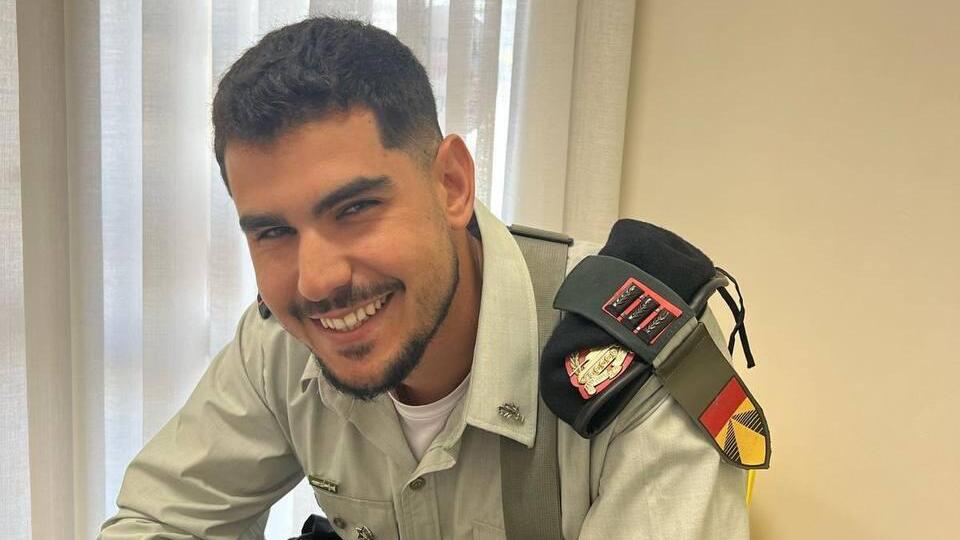
“I look at photos of the hostages—children who saw horrors, teenagers who went through hell—and I think of Guy. He was a child once, too. He dreamed, loved, smiled, believed in good. He fought for their return. Guy used to say, ‘I think of the hostages every day’—but he didn’t come back. So when I hear of their return, I feel like we all get a piece of ourselves back. But I also ask that we not forget the cost: the sons and daughters who will never return. My Guy. His light.”
“We continue to act, to commemorate, to launch initiatives. To embrace young people and communities, and stitch together hope with unity. Because that’s what Guy would do—look for the good, even when the world cracked. I’m thrilled and moved for every family that’s getting their loved ones back—alive or fallen—and I embrace with a full heart all those who, like me, feel someone will always be missing.”
'The war ends thanks to the heroes who fell'
Ofer, the father of Staff Sgt. Omri Peretz, who was killed fighting Hamas terrorists during the October 7 attack, said the moment is filled with conflicting emotions.

Staff Sgt. Omri Peretz and his parents
(Photo: Courtesy of the family)
“There’s joy mixed with pain,” he said. “We’re happy the hostages are coming home, but we deeply mourn the loss left behind by our sons.”
Ofer, a resident of Elyakhin, shared that Omri, a paratrooper commander, was among the first to deploy to the Gaza border that morning. “On the hardest day this country has ever known, they fought at junctions, neutralized terrorists and rescued a hostage from a car trunk. They were literally fighting for our home.”
“In Kissufim, during the final battle of the Paratroopers' 101st Battalion, Omri and his brave soldiers stopped the terrorists from entering the kibbutz. They saved lives. Alongside Omri, five others fell: Regev Amar, Bar Yankilov, Matan Malka, Lavi Buhnik and Adam Agmon. Their commanders were wounded leading by example.”
“These hostages are coming home thanks to the soldiers who fell, and those who’ve fought for more than two years. On June 24, we also lost Omri’s cousin, Niv Radia, in the Puma disaster. The story of our sons depends on us—we’ll keep telling it. We’ll remind everyone, every single day, why and thanks to whom we all wake up—and why the hostages are returning.”
'I’m overwhelmed—but I know Lior is smiling from above'
Sgt. Lior Siminovich of Herzliya was killed in October 2023 during a Namer APC disaster that claimed the lives of 11 soldiers. His mother, Yafit, reflected on a school assignment he once wrote:
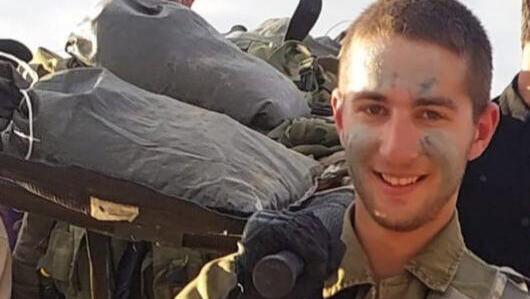
Sgt. Lior Siminovich
(Photo: IDF)
“In a time management workshop in 12th grade, he wrote: ‘The values that guide me in life are: don’t harm those who haven’t harmed me—unless I’m harmed first; help those who truly need it; take life lightly because everything eventually passes; and never give up on what I want, even if it’s hard.’”
“Lior was in the first Namer to enter Gaza. He fought bravely for the hostages’ return. This morning, I woke up, checked my phone and saw post after post celebrating their return. It was a storm of emotions. Joy mixed with deep sorrow and pain.”
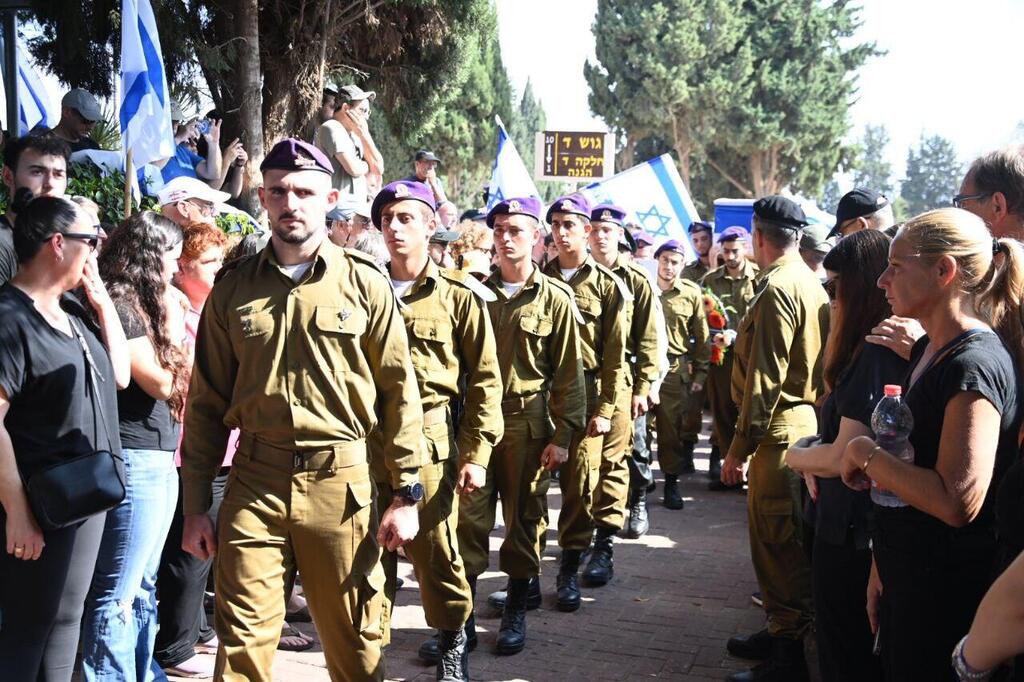
Siminovich's funeral
(Photo: Yair Sagi)
“On one hand, I’m so happy and excited for the hostages’ return. I always supported it from the start. I’m sure he’s smiling that shy, perfect smile from above. But on the other hand, I’m burning inside. I’m crying, because Lior didn’t come back—and never will. He fought and died for them, but didn’t live to see this joyful day he so deeply deserved.”
'I tried to feel only joy, but the pain crept in'
Lior Shani, who lost her husband, Sergeant Major (res.) Adi Shani, in combat in northern Gaza in December 2023, shared an emotional message as news broke of the hostage deal.
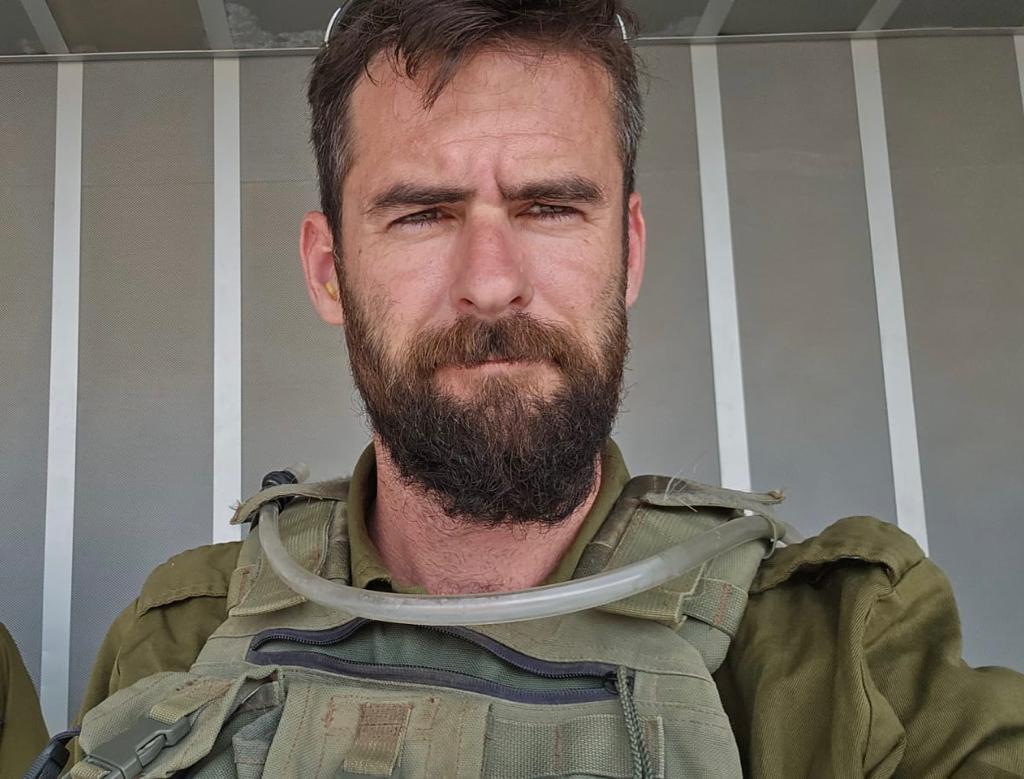
Sergeant Major (res.) Adi Shani
(Photo: IDF)
“My love,” she wrote, “I woke up this morning to cloudy skies—just like the day your soul left us. But this time, the smell of rain in the air brought something else with it: hope, a new optimism. I picked up my phone and saw the amazing news: all the hostages are coming home. My heart filled with real joy. With the rain, I felt something shift—like renewal. Maybe, just maybe, the war is ending. I wanted to shout to you, to tell you, to make you proud.”
“You are an inseparable part of this joy, of the hope that perhaps there will be quiet now, at least for a while,” she continued. “Our older daughters called from their army base, asking excitedly, ‘Mom, is this real? Does this mean we won the war?’ My love, I explained to our wise daughters that there are no true winners in war. But there is hope—for a better future, one we must now build.”
“I wanted to stay only in the joy,” she wrote. “They deserve that. But as the day went on, my pain crept in uninvited. I tried to reason with it, to tell it this wasn’t its time, that now was the time for joy. But my pain doesn’t ask for permission. I’ve learned to give it space, to listen and to let it pass.”
“Even in the joy, there's a hard truth: this terrible war will end, the hostages will return and a nation will begin to heal. But you won’t return from the reserves. I know this every day, every minute—but in moments like this, it hits harder. The country will return to normal, but our normal is forever missing you. My love, though you’re not coming back—and the pain and absence are enormous—I am still happy. Happy for lives returning, for hope rising again. I choose to believe that you see and are proud of yourself, of your part, of us and of our choice to keep living, hoping, continuing.”
“The rain fell today, and our green forest will grow again with that hope and optimism. I’ve come to accept this duality in my life: I can hold both joy and grief. I can be happy for others while still remembering. That, too, is my way of honoring you and your memory.”
'It wasn’t the square that brought the hostages back—it was the fallen, the wounded and the warriors'
Noam Urbach, whose son Sgt. Yishai Elyakim Urbach was killed in Rafah in May, spoke forcefully about the true cost behind the hostages' return.
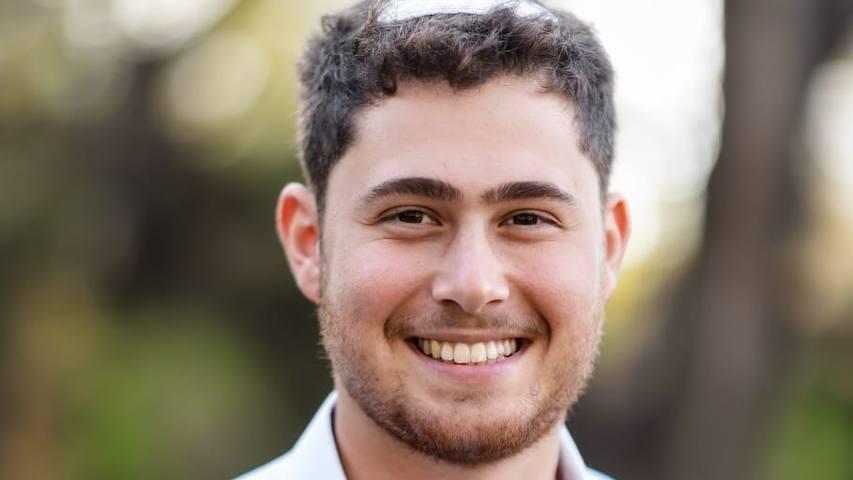
Sgt. Yishai Elyakim Urbach
(Photo: IDF)
“Since the ground invasion began, 466 IDF soldiers have been killed in Gaza—among them, my beloved son. It's both strange and infuriating to hear some people patting themselves on the back, as if their protests and highway blockades brought about the end of this military operation and the hostage deal. Absolutely not.”
“It was the heroic soldiers who fought and killed our enemies, who pushed them back, who destroyed the infrastructure used to murder us—they brought about this outcome. Not the roadblockers.”
“I say ‘foolish’ because only a fool believes that disrupting life in Israel pressures Hamas to give in or compromise. I echo the words of bereaved mother Iris Haim: celebrate in your homes, not in the city squares. And I’ll add this: it wasn’t Hostages Square that brought the hostages home. It was the fallen, the wounded, the fighters and millions of reserve days. The square already did its damage. Now, it’s time for it to disperse and let the families quietly rejoice.”
“In the Yom Kippur War—so often cited now—the POW exchange happened long after the war’s end, and no one dared call it a victory. Likewise, today, the return of the hostages is not a victory. What we gave in exchange is a reward for the massacre, the rape and the kidnappings of Simchat Torah. And the result? Increased motivation on the Arab side to plan the next kidnapping—this time maybe not from Gaza, but from Qalqilya, Tulkarm or Jenin.”
“On the night of Simchat Torah two years ago, Yishai’s yeshiva sent all the students home. Reeling from the disaster, he told me he was ‘dying’ to get a weapon and fight. A few months later, he joined a combat engineering unit and fought in Gaza, in Lebanon and back again in Gaza. On May 20, he went out with his unit for another mission in Rafah. His commander was wounded by an anti-tank missile. While applying a tourniquet, another missile hit and Yishai was killed instantly.
“He and his comrades went to fight the enemy and defeat them—not to sign a deal with them. Certainly not one that paves the way for the next massacre and further justifies the enemy’s ongoing war against our very existence.”