

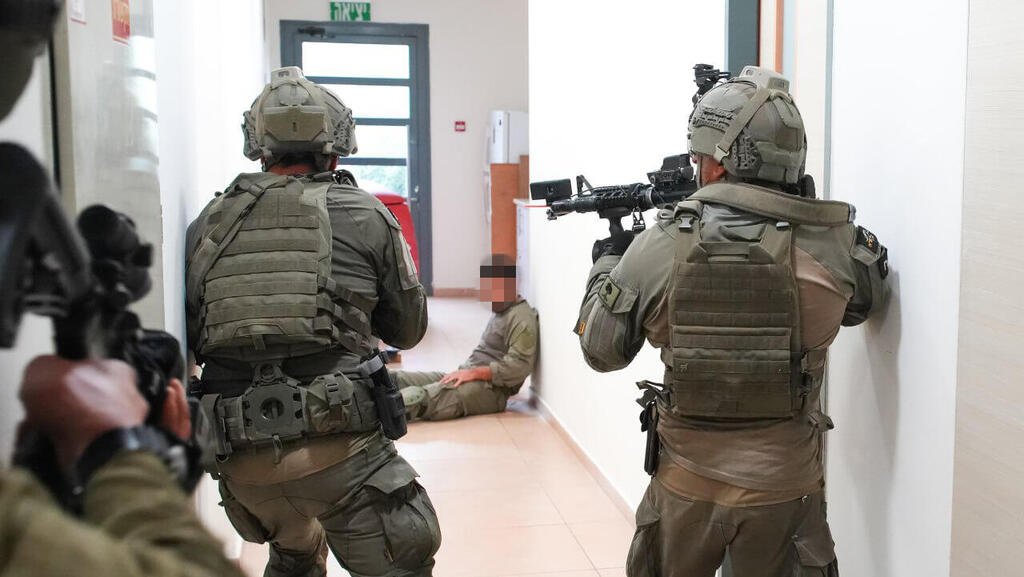
At 7:45 p.m., the forward team of the IDF’s “Pereh” unit stormed the dining hall of the Regavim yeshiva, where “hostages” were being held as part of a drill. On their way in, the reservists, all residents of the Golan Heights, passed a memorial board honoring the school’s alumni. One of them is Staff Sgt. Neria Ben-David, a platoon commander in the 603rd Combat Engineering Battalion who was killed at Kibbutz Be’eri on October 7.
L., Neria’s brother, now serves in Pereh, the Bashan Division’s immediate response unit. His second daughter was born days earlier, so he did not take part in last week’s unit exercise in the moshav of Natur.
Footage from the Pereh unit drill
(Video: Yoav Keren)


On the morning of October 7, Neria was stationed in the southern Hebron Hills. “He headed south with his battalion commander in two jeeps,” said L., 26. “They fought at the Yad Mordechai junction, Netiv HaAsara and Alumim. In the end they reached Be’eri. My brother saved many families and killed quite a few terrorists.”
Nearly 300 kilometers (185 miles) separate the Golan Heights from the Gaza border communities. Lt. Col. (res.) Y., now commander of Pereh, made that drive on October 7. A 38-year-old father of five from Hispin, he grew up in the elite Duvdevan unit and later served in one of Military Intelligence’s operational units.
“On October 7, I wasn’t assigned to any reserve unit,” he recalled. “I left home at 9 a.m., started heading south and by noon joined Duvdevan in Kfar Aza.”
During the battle for the Young Generation neighborhood in Kfar Aza, Master Sgt. (res.) Omri Michaeli, a veteran Duvdevan fighter whose photo wrapped in an Israeli flag after he was wounded in the 2014 Gaza war became iconic, was killed.
“Omri and I served together for many years,” Y. said. “In June 2024, our fifth son was born. My wife and I decided to hold the brit milah in Kfar Aza, and that his grandfather would be Mickey, Omri’s father. His mother, Rina, was also there. We named our son Nir Oz,” after another Gaza border kibbutz attacked on October 7.
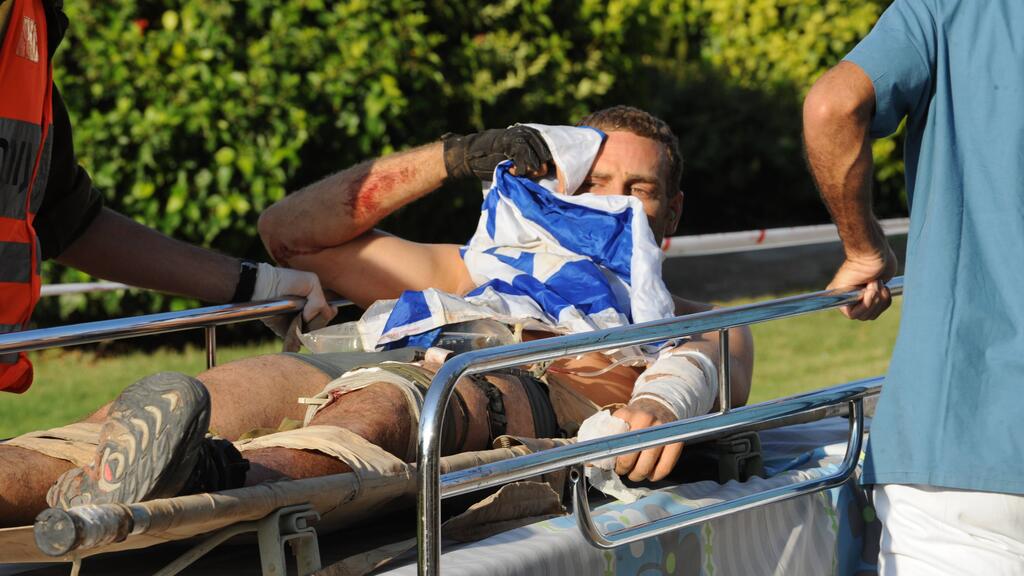
Omri Michaeli salutes after being wounded in Operation Protective Edge
(Photo: Israel Yosef)
In the early months of the ground offensive, Y. fought in Gaza with Duvdevan. “One weekend in February 2024, I came home on leave but couldn’t sit still,” he said. “I went to the division to help plan an operation. The regional defense officer saw me and said, ‘We’re setting up a new unit in the Golan Heights and looking for a commander. Want to interview?’”
Lt. Col. N., the regional defense officer for Division 210, described his role as “the army’s representative to the residents and the residents’ representative to the army.” About 52,000 people live in the Golan Heights, roughly half Jewish and half Druze. The division, commanded by Brig. Gen. Yair Peli, who led the Golani Brigade on October 7, is responsible for their security.
“Following October 7, the ‘Meshiv Haruach’ plan was created to strengthen local defense across all sectors,” N. said. Community emergency squads were upgraded into infantry-style defense platoons, and in Katzrin into a full company. In addition, each regional division was instructed to establish an immediate response unit. “This is the strongest and most significant fist the division can deploy against a sudden incident in a community,” he said.
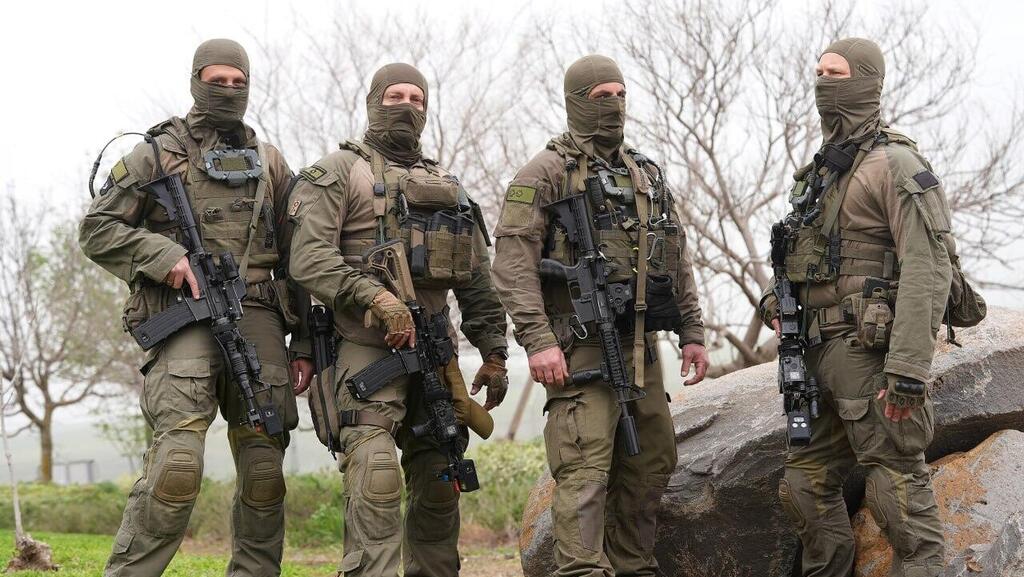
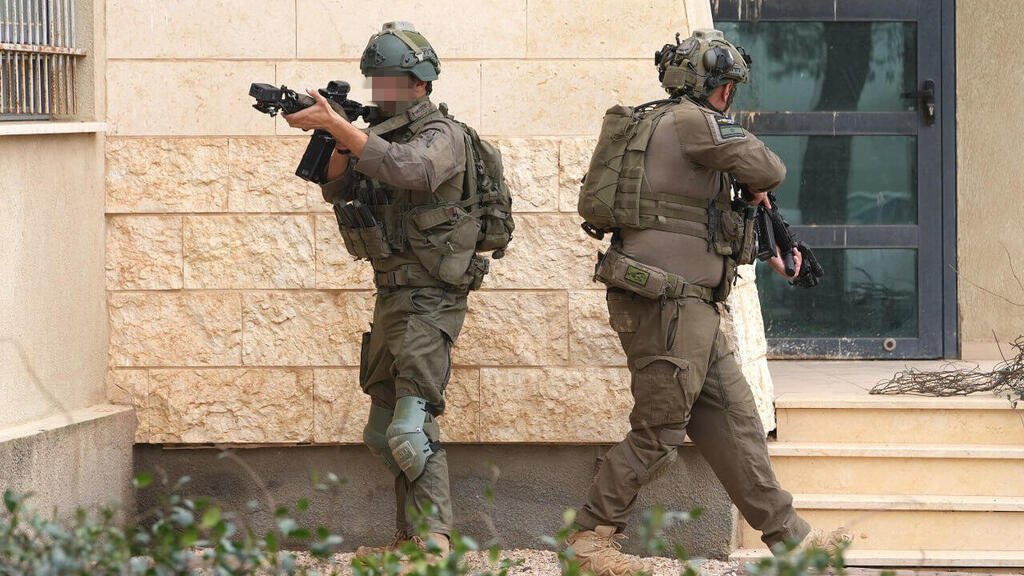
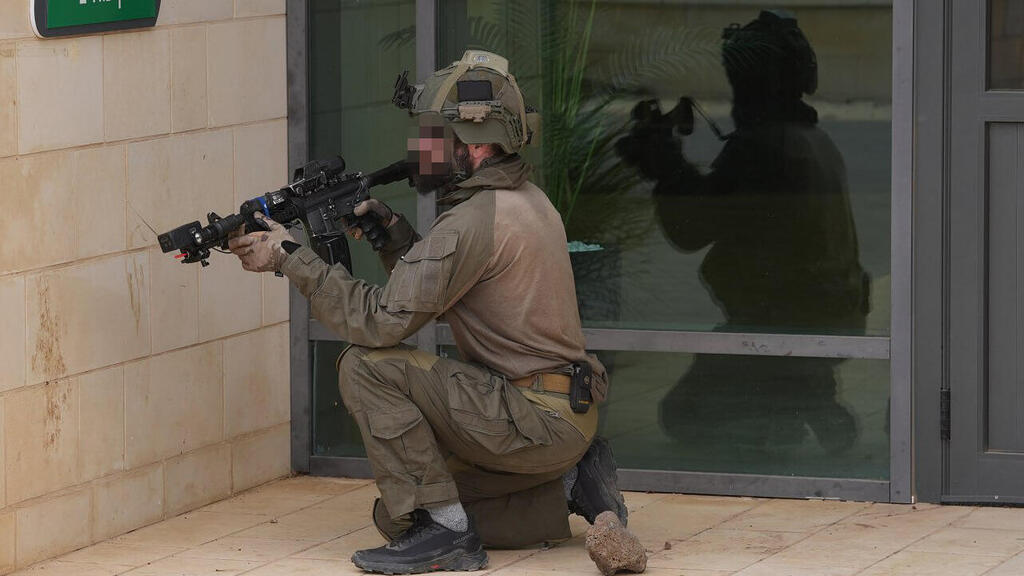
Pereh became operational in September 2024. All its fighters and commanders live in the Golan Heights. They are veterans of elite units such as Duvdevan, Maglan, Egoz and reconnaissance units, as well as regular infantry battalions. Some served in top-tier units including the Navy’s Shayetet 13 and the Air Force’s Shaldag.
(Photo: Efi Sharir)
(Photo: Efi Sharir)
(Photo: Efi Sharir)
(Photo: Efi Sharir)
Because the sector is vast, companies and teams are organized geographically: southern, central and northern Golan. A specialized “Roma Team” serves as the unit’s reconnaissance element.
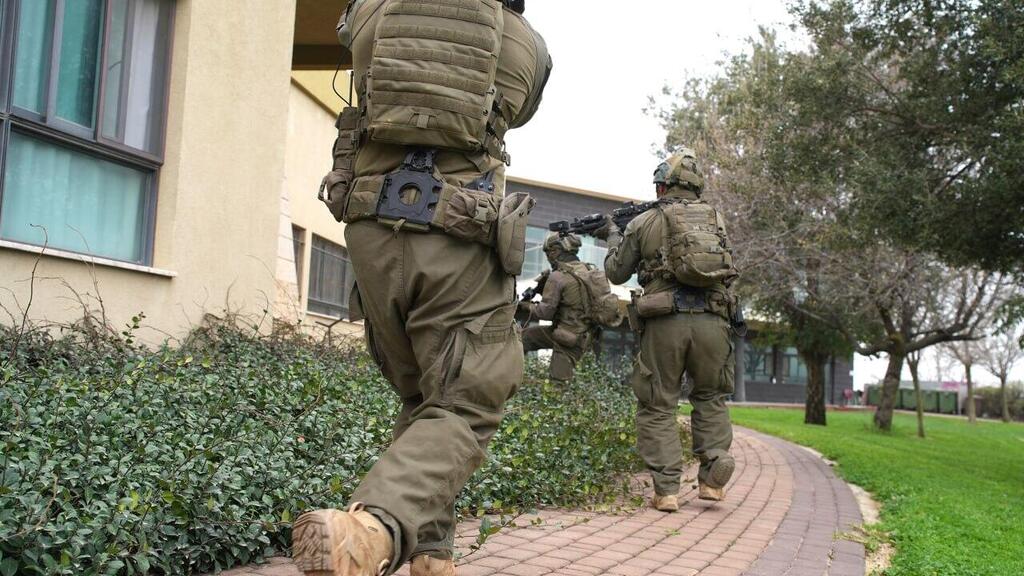
“You build yourself to be a buffer between the enemy and civilians, and that has many implications,” Y. said. “The leading title is local fighter. First is availability, to arrive as quickly as possible and link up with the community defense platoon. Second is commitment. In the end, you’re defending your home. Third is familiarity with the terrain and population.”
Availability is critical, said Capt. A., a team commander. Fighters update their status daily to indicate whether they are in the sector, within an hour’s drive or outside the area.
(Photo: Efi Sharir)
(Photo: Efi Sharir)
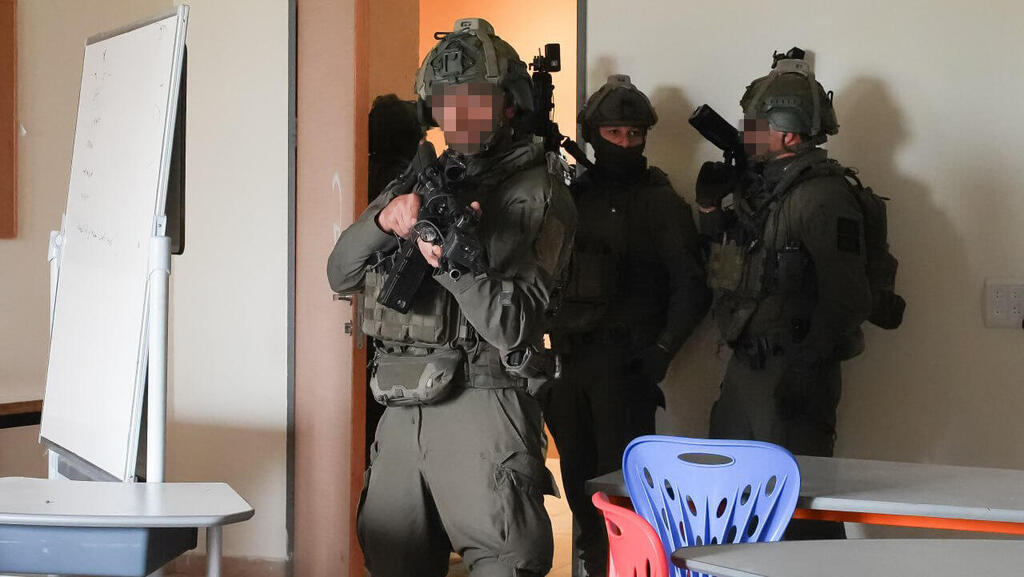
(Photo: Efi Sharir)
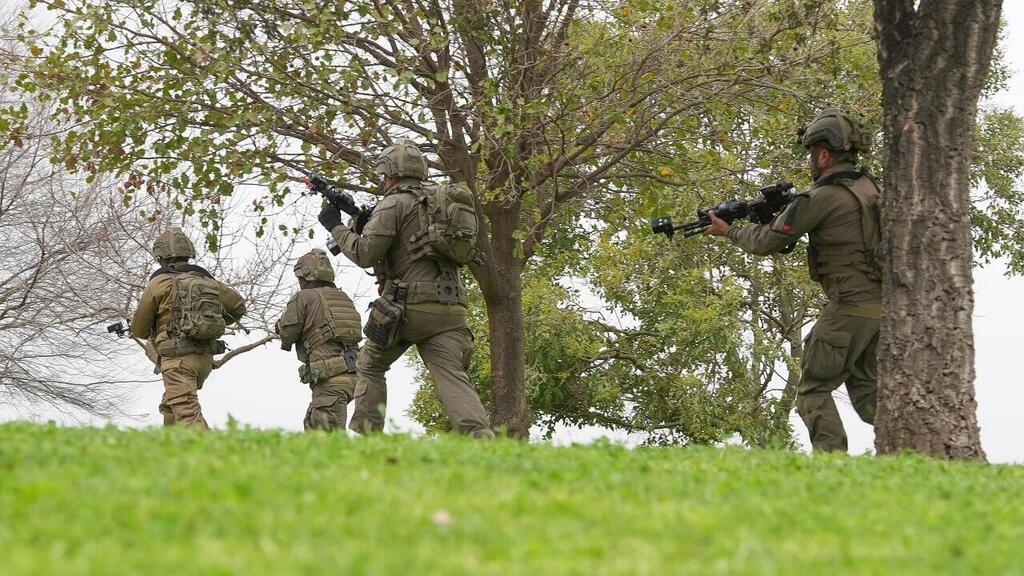
(Photo: Efi Sharir)
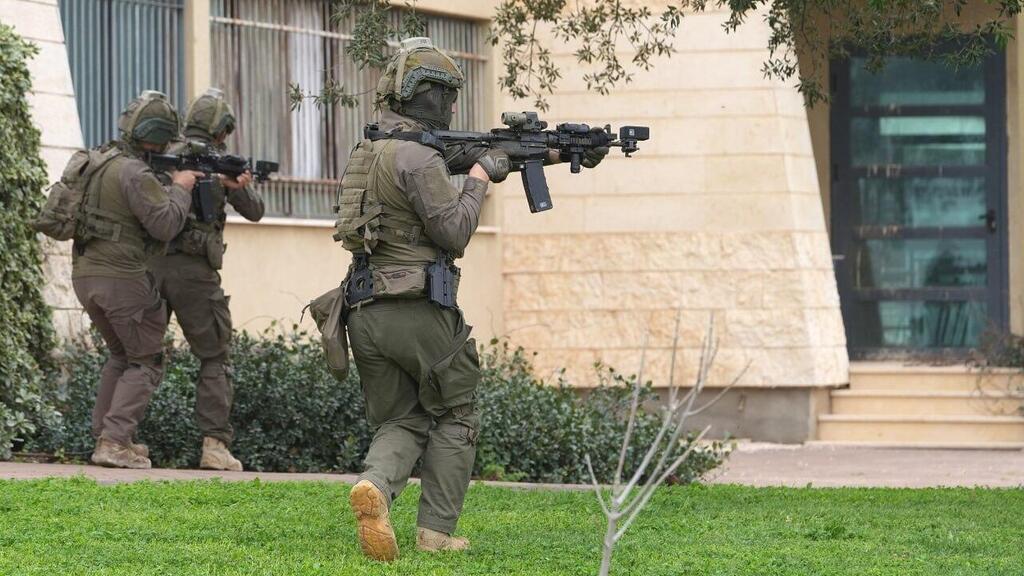
(Photo: Efi Sharir)
Maj. A., 34, a father of four from Katzrin and a former Duvdevan fighter, joined Pereh after serving in Gaza as a reserve officer. “I heard they were establishing a new unit in the Golan, got excited about the idea and made the move,” he said.
D., 42, a father of three from the moshav of Kanaf and a former Egoz fighter, was in the United States for work when the war broke out and returned within days to report for reserve duty.
“As a Golan resident and a father, I feel much safer today,” he said. “On October 7, I was stressed knowing my family was here and that if something happened in the north, no one would be protecting them. Today I know that even if I’m abroad, someone will.”
Golan Regional Council head Uri Kellner, a former deputy commander of the 55th Paratroopers Brigade, said he sleeps better but remains wary.
“The enemy is smart,” he said, warning of potential threats from Syria. “On October 7, I told myself: I will not let something like that happen in the Golan Heights. Never again.”
Five days after his brother was killed, L. was informed of Neria’s death by his company commander. He debated whether to attend the funeral. “On one hand, it hurts terribly. On the other, entire families were murdered and we have to fight,” he said.
Despite his loss, he insisted on entering Gaza with his reserve brigade but later transferred units after consulting his rabbi, to avoid causing further anguish to his mother, who suffered cardiac arrest during the mourning period and survived.
“I was very frustrated that my friends were fighting and I wasn’t,” he said. “Then I heard about Pereh. I said, ‘OK, let’s try.’”
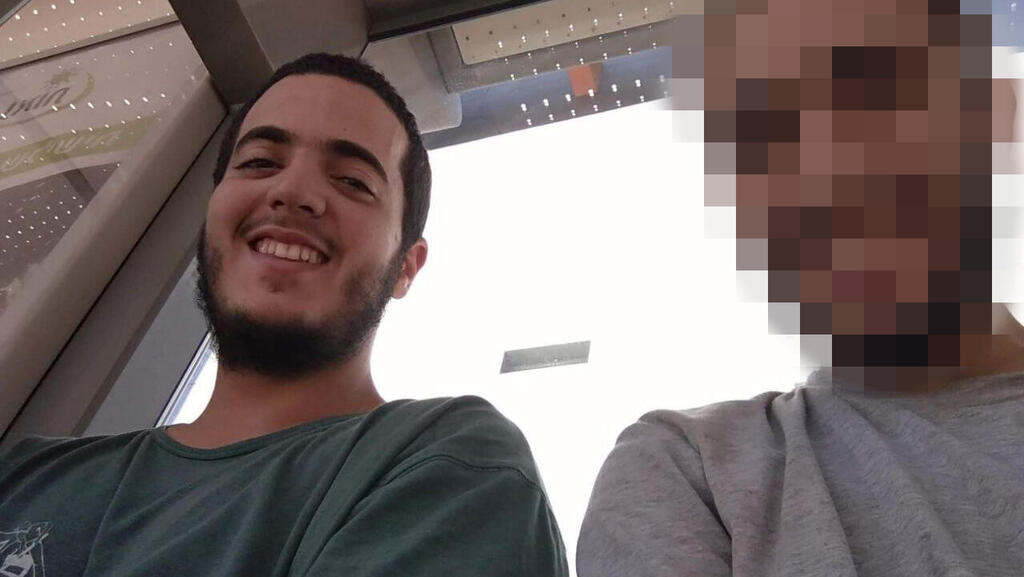
L. with his brother, Staff Sgt. Neria Ben-David
(Photo: Selfie)
Some Pereh fighters are past the usual exemption age. One, 48, from the moshav of Ani’am, helped establish his community’s emergency squad on October 7. “After a year, when we had a stable defense platoon, I felt I could move to the next challenge,” he said.
The unit trains at least once a month, including surprise drills. It has also been mobilized as a divisional reserve during operations in Lebanon and amid tensions with Iran. Many of its fighters have taken part in operational activity beyond the Syrian border.
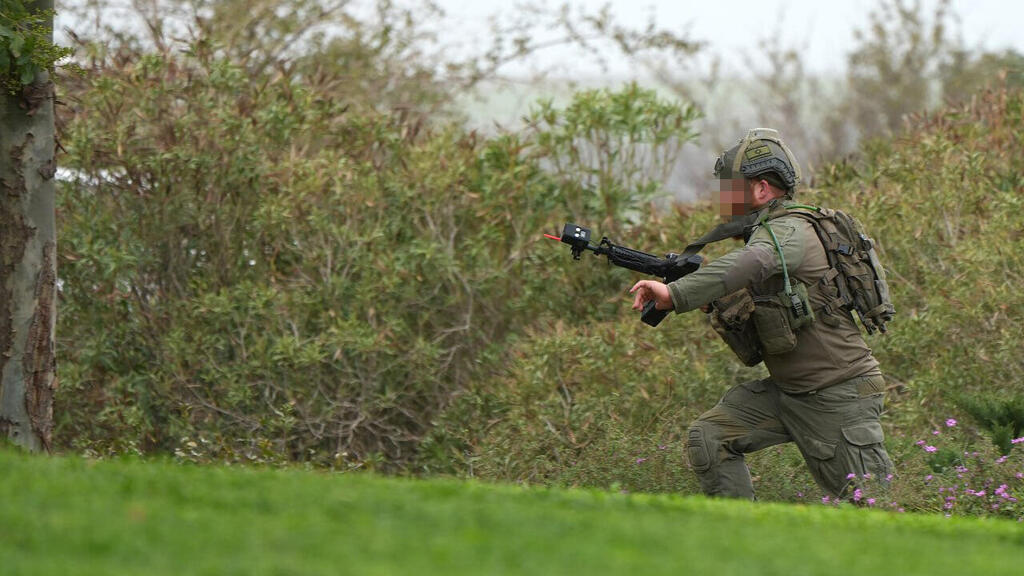
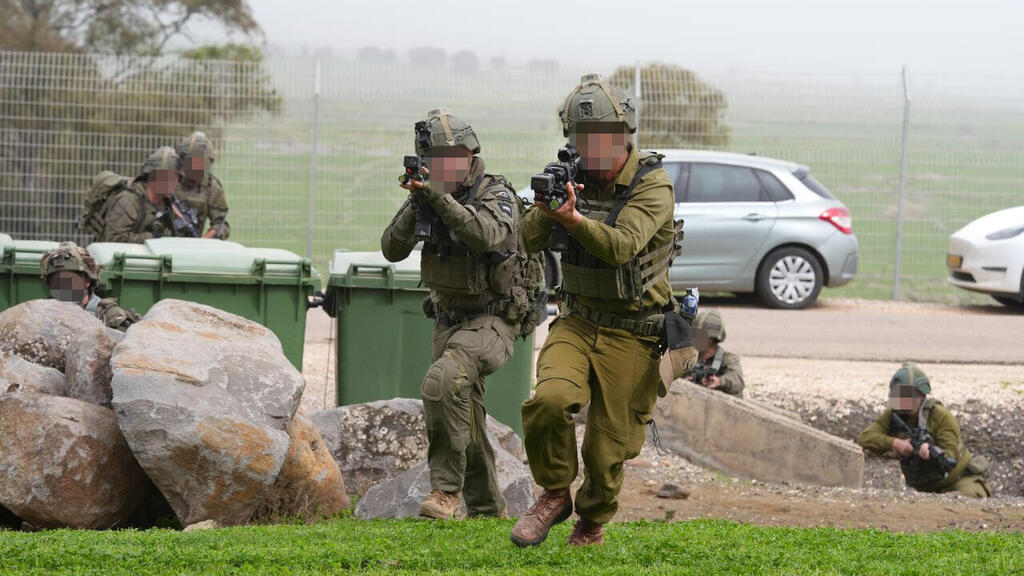
In the recent drill at the Regavim yeshiva, the entire unit simulated a takeover by terrorists. The exercise lasted about three hours. From the sidelines, the reservists looked indistinguishable from an active-duty elite unit, advancing from the rear gate after the main entrance was “seized,” conducting situation assessments and issuing orders.
“It may be a drill,” Y. said, “but on October 7 it was real.”
D. had a message for any potential adversary: “If the enemy is reading this article, I strongly advise them not to think about coming here. Because they won’t return home to tell about it.”