

Prime Minister Benjamin Netanyahu addressed the massive call-up of IDF reservists ahead of the planned operation to capture Gaza City, saying Tuesday that Israel faces a “decisive phase” in its war against Hamas.
Exactly six months after the October 7 massacre, when Netanyahu said Israel was “a step from victory,” he released a video emphasizing, “We are working to decisively defeat Hamas, but along the way, we have achieved wonders together by breaking the Iranian axis. What began in Gaza must end in Gaza.”
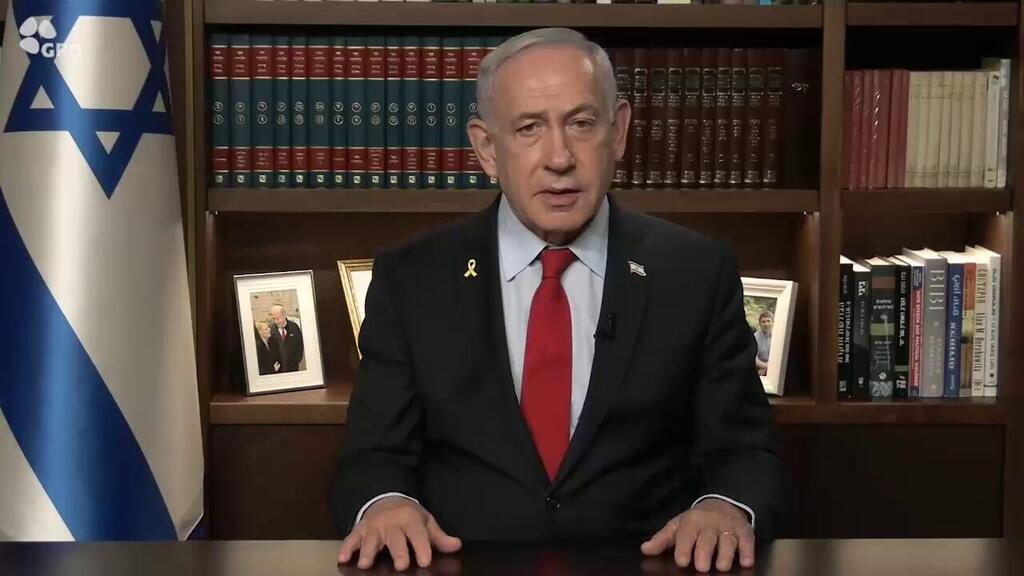
Netanyahu underscored the brutality of Hamas’s October 7 terror attack: “We have not forgotten the heads they severed, the women they raped, the babies they burned, and the hostages taken into Gaza tunnels. We are acting to bring them back.” He added that Israel’s campaign extends beyond Gaza, targeting Hezbollah in Lebanon, the Assad regime in Syria, and Iran, neutralizing existential threats.
The prime minister praised the difficult decisions made throughout the conflict, crediting the public’s support for Israel’s progress toward a comprehensive victory.
His remarks come two weeks ahead of U.S. Secretary of State Marco Rubio’s visit to Israel on Sept. 14, coinciding with preparations for the start of the “Gideon Chariots II” operation. President Trump has publicly urged Israel to end the war, amid waning international support.
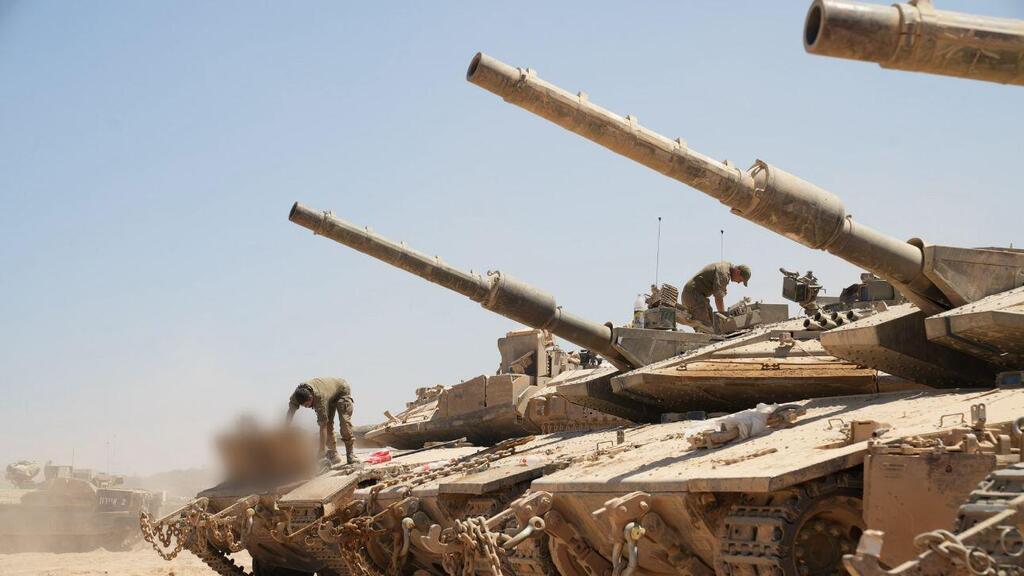
IDF forces preparing for Gaza City operation
(Photo: IDF)
At the height of the operation, roughly 130,000 reservists and five active brigades are expected to take part. The IDF describes the campaign as a phased operation to “seize Gaza” that will continue into 2026.
Earlier, IDF Chief of Staff Lt. Gen. Eyal Zamir dismissed criticism from political leaders, telling reservists, “The IDF never proposes anything short of a decisive victory. We do not stop the war until the enemy is defeated. The maneuver in Gaza has already begun; we are entering areas previously untouched, acting with strength, courage, and extraordinary spirit.”
Netanyahu originally made the “step from victory” statement in April last year. Reflecting on it five months later, he said, “What I meant was that we were a step away from the critical action that would pave the way to victory. I did not think we could achieve victory without entering Rafah. I withstood international and American pressure not to enter Rafah and Philadelphi. I believed the war could not be concluded otherwise.”