

Rioting linked to student protests in France resumed Thursday afternoon, with Paris police using tear gas to disperse teenagers who overturned trash cans and erected barricades outside Hélène Boucher High School in the northeastern part of the city.
The wave of protests in France, which politicians on the right and center accuse the far left of encouraging for political purposes, shows no signs of subsiding. Over the past 24 hours, the unrest has spread to neighboring Belgium, where similar riots have erupted. In France, protest marches were held Thursday not only in Paris but also in Nantes, Rennes, Bron, Toulon, Marseille and other cities.
Gallery
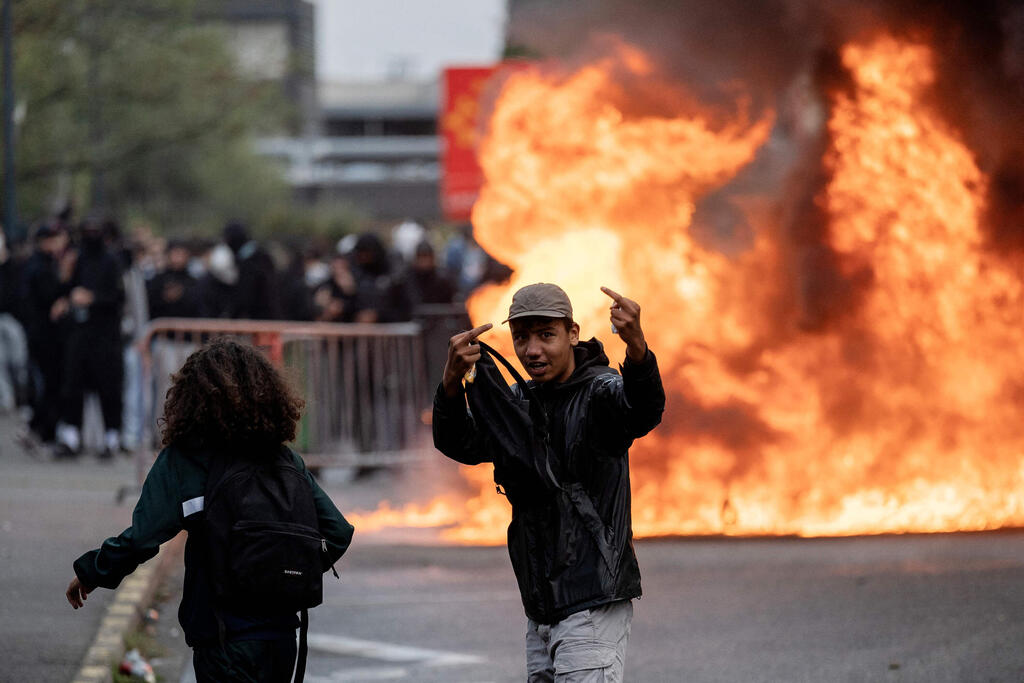
Fire burns in Toulouse on Thursday as a rioter gestures with his middle finger toward the camera
(Photo: Lionel BONAVENTURE / AFP)
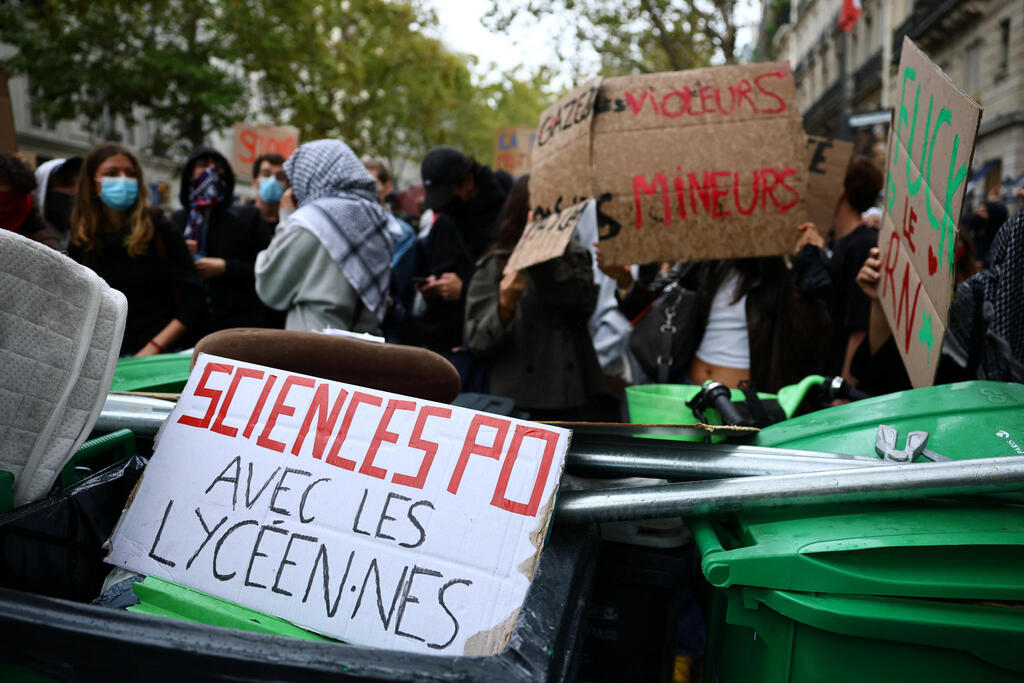
Trash cans and signs block the road outside Hélène Boucher High School in Paris. Palestinian keffiyehs were again spotted among the protesters Thursday
(Photo: EUTERS/Sarah Meyssonnier)
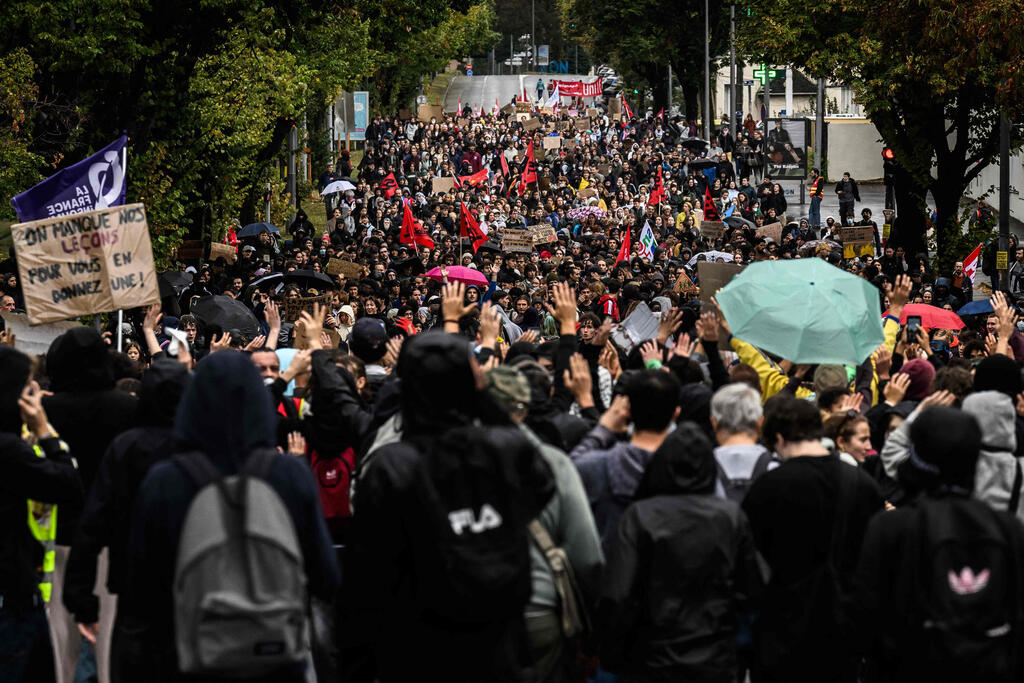
Protesters march in Bron, near Lyon. Demonstrators also took to the streets in Rennes and Nantes
(Photo: JEFF PACHOUD / AFP)
Hélène Boucher High School, which has become a major flashpoint for clashes between protesters and police in the French capital, is one of 375 schools, out of approximately 3,700 across France, that were fully or partially closed Thursday because of protest activity. Many of the demonstrators who gathered outside the school wore surgical masks or hooded sweatshirts, apparently to make identification more difficult. At least 12 demonstrations in support of the protest movement were scheduled to take place across the country later Thursday.
The student protests in France began September 17 and gained momentum last week, when students at hundreds of schools, particularly in poorer working-class suburbs such as Saint-Denis outside Paris, began blocking school entrances, occupying roads, setting trash cans on fire and attacking police officers and passersby. The students say they are protesting neglected school infrastructure, overcrowded classrooms and teacher shortages. The demonstrations erupted as the French government seeks to pass its 2027 budget, which aims to reduce the deficit.
Since the protests began, at least 24 schools have been set on fire or looted, and 85 education workers have been injured. Nearly 800 police officers and 215 teenagers have also been injured in clashes. According to the latest figures from authorities, more than 6,600 people have been arrested across France since the unrest began, most of them teenagers. The Justice Ministry said 1,800 of those arrested would face prosecution, including 1,483 minors. Property damage from the violent protests is estimated at tens of millions of euros.
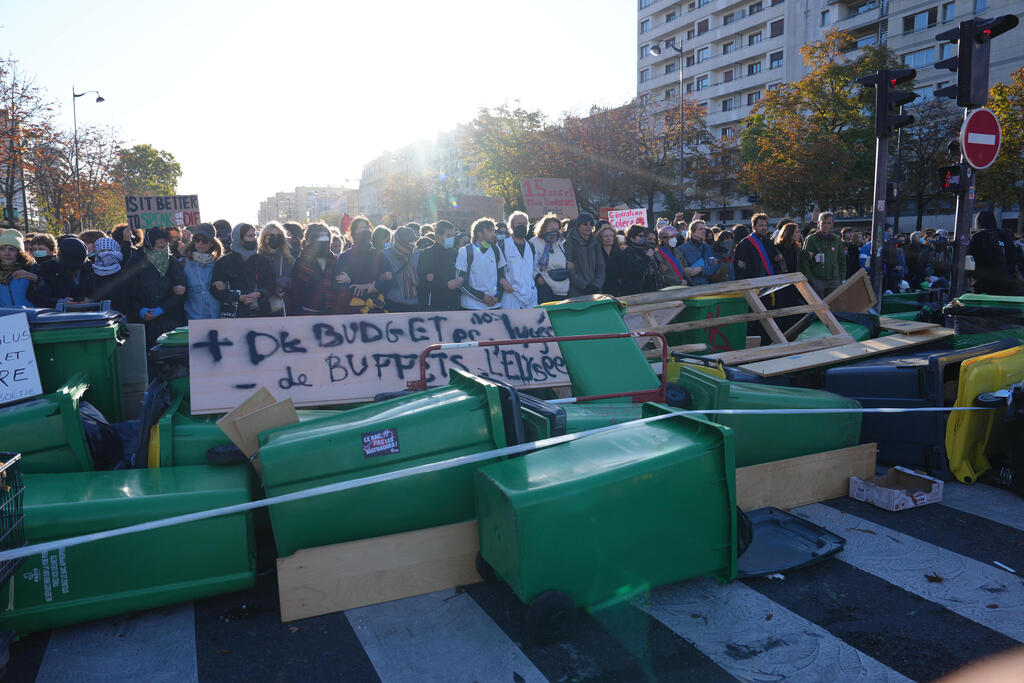
Protesters block a road near Hélène Boucher High School. Trump: 'This isn't about schools, this is about Islam wanting to take over a once great Country'
(Photo: AP Photo/Aurelien Morissard)
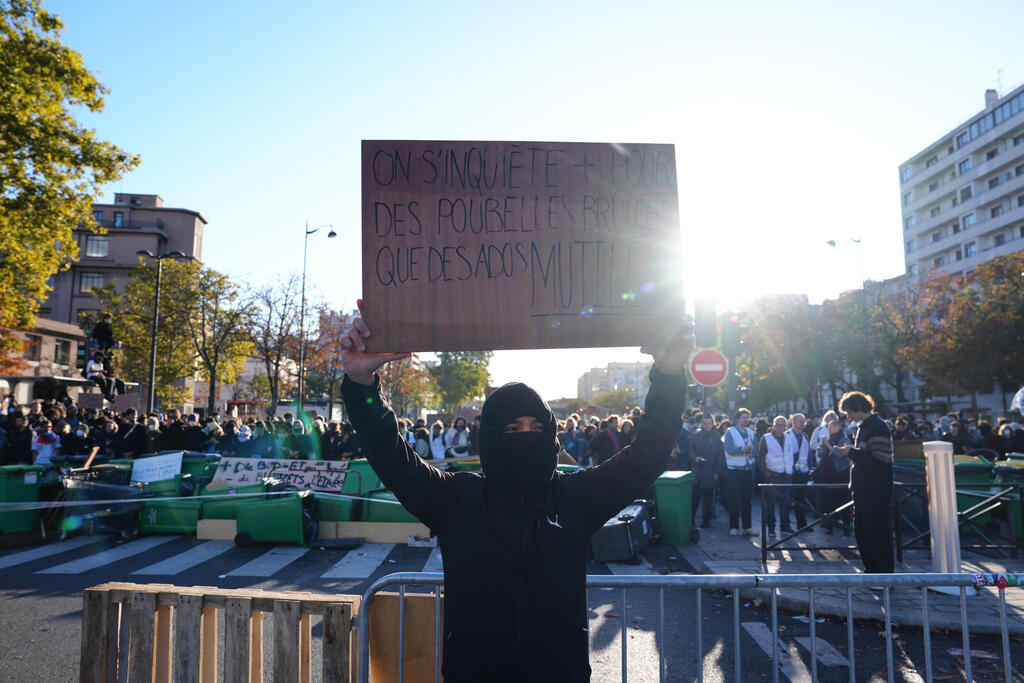
(Photo: AP Photo/Aurelien Morissard)
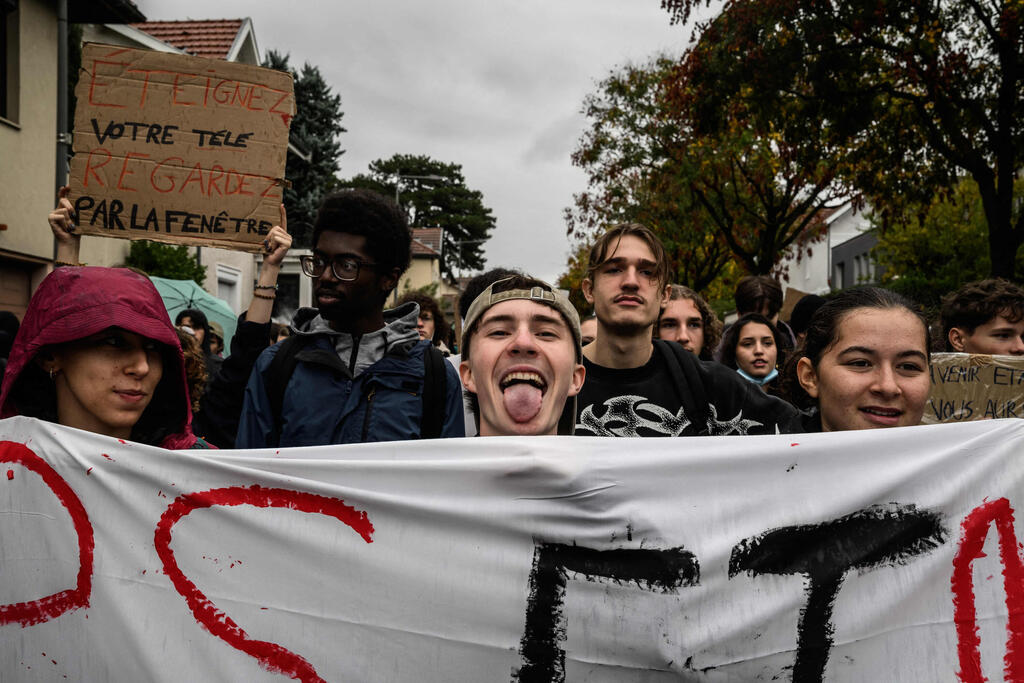
A student demonstration near Lyon on Thursday
(Photo: JEFF PACHOUD / AF)
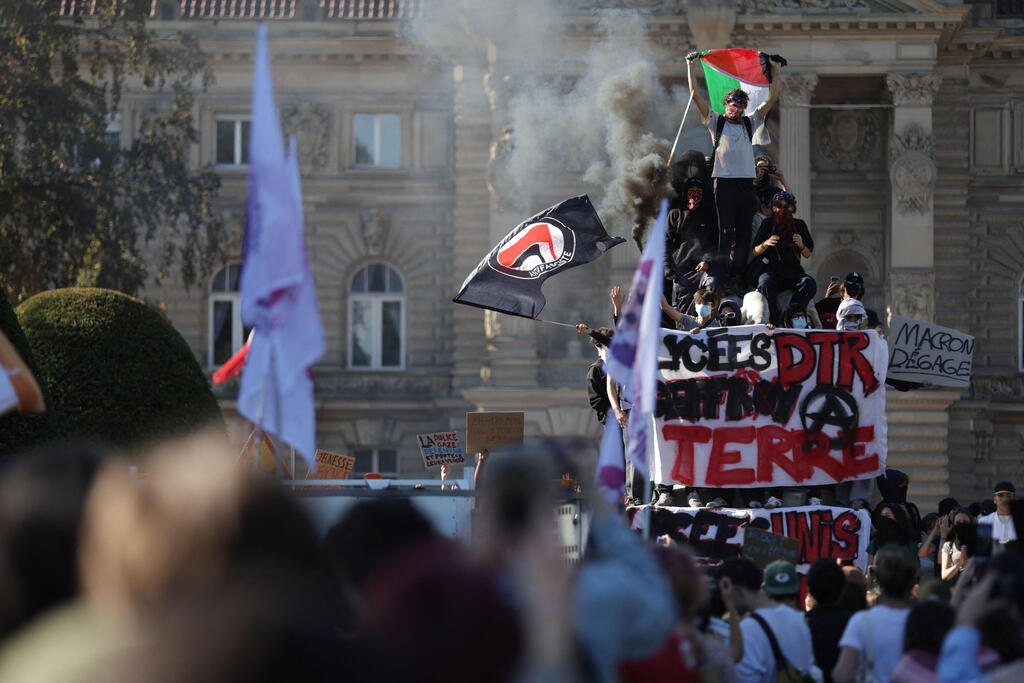
A Palestinian flag appears again at a demonstration in Strasbourg on Wednesday
(Photo: ROMEO BOETZLE / AFP)
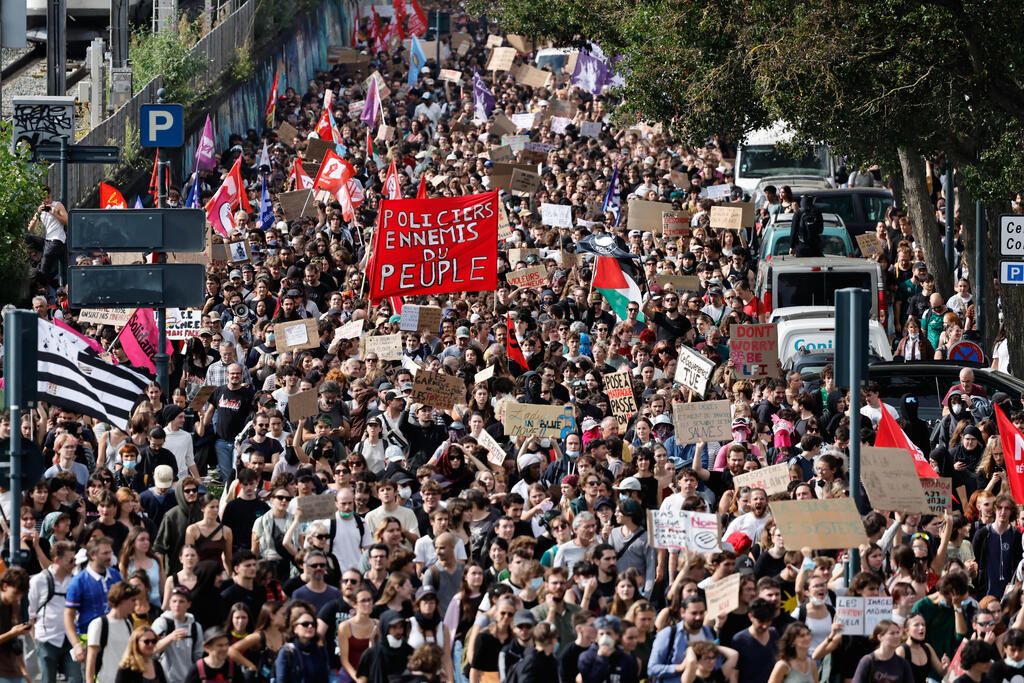
A Palestinian flag amid the crowd at a march in Rennes on Tuesday
(Photo: AP Photo/Jeremias Gonzalez)
Opponents of the demonstrations have accused France Unbowed ("La France Insoumise"), the party led by radical left-wing leader Jean-Luc Mélenchon, a staunchly anti-Israel politician, of inciting violence and fueling the riots. They have also highlighted the involvement of immigrants and their descendants in the street violence.
Palestinian keffiyehs and flags have been visible at many of the demonstrations in recent days, including Thursday morning's protests in Paris. On Tuesday, U.S. President Donald Trump weighed in on the issue in a social media post, alleging that the demonstrations were not really about conditions in schools but rather reflected uncontrolled immigration and an attempt by Islam to take over France.
According to a poll conducted by Elabe for BFM TV, 72% of French respondents believe the students' demands are legitimate, but 55% believe the protests should end.
Prime minister: 'Political leaders are exploiting anger for elections'
Thursday's demonstrations followed Tuesday's main "day of rage" protests, which drew approximately 266,000 participants according to police and 450,000 according to organizers. Ahead of Thursday's events, a French student union called for blockades of high schools and university campuses, followed by demonstrations outside government buildings across the Paris region and at the capital's Place de la Bastille in the afternoon.
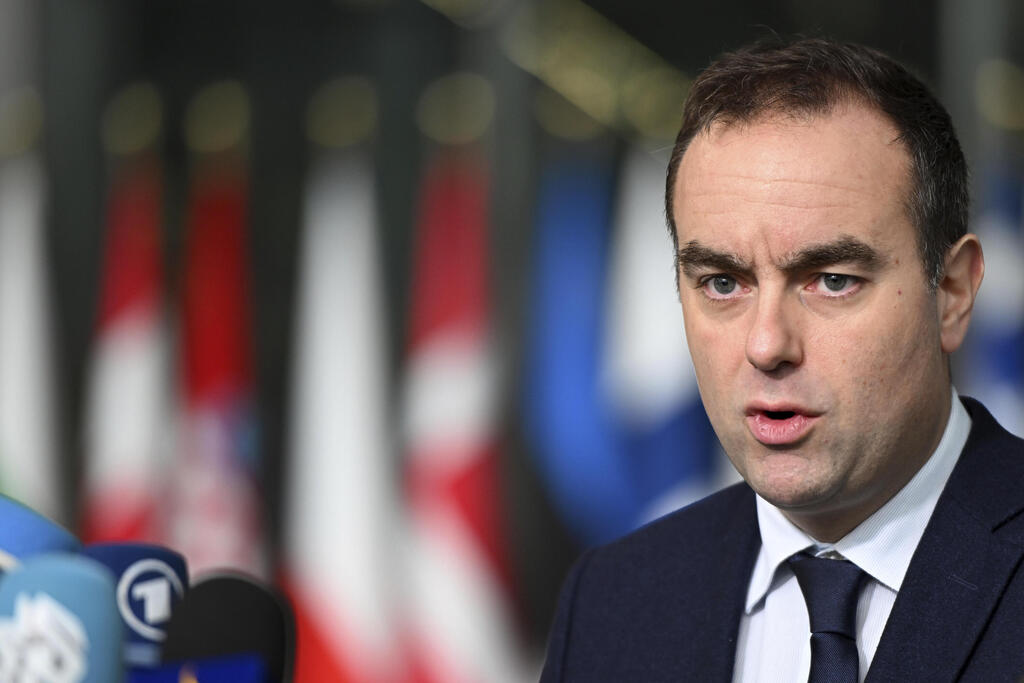
Prime Minister Sébastien Lecornu. He rejected allegations of disproportionate police force
(Photo: AP Photo/Harry Nakos)
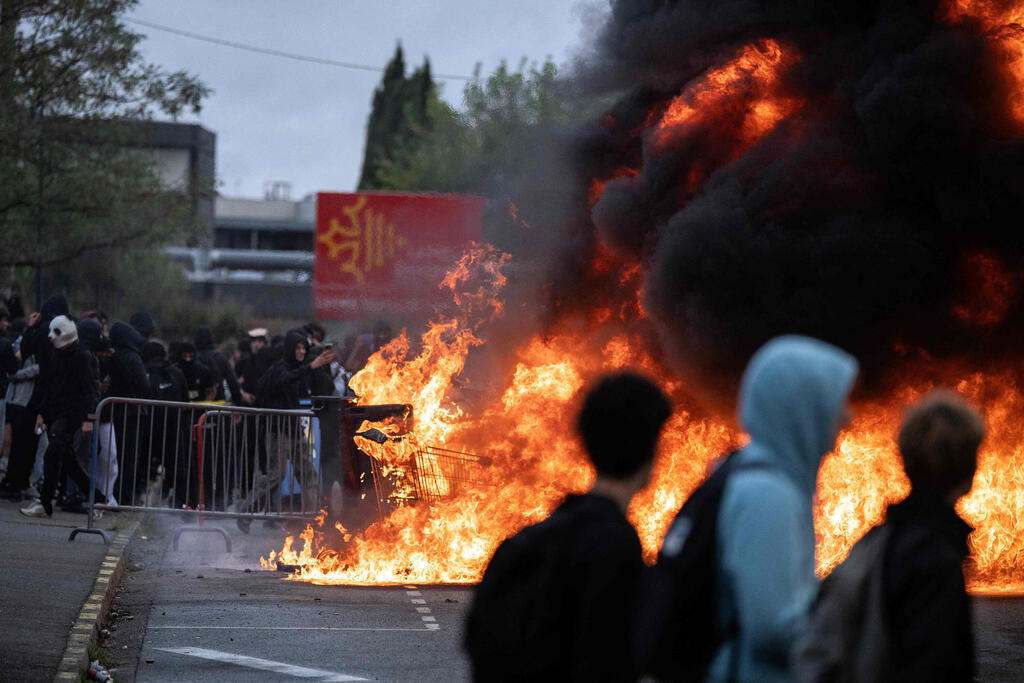
Fire burns during student protests in Toulouse on Thursday
(Photo: Lionel BONAVENTURE / AFP)
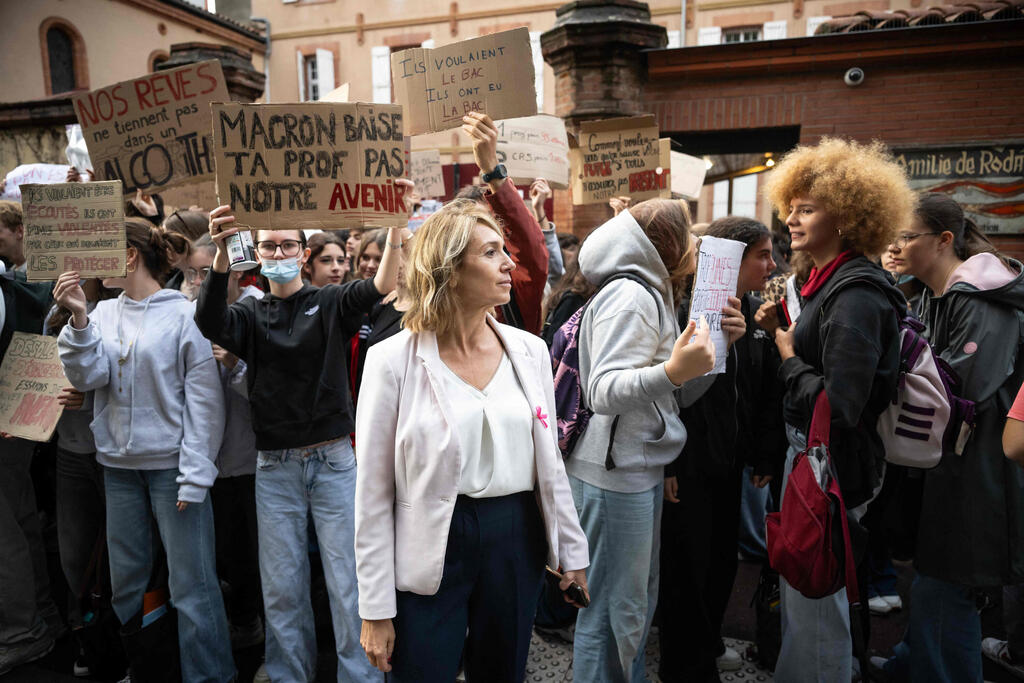
(Photo: Lionel BONAVENTURE / AFP)
Although the number of schools disrupted has declined over the past two days compared with Tuesday, pressure on the government of outgoing President Emmanuel Macron continues to mount.
The demonstrations against inadequate school funding have attracted troublemakers who are not necessarily interested in the protest movement's goals, alongside labor unions and political organizations. Against this backdrop, Prime Minister Sébastien Lecornu this week accused Mélenchon's France Unbowed party, which is linked to many of these groups, of attempting to "sow chaos" ahead of the presidential election in April and May. Polls predict that Mélenchon will advance to the decisive runoff, where he is expected to lose to far-right leader Marine Le Pen.
In a televised address to the nation Wednesday, Lecornu acknowledged that students' concerns were genuine and deserved to be heard, promising measures later this month to improve conditions. But he also expressed regret over "the violence, attacks on students and staff, injuries to police officers, schools set on fire or vandalized and thousands of hours of lost instruction, not to mention threats and insults."
He again criticized "political leaders who are exploiting this anger to wage their election battles," in a clear rebuke of the far left and Mélenchon.
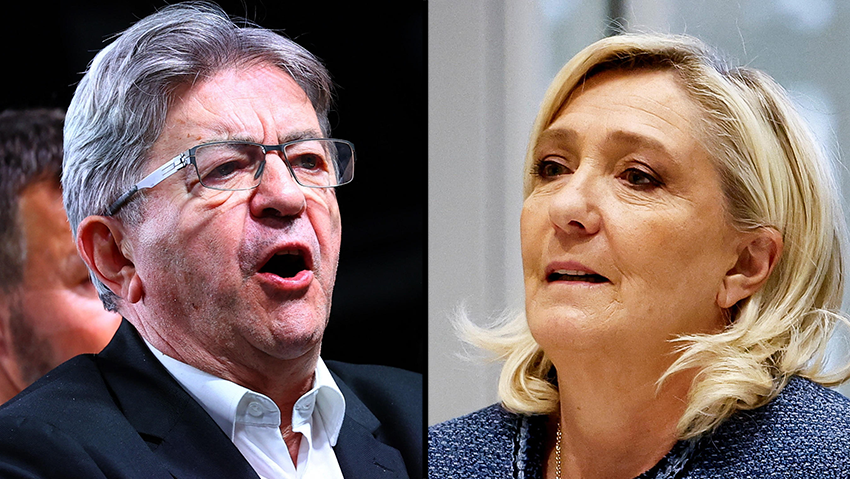
Mélenchon and Le Pen. French voters are expected to choose between the far right and far left in the May presidential runoff
(Photo: REUTERS/Fabrizio Bensch/Abdul Saboor)
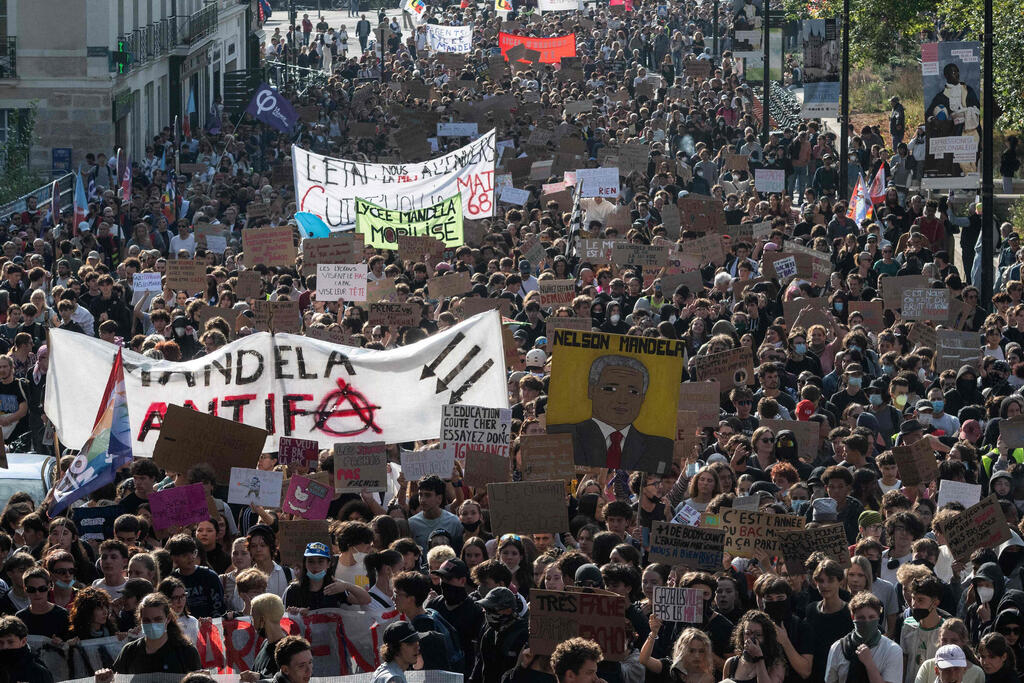
Tuesday's protest in Nantes included signs associated with the far-left Antifa movement
(Photo: Sebastien Salom-Gomis / AFP)
Among the demonstrators gathered Thursday outside Hélène Boucher High School in Paris was 18-year-old student Emma Khelil, who came to show support for those manning the makeshift barricades at her former school.
She told The Associated Press that she was concerned about police violence.
"We’re here to defend our rights, not to lose an eye or a hand," Khelil said.
She recalled insulation problems, water leaks and occasional sightings of rats during her time at the school.
"I don’t think the movement is going to lose momentum. As long as things don’t change, we’re going to see the movement grow stronger, and potentially a convergence of struggles, especially with the next presidential election coming up."
Shortly after she spoke, police surrounded a nearby square, the crowd began surging forward and officers fired tear gas toward the demonstrators.
Teenager loses hand, another suffers broken teeth as police warn of escalating violence
France announced Wednesday that it was suspending the use of stun grenades following an incident Tuesday in which a 15-year-old boy lost his hand.
Police said they had been confronted by more than 200 students throwing stones and firing fireworks, and that the teenager picked up a grenade that exploded in his hand. Students, however, claimed he was struck directly after a police officer fired the device toward him.
In another incident last week, a 14-year-old boy named Eden was struck in the face by a tear gas grenade near Paris. According to his lawyer, he lost several teeth and suffered a fractured jaw. His mother said he is now unable to speak and can drink only through a straw.
The officer involved said in his defense that he had acted in a "split second" to protect a female officer who was exchanging blows with the teenager. He has been suspended pending an investigation.
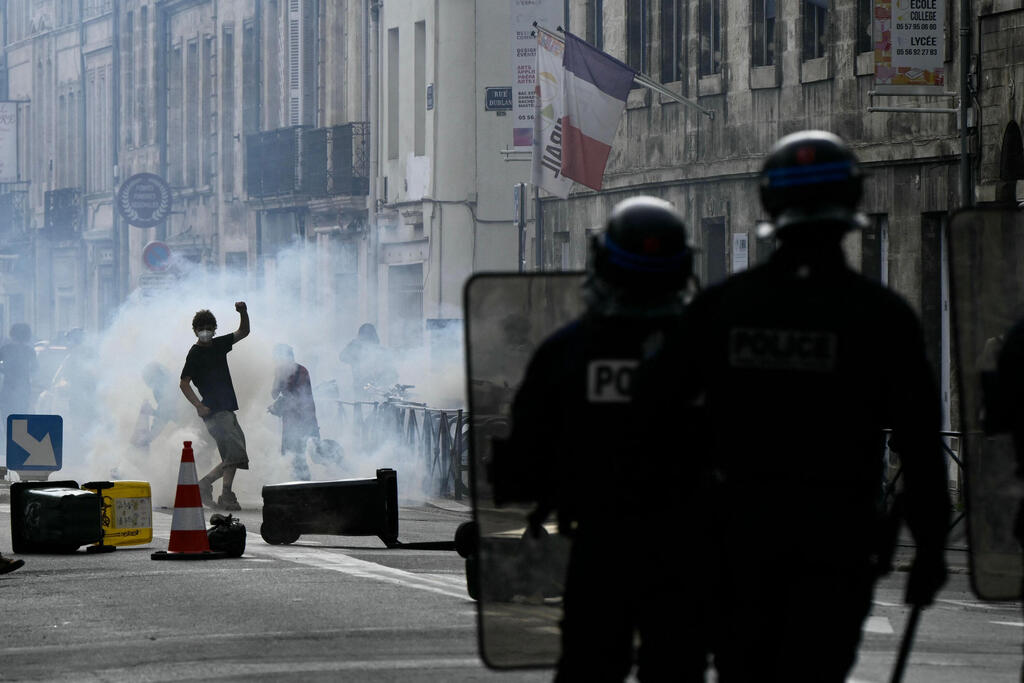
Tear gas during protests in Bordeaux this week. A police union criticized the suspension of stun grenades, calling it an emotionally driven decision
(Photo: Philippe LOPEZ / AFP)
In recent days, protesters and their supporters have made numerous additional allegations of excessive police force.
In one case, an officer is under investigation for attempted murder after a 17-year-old protester alleged that the officer held his head underwater while trying to arrest him near a river in the northern city of Belfort.
In Tours, in the Loire wine region, a 15-year-old boy suffered partial blindness after allegedly being struck by a police rubber bullet.
Tear gas and trash can battles: Clashes in France's 'student revolt' this week


Despite the suspension of stun grenades, Lecornu defended the police response against allegations of disproportionate force and denied that security forces had been instructed to confront the young protesters.
Interior Minister Laurent Nuñez told RTL radio that the police oversight agency had opened 18 investigations to determine whether officers had used excessive force.
The national secretary of the UNSA police union expressed skepticism about the decision to suspend stun grenades, arguing that it was based "on emotion."
"We are dealing with increasingly violent people," Jean-Paul Nascimento told FranceInfo, warning that without this crowd-control measure, more confrontations could occur at close range.
"That's where there will perhaps be even more injuries," he explained.
The national coordinator of the radical left-wing France Unbowed party, known by its French initials LFI, accused the authorities of waiting until "several children had been permanently maimed before Interior Minister Nuñez agreed to stop using grenades against high school students."
Dozens arrested in Belgium as nighttime gatherings banned
Over the past 24 hours, the protests have also spread to Belgium.
In the city of Liège, police used water cannons and tear gas Wednesday to push back several hundred demonstrators. Authorities were forced to send alerts to shopkeepers' mobile phones, urging them to close their businesses because of the rioting.
Nearly 90 people were arrested in the city, and several police officers were injured.
Police reinforcements were dispatched to Liège from Brussels and Antwerp, while Mayor Willy Demeyer issued an order banning public gatherings until midnight Oct. 16, citing what he described as a "real, serious and immediate danger" of renewed clashes and vandalism that authorities expect in the coming days.
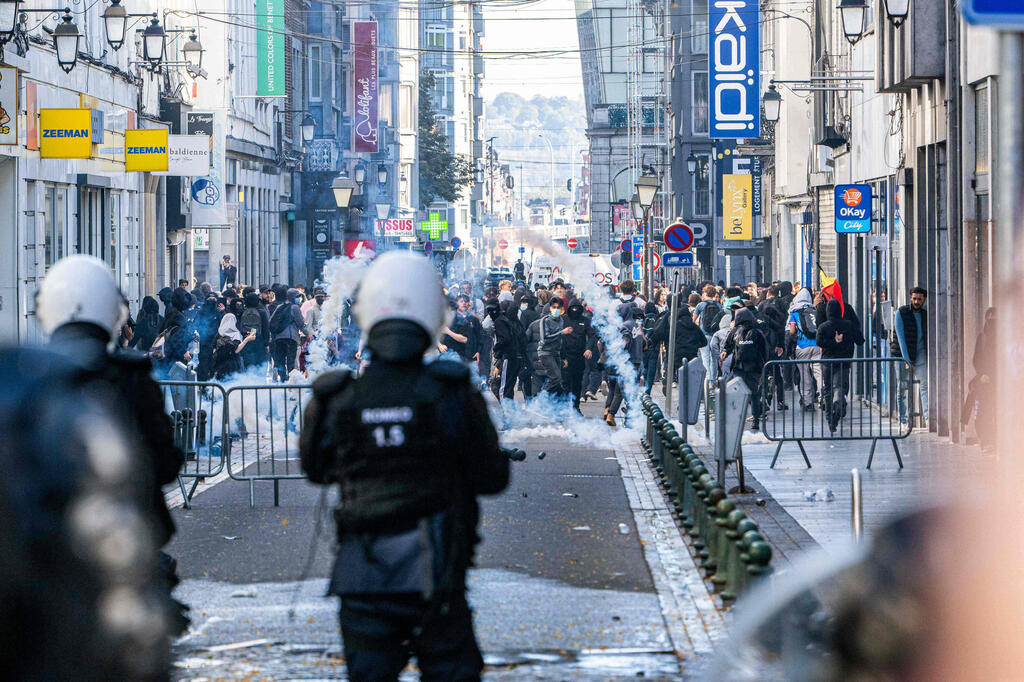
Police confront rioters in Liège. Water cannons and tear gas were deployed
(Photo: JONAS ROOSENS / BELGA / AFP)
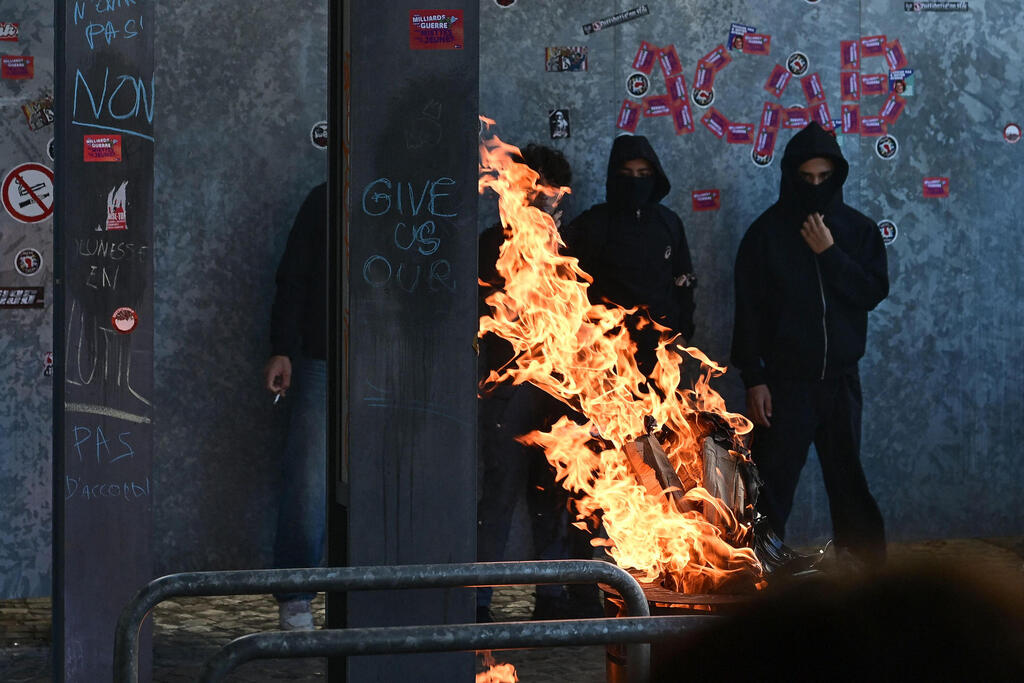
Masked rioters set fires in Liège. Authorities expect further vandalism
(Photo: Nicolas TUCAT / AFP)
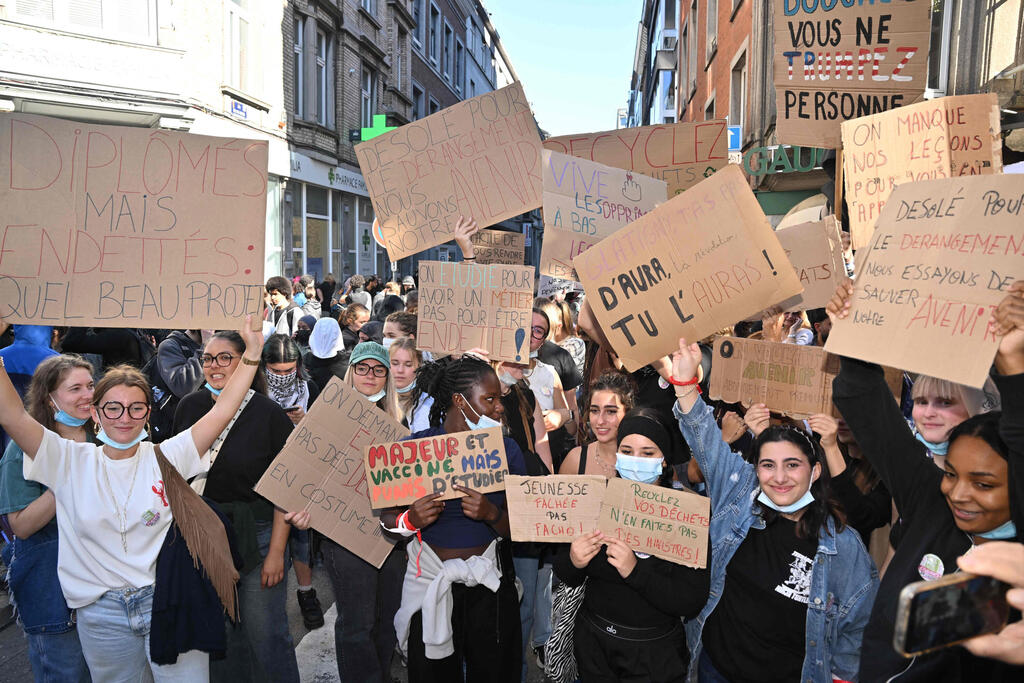
Belgian foreign minister: "Radical left-wing activists have infiltrated the protests and are causing property damage." Liège on Wednesday
(Photo: JONAS ROOSENS / BELGA / AFP)
Smaller demonstrations took place Wednesday in Mons and Charleroi, while similar protests were held Thursday outside several schools in Brussels and at the University of Liège.
Belgian Foreign Minister Bernard Quintin said radical left-wing activists had infiltrated the student protests in Liège and were causing property damage.
Julien Douet, a member of the Liège Anti-Fascist Front, told local media that Quintin's allegations were "delusional."
In a social media post, Belgian Interior Minister Bernard Quintin declared that "the perpetrators will have to answer for their actions before the courts."
The protests in Belgium, organized through social media chat groups, include demands for more teachers and smaller classes, along with complaints about the country's education reforms. These included an increase in tuition fees for most students in Belgium's French-speaking community, from 835 euros to 1,194 euros ($1,280).
Several Belgian students said they were in contact with their French counterparts.
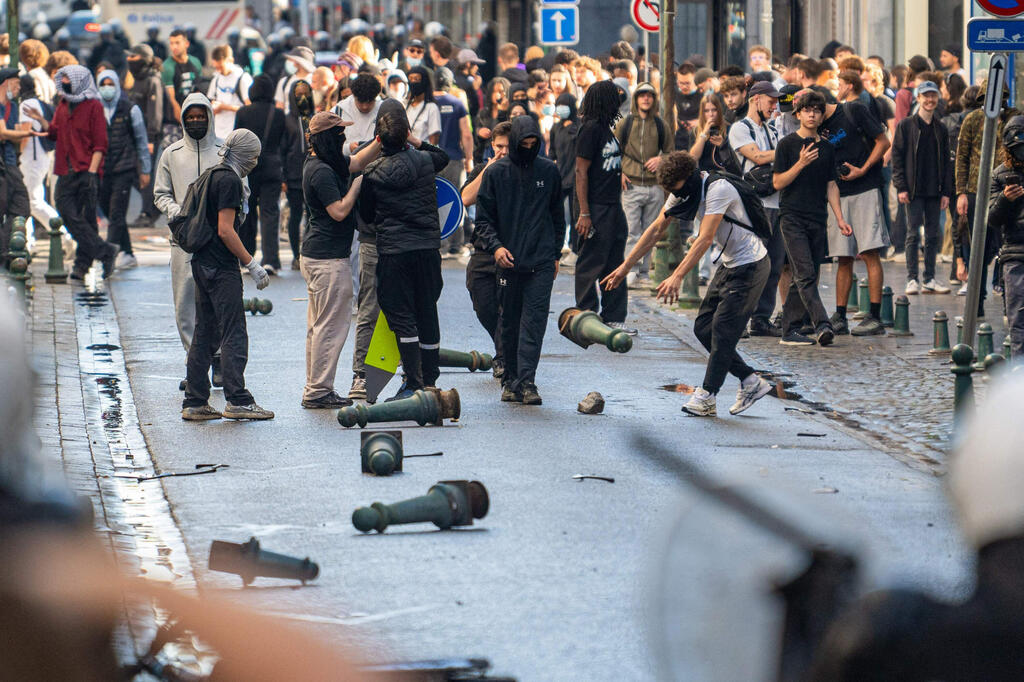
'France definitely influenced us a little.' Protesters in Liège
(Photo: JONAS ROOSENS / BELGA / AFP)
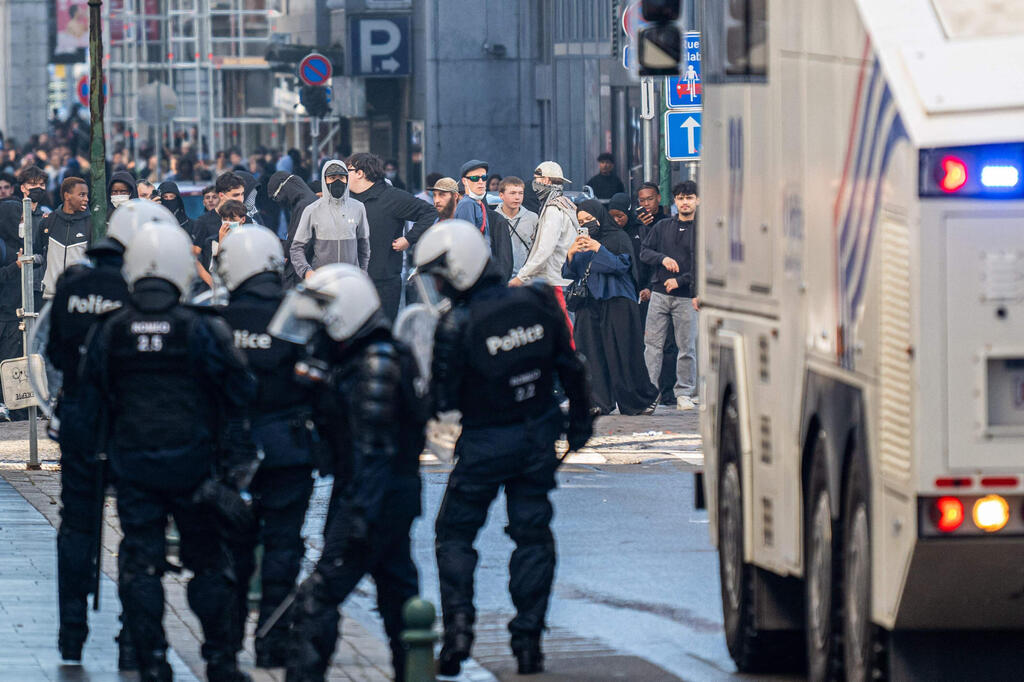
(Photo: JONAS ROOSENS / BELGA / AFP)
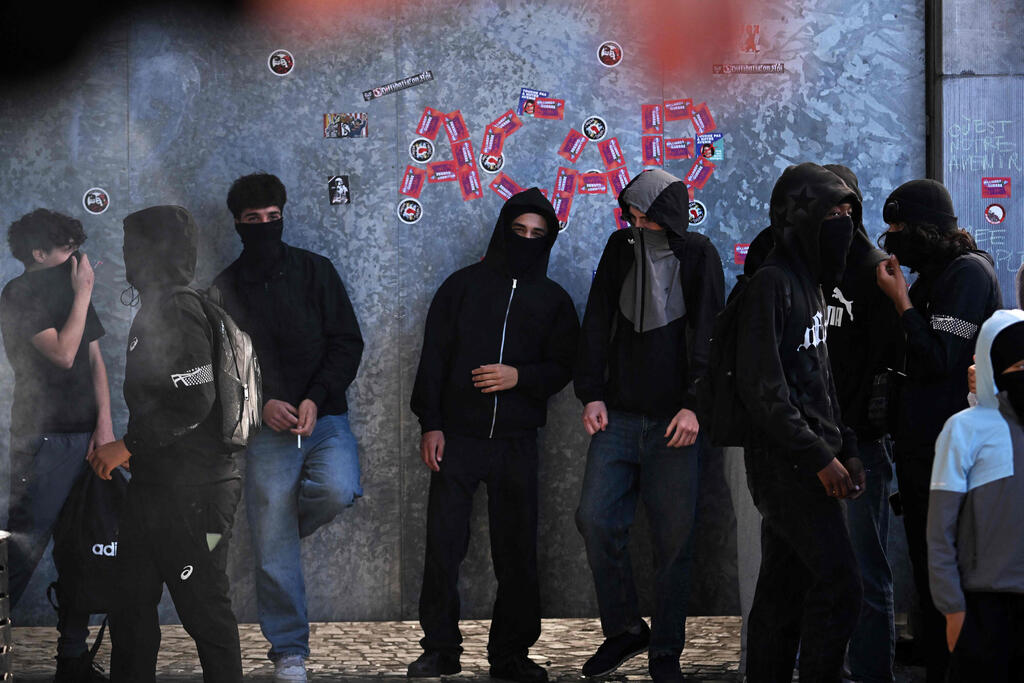
(Photo: Nicolas TUCAT / AFP)
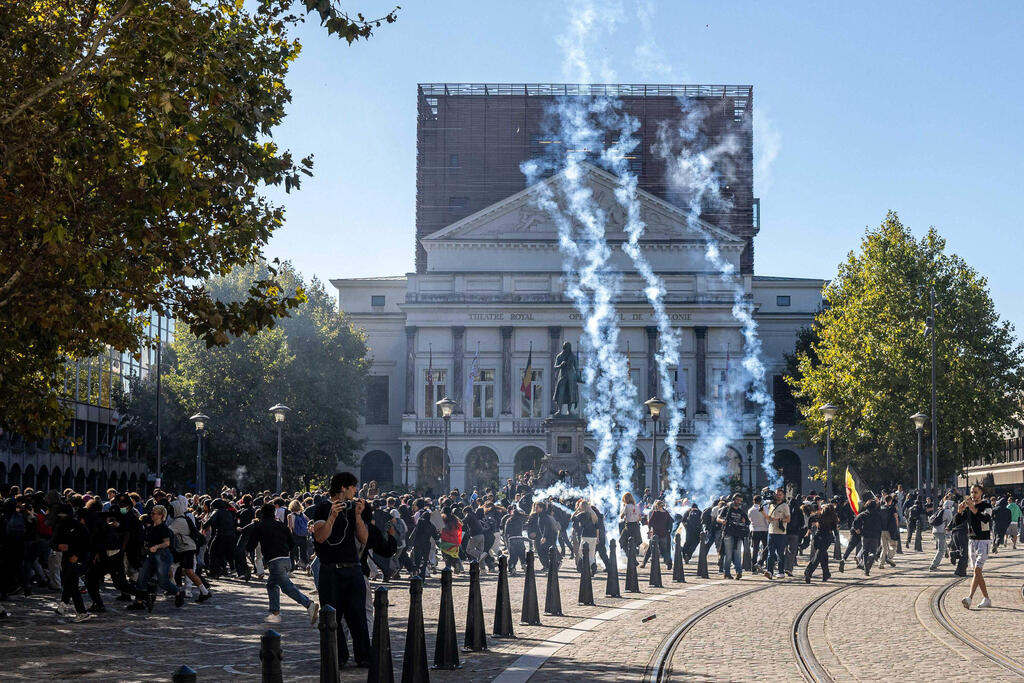
(Photo: JONAS ROOSENS / BELGA / AFP)
"We support each other because we're dealing with more or less the same problems," said Alfred, a 19-year-old student.
Amelia Di Salva, a 19-year-old student training to become a teacher, said Belgium's student movement had begun earlier this year and was revived after students saw the demonstrations in France.
"When we saw that nothing was changing without protests, we decided to get started. France definitely influenced us a little."