

Iran has allowed ships from several countries it considers friendly — including China, India, Pakistan, Malaysia and Iraq — to pass safely through the Strait of Hormuz, the strategic route through which about a fifth of the world’s oil supply flows, The New York Times reported.
Iran imposed a blockade on shipping in Hormuz at the start of the war — a move that gives the regime control over traffic in the strategic strait and has driven up oil and gas prices worldwide. Now, according to The New York Times, Iranian lawmakers are discussing new regulations governing transit through the strait, including the imposition of a “transit fee.”
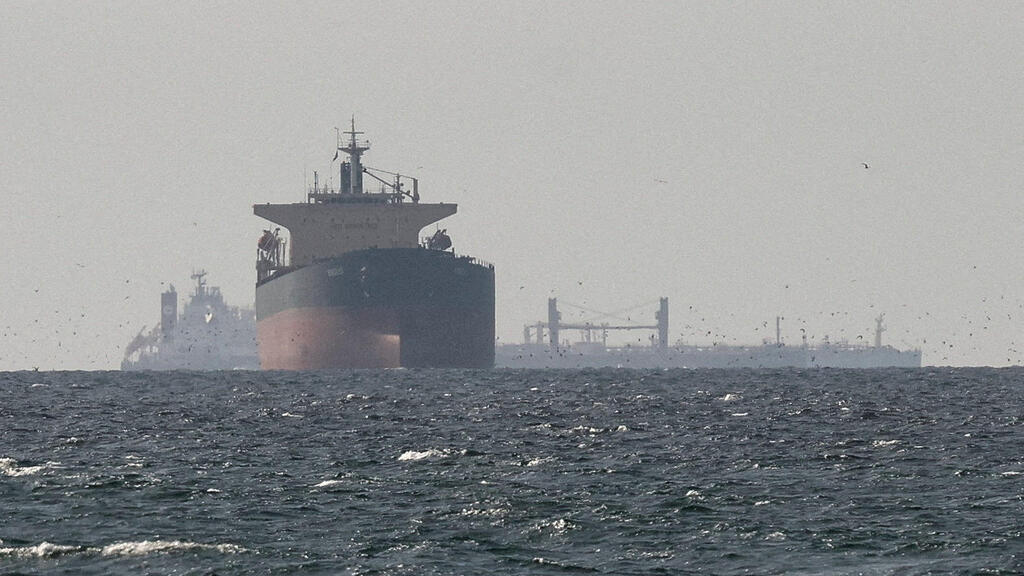
Before the war, more than 130 vessels passed through Hormuz on average each day. That number has now dropped to just three to four ships. More than 20 commercial vessels have been attacked in and around Hormuz since the war began. At the same time, nearly 2,000 ships and 20,000 crew members are stranded in the area due to fears of transiting the strait. Iran has threatened to attack and set ablaze any vessel that passes through Hormuz as long as the war continues.
Iran’s newly appointed supreme leader, Mojtaba Khamenei, said last week — in his first statement since being chosen to succeed his assassinated father — that the closure of the Strait of Hormuz should continue as a means of pressure. During the war, Donald Trump has repeatedly called on U.S. allies to help reopen the strait and expressed strong disappointment with countries that have been reluctant to do so.
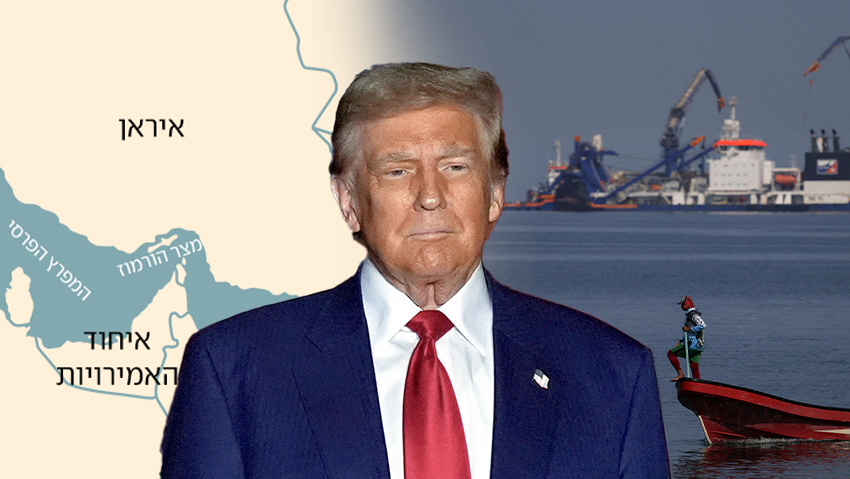
US President Donald Trump called on US partners to help open Hormuz - and was disappointed by their reluctance
(Photos: Stelios Misinas/Jonathan Ernst/Reuters)
According to The New York Times, at least nine vessels sailed through Hormuz along a route passing through Iran’s territorial waters near Larak Island, from where Islamic Revolutionary Guard Corps forces and maritime authorities can monitor traffic. Among them were ships from India and Pakistan, as well as vessels under U.S. sanctions as part of Iran’s “shadow fleet,” flying the flags of Aruba, Palau and Madagascar.
In at least one case, ships’ passage through Hormuz involved a substantial payment to Iran, with shipping companies communicating with Iranian officials through indirect channels, according to the Times.
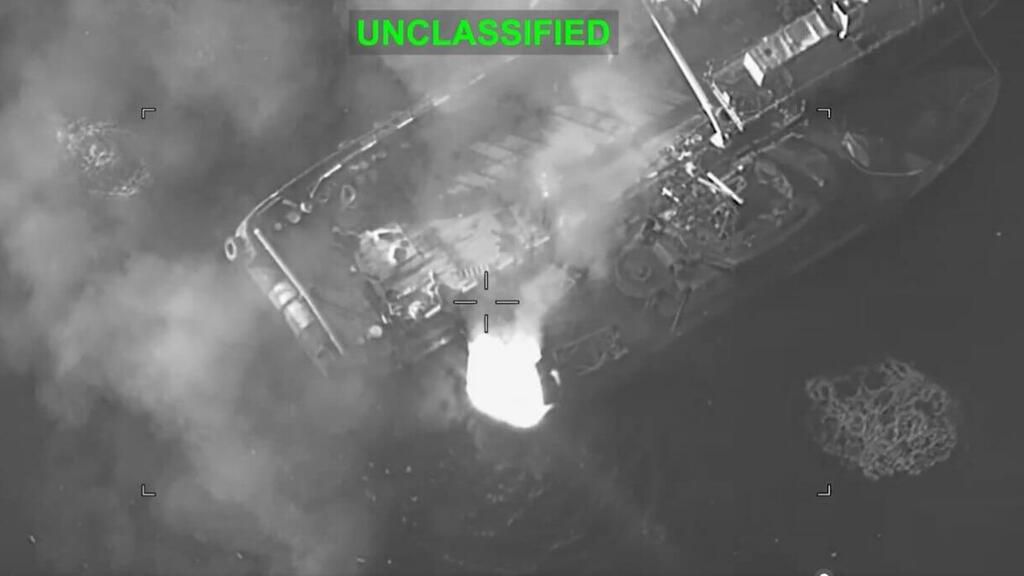
US attacks on Iranian naval targets near the Strait of Hormuz
(Photo: CENTCOM)
Iraq’s oil minister, Hayan Abdul Ghani al-Sawad, said his government is in contact with Iran to allow Iraqi oil tankers to pass through Hormuz. India’s foreign minister, Subrahmanyam Jaishankar, said direct talks with Iran enabled two gas tankers to transit the strait, adding that discussions are ongoing.
Iranian Foreign Minister Abbas Araghchi told Japanese media yesterday that Iran is prepared to assist Japanese vessels in transiting Hormuz. About 90% of Japan’s oil imports pass through the strategic waterway.