

As the United States moves military forces into the region, Iran and its allied groups have intensified warnings about the consequences of any attack on Tehran, signaling heightened tensions across the Middle East.
Pro-Iranian militias in Iraq, along with Hezbollah in Lebanon and the Houthis in Yemen, have issued a series of statements in recent days threatening retaliation if Iran is targeted. The rhetoric has been reinforced by repeated warnings from Iranian officials and media outlets aligned with the government.
On Wednesday, Iran’s Fars news agency quoted Reza Ilhami, commander of the country’s air defense forces and of the Khatam al-Anbiya emergency command headquarters, as saying Iran had strengthened its capabilities to confront what he described as American and Israeli threats. He said Iranian forces were working to enhance combat readiness and would respond to any hostile strike.
Another senior military official, Habibollah Sayyari, said Tehran was prepared to defend its sovereignty and independence. “Our forces are ready to respond decisively to any aggression against our country,” he said, adding that Iran would not be deterred by threats from the air, sea or land. Ahmad Vahidi, deputy commander of the Revolutionary Guard, also warned that Iran’s defensive capabilities make any military action against it a high-risk move.
Iranian Foreign Minister Abbas Araghchi said Wednesday that he has had no recent contact with U.S. envoy Steve Witkoff and that Tehran has not sought negotiations with Washington. While acknowledging that some countries are attempting to mediate, Araghchi said talks cannot take place “in an atmosphere of threats” and must be based on equality and mutual respect.
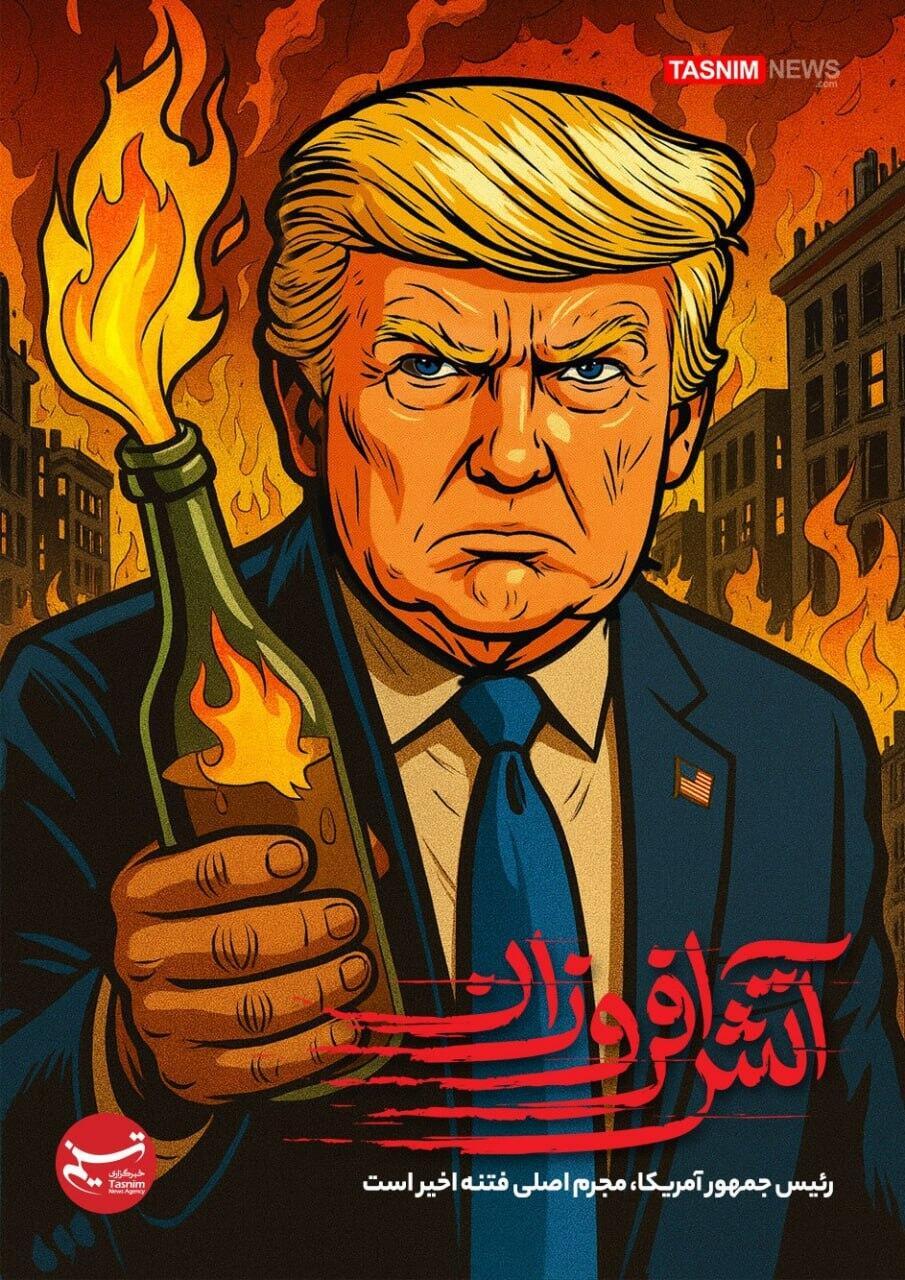
Alongside the external warnings, Iranian officials and state-aligned media have continued a campaign blaming the United States and Israel for recent protests inside Iran. Government-linked news agencies, including Tasnim and Mehr, have published visual campaigns asserting that Washington funded the demonstrations and that the protests were manipulated into violent unrest by foreign actors.
Iranian media have focused on images of damage following the demonstrations and reports of arrests of what authorities describe as rioters. Opposition outlets, meanwhile, have circulated videos and photos showing what they say is violent suppression of protesters, some of which have re-emerged as partial internet access was restored.
Iran’s regional allies have echoed Tehran’s warnings. Lebanon’s Al-Akhbar newspaper, which is aligned with Hezbollah, quoted a military source in Yemen’s Houthi-controlled capital, Sanaa, as saying the Houthis would not allow any U.S. warship or aircraft carrier to approach the Red Sea or the Arabian Sea. The source said such movements would be viewed as a direct threat to Yemen.
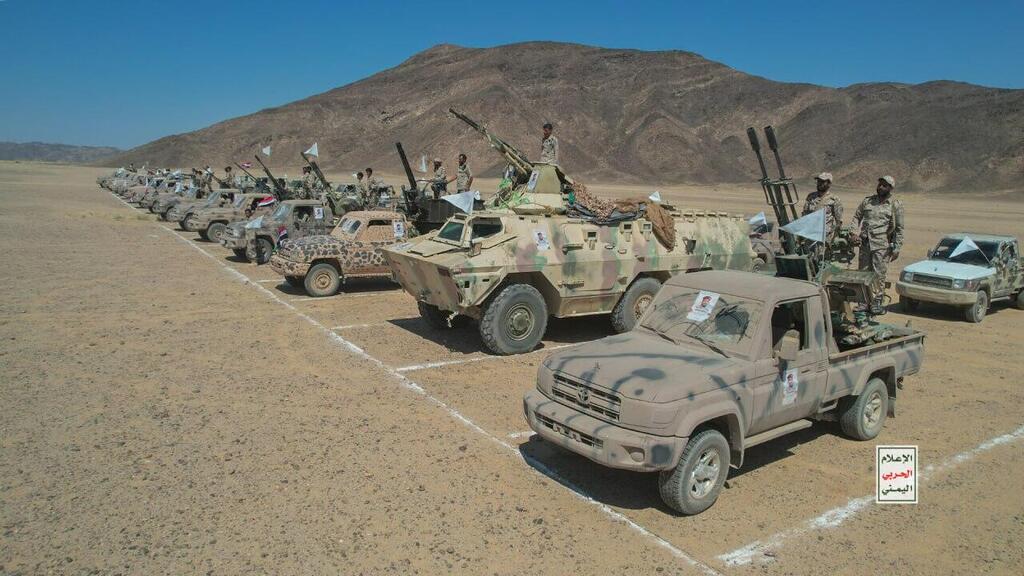
Houthi forces
According to the report, the Houthis have raised their alert level to maximum readiness in response to recent U.S. military activity. A military analyst close to the group said the Houthis possess advanced maritime capabilities that allow them to track and intercept enemy vessels, warning that any escalation would bring “military surprises” for the United States and Israel.
Houthi leader Abdul-Malik al-Houthi has previously said that another round of fighting with Israel is only a matter of time.
In Iraq, some pro-Iranian militias have gone further in their declarations of support. Earlier this week, Abu Hussein al-Hamidawi, secretary-general of Kataib Hezbollah in Iraq, called on fighters to prepare for what he described as a comprehensive war in support of Iran. He said Tehran has stood with oppressed groups for decades and is now being targeted by Israel and others.
“We stress that the forces of the axis must support Iran and assist it in every possible way,” he said, adding that war against Iran “will not be a picnic” for its enemies. Images later circulated showing al-Hamidawi signing a volunteer form, followed by reports of supporters lining up to pledge readiness to fight if needed.
Al-Akhbar also quoted a commander in Iraq’s Nujaba movement as saying pro-Iranian militias would respond whenever Israel or the United States attack their bases, commanders or Iran and its supreme leader.
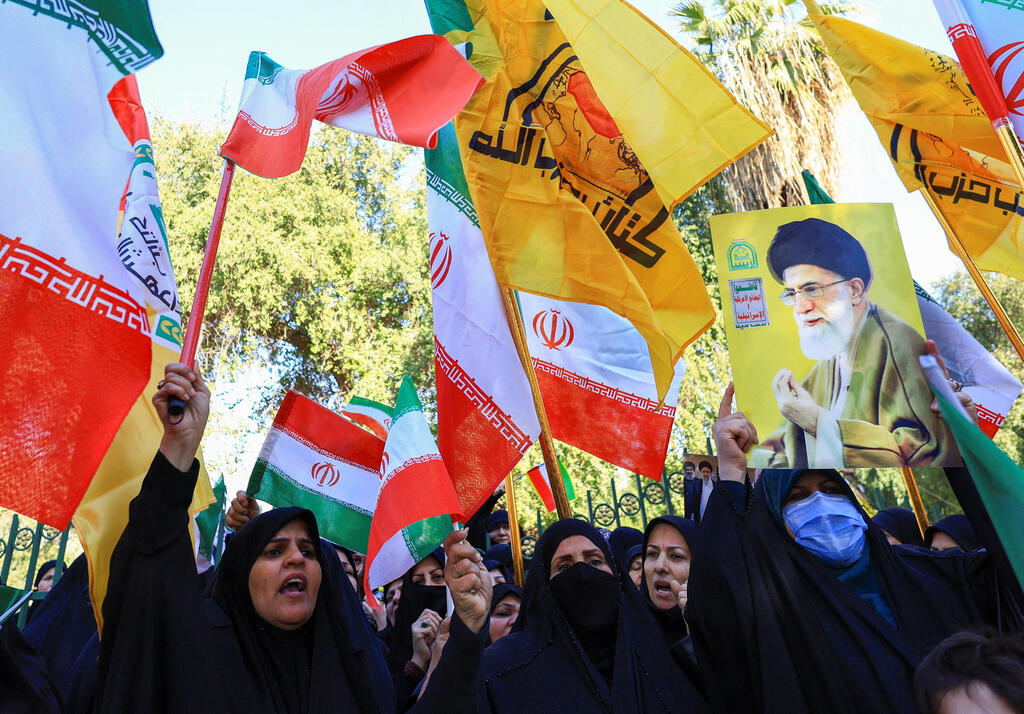
(Photo: REUTERS/Thaier al-Sudani)
At the same time, reports have pointed to divisions among Iraqi militias, with some leaders warning that a military adventure could destabilize Iraq, jeopardize negotiations over forming a new government and risk direct confrontation with both the United States and Israel.
Hezbollah has not formally declared that it would join any conflict involving Iran, but its secretary-general, Naim Qassem, warned that a war against Tehran could ignite the entire region. He said Hezbollah is closely monitoring developments and is determined to defend what it sees as shared interests.
“When Trump threatens Iran’s leader, he threatens millions,” Qassem said. “This is a threat to regional stability, and we cannot remain silent.”
Qassem’s remarks drew criticism from figures close to Lebanon’s presidency. Lebanese sources told Saudi-owned Al-Hadath that the presidency would not allow Lebanon to be dragged into wars on behalf of others, warning that those who do so would bear responsibility.
Saudi-owned newspaper Asharq Al-Awsat cited ministerial sources close to the Lebanese presidency as saying Qassem’s comments were surprising and could give Israel a pretext to escalate. The sources questioned whether Hezbollah had learned from the consequences of past confrontations, asking whether Lebanon was again being pushed toward a destructive war with uncertain outcomes.