


Prime Minister Benjamin Netanyahu’s alliance with ultra-Orthodox parties is facing a deepening rupture, with senior lawmaker Moshe Gafni sharply attacking him over the stalled military draft exemption law.
Gafni, chairman of Degel HaTorah, the Lithuanian ultra-Orthodox faction within United Torah Judaism, made the remarks Tuesday in an interview with the party newspaper Yated Ne’eman.
Haredi crowd demonstrates against military conscription in Ashkelon
(Video: from social media)


“During most of his time as prime minister, Netanyahu went with the ultra-Orthodox parties in coalition and spoke in favor of religion-and-state issues, but he did not act,” Gafni said. “The reality was that most things were not carried out, and that is why anger toward him grew.”
The dispute centers on legislation meant to regulate exemptions from mandatory military service for full-time yeshiva students. Military service is compulsory for most Jewish Israelis, but ultra-Orthodox men have long received exemptions while engaged in religious study — an arrangement that has become increasingly contentious during the war, as Israel relies heavily on reservists.
The High Court of Justice ruled in 2024 that the state no longer had a legal basis for broad exemptions for ultra-Orthodox seminary students, intensifying pressure on Netanyahu’s coalition to pass a new law.
Gafni said Netanyahu had delayed the legislation for too long. “Netanyahu dragged this out for a very long time and asked to postpone the law because it is, in truth, a very difficult law to pass,” he said. “That is what created the major problem. We cannot continue with him.”
He added that Netanyahu claims to personally support religious interests and ultra-Orthodox demands, “but I cannot say unequivocally that this is the case, and the example is now before us.”
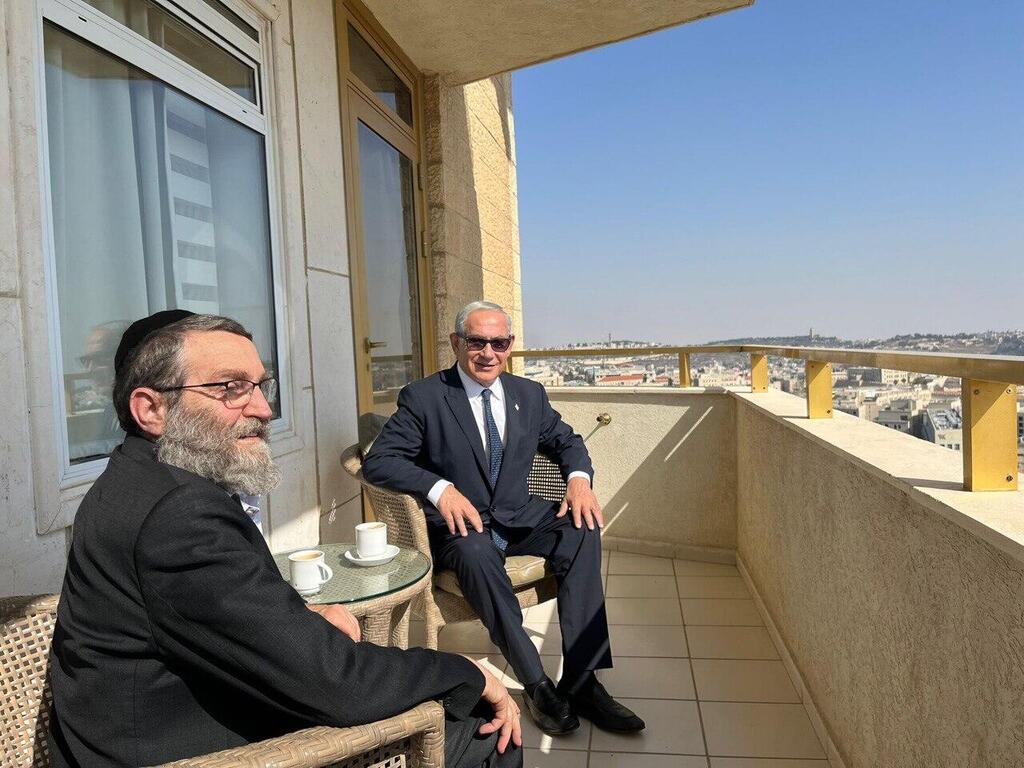
Gafni accused Netanyahu of allowing lawmakers from his ruling Likud party to speak and act against the ultra-Orthodox parties. “When he faced problems that arose and were contrary to his view, he stopped those moves. With the ultra-Orthodox, he did not do that,” Gafni said.
He said his party would reassess its political path after the election. Asked whether Degel HaTorah had an alternative and might join Yair Lapid or Avigdor Liberman, both fierce critics of ultra-Orthodox draft exemptions, Gafni said: “It is not certain they would speak that way if we went with them, but when the decision comes, we will have to ask.”
The comments come as Israel moves toward early elections after the Knesset advanced bills to dissolve itself in a preliminary vote last week, amid ultra-Orthodox anger over Netanyahu’s failure to pass the draft exemption law. If the process is completed, elections could be held before the current Oct. 27 deadline.
The ultra-Orthodox anger follows two years of repeated promises that legislation would be advanced to secure the status of yeshiva students and restore budgets and benefits that were frozen or cut due to legal uncertainty.
But Degel HaTorah’s own leaders also sought to remove the bill from the agenda after rabbis objected to provisions tightening sanctions or increasing oversight of enlistment targets.
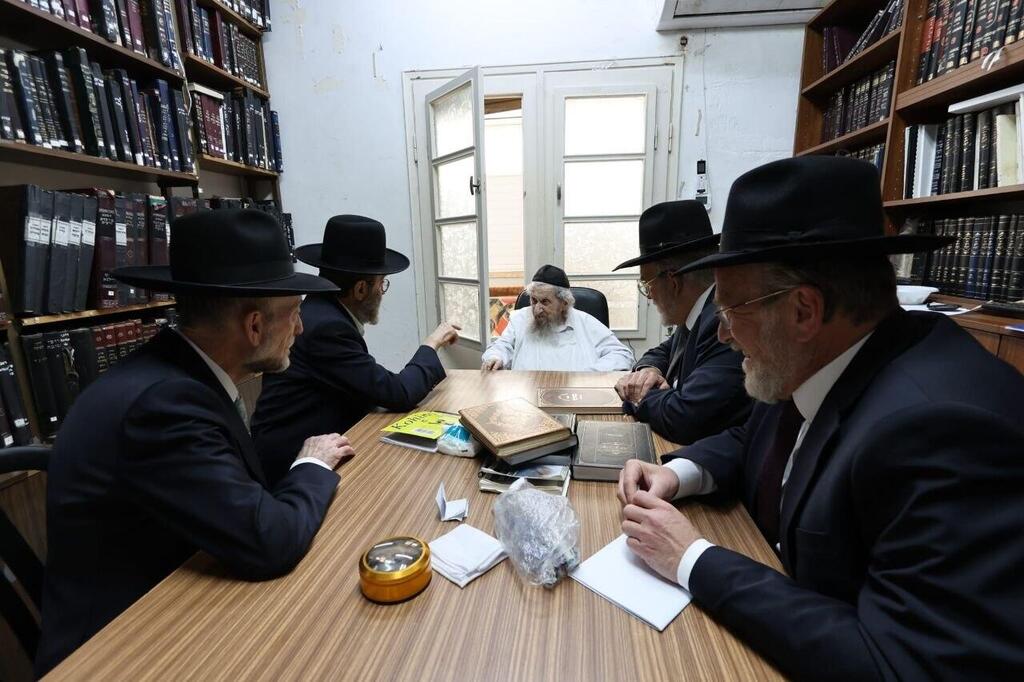
Rabbi Dov Lando (center)
Last month, Rabbi Moshe Hillel Hirsch, a leading Lithuanian ultra-Orthodox authority, said he was not at peace with the bill and would not agree to it, but instructed lawmakers to consult with the older senior rabbi, Rabbi Dov Lando. Lando later called for breaking with Netanyahu’s bloc over a lack of trust and this week told lawmakers not to support the legislative efforts.
The political calculation is delicate for the ultra-Orthodox parties. If the draft exemption law passes, they could claim they secured the status of Torah students, as well as funding for yeshivas and benefits for married students that had been withheld.
But if the law is advanced and fails, Degel HaTorah risks losing on both fronts: accepting a bill criticized by its own rabbis and opposed by hard-line ultra-Orthodox factions, while still failing to secure the exemptions.
In that scenario, party officials appear to prefer campaigning against a government they say failed to deliver the exemption law while avoiding ownership of the compromises included in it.
On Monday, it was reported that Degel HaTorah held consultations on whether to support a constructive no-confidence motion that could remove Netanyahu even before elections. Under that mechanism, the Knesset votes not only to bring down the government but also to approve an alternative prime minister and ministers, allowing a new government to be sworn in immediately.