


Members of the Palestinian technocratic government, known as the National Committee for the Administration of Gaza (NCAG), have already arrived in Egypt, and the members of the “Executive Board” that will oversee it have been chosen.
Several members of the overarching “Board of Peace” have already been named. But despite U.S. President Donald Trump’s sweeping announcements — including the transition to Phase II of his Gaza plan, even before the return of kidnapped police officer Ran Gvili’s body — major questions remain unanswered. Here are some of the key ones:
Gallery
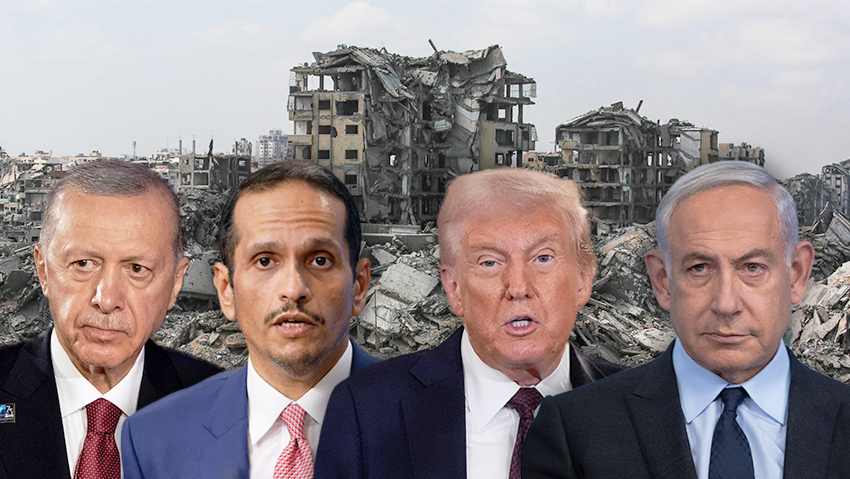
Recep Tayyip Erdogan, Mohammed Al-Thani, Donald Trump, Benjamin Netanyahu
(Photo: Alex Kolomoisky, AP Photo/Alex Brandon, Ludovic MARIN / AFP, Andrew Harnik/GETTY IMAGES NORTH AMERICA/AFP)
Did Israel agree to Turkish and Qatari representation on the Executive Board?
Israel imposed a red line barring Turkish and Qatari troops from entering Gaza — and it appears they will indeed not be part of the International Stabilization Force (ISF). But because of Turkey and Qatar’s significant role in securing the hostage deal, Trump insisted on giving them a role, saying he believes they can obtain understandings from Hamas on disarmament.
The inclusion of Turkish Foreign Minister Hakan Fidan and senior Qatari official Ali al-Thawadi prompted an unusually critical statement from the Prime Minister’s Office, saying “The announcement regarding the composition of the Gaza Executive Board, which is subordinate to the Board of Peace, was not coordinated with Israel and runs contrary to its policy.” But U.S. officials say Israel was aware of the composition of the various panels.
An informed source said the committee that includes the Turkish foreign minister and the senior Qatari official is advisory, not a decision-making body. According to the source, Israel sought to change the names but failed, with both Trump's special Middle East envoy Steve Witkoff and the president's son-in-law Jared Kushner insisting on their inclusion as recognition for their role in brokering the hostage deal.
Who will actually govern Gaza?
NCAG head Dr. Ali Shaath, arrived in Egypt along with some committee members, several of whom have close ties to the Palestinian Authority, and said, “We are determined that wars will not return to Gaza, and determined to relieve the Palestinian people’s pain and restore security and safety so that the situation in the Gaza Strip stabilizes.”
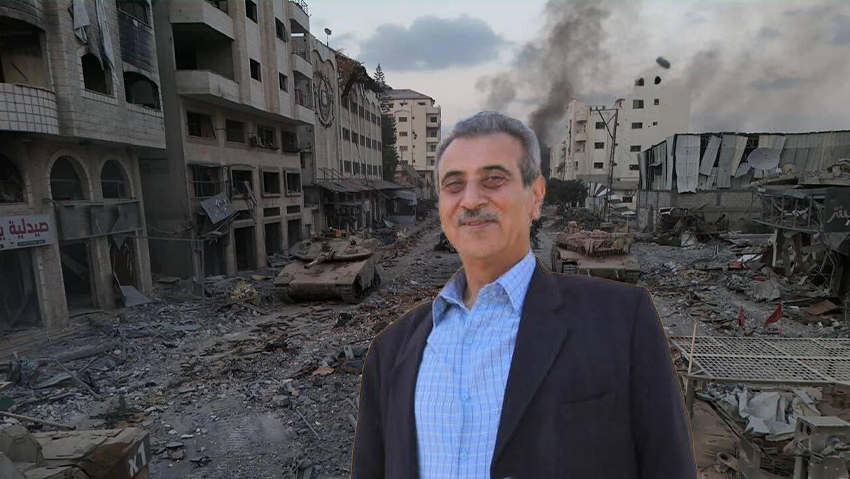
National Committee for the Administration of Gaza head Dr. Ali Shaath
(Photo: IDF)
The committee is made up of 15 senior Palestinian professionals, approved by Israel. Members will be responsible for the day-to-day management of the enclave, including sanitation, infrastructure and education. Hamas has said several times that it agrees to transfer authority to the technocratic council, but with the group revitalized, the question of who will actually control Gaza remains unresolved.
Who will oversee the technocratic committee?
Under the U.S. plan, the Trump‑led Board of Peace is meant to oversee the governance and reconstruction of Gaza through an intermediate body, the Executive Board. That board includes, among others, Witkoff; Kushner; Fidan; Al‑Thawadi; former British prime minister Tony Blair; and Israeli‑Cypriot real estate mogul Yakir Gabay.
Other members of the Board of Peace include Secretary of State Marco Rubio; Jewish American billionaire Marc Rowan; World Bank President Ajay Banga; and U.S. Deputy National Security Adviser Robert Gabriel. Trump has also sent invitations to dozens of world leaders to join the Board of Peace, envisioned as a kind of U.S. alternative to the United Nations, including Turkish President Recep Tayyip Erdoğan and Qatari Prime Minister Mohammed Al‑Thani.
Is there a deadline for Hamas disarmament?
From the statements issued so far, there appears to be no firm deadline for disarming Hamas. However, there are explicit understandings between Prime Minister Benjamin Netanyahu and Trump that if Hamas does not disarm, both Israel and the International Stabilization Force (ISF) will be authorized to do so by force.
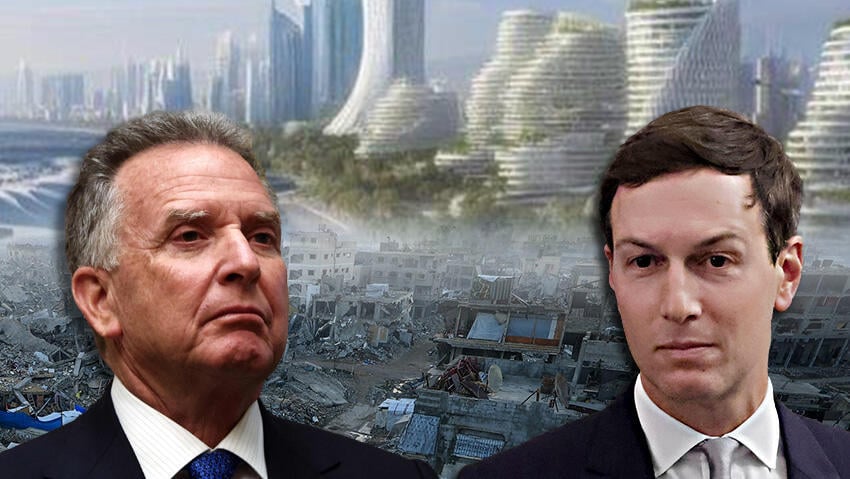
Steve Witkoff, Jared Kushner
(Photo: REUTERS/Dawoud Abu Alkas, REUTERS/Evelyn Hockstein, AP Photo/Terry Renna)
Since Israel has little confidence that Hamas will disarm, especially given estimates that the group still holds some 60,000 AK-47 rifles in Gaza, Israeli forces are already preparing for military action. Any such operation would be coordinated with the United States. Before that, both sides say they will give Hamas an opportunity to disarm voluntarily.
Trump has previously said that countries participating in the stabilization force would be willing to confront Hamas, but the practical reality is that nations are reluctant to send troops into Gaza. As a result, the ISF is expected initially to operate in a “model area” of the territory that is currently under Israeli control and already cleared of Hamas fighters.
What exactly does 'disarmament' mean?
Although the phrase “disarmament of Hamas” is widely used, its practical meaning remains unclear. Does it require handing over all weapons? Only heavy weapons? To whom would they be surrendered — a third party, or would they be destroyed?
Hamas appears to be talking about rendering its weapons unusable — for example, storing them in depots — but Israel rejects this out of concern that Hamas could easily regain access to such stockpiles in the future. Another unresolved question is whether disarmament would include personal firearms as well as rockets and other military hardware.
Will Gaza’s reconstruction wait until Ran Gvili is returned?
No. Reconstruction in Gaza will begin in Rafah, inside the so‑called “yellow line,” meaning territory currently under Israeli control, and the Rafah crossing is expected to open within days.
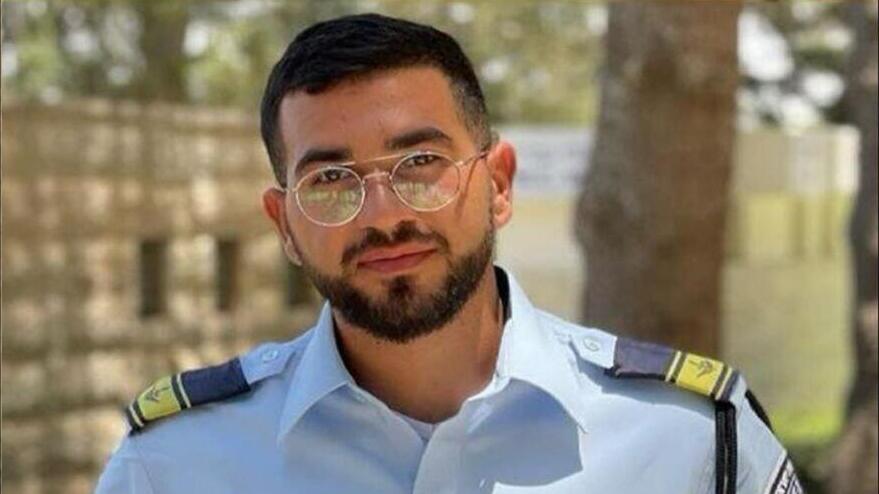
Ran Gvili
(Photo: Israel Police)
According to statements made to ynet by Witkoff, the United States expects the crossing to open even if Gvili's body has not yet been recovered. Witkoff explained that Washington believes Hamas is making genuine efforts to locate and return him, and, therefore, the process should not be delayed.
When will Israel withdraw from the Gaza Strip?
No timeline has been given. The expectation is that Israel will only pull back once there is someone to hand the territory over to, meaning the ISF must be established and the NCAG takes hold on the ground. It is clear to all parties that Israel will not withdraw while there is no entity ready to assume responsibility.
Who will clear the rubble?
An informed source told ynet that Israel has agreed to clear rubble from the areas slated for reconstruction, driven by what it sees as a clear national interest: removing landmines and unexploded ordnance so that Hamas cannot reuse them for explosives, and dismantling tunnels in areas being vacated. “Even if no one had asked us to do it, Israel would need to,” the source said. “The unexploded ordnance represents a huge potential weapons stockpile.”
Which countries will send troops to the stabilization force?
A military “stabilization force” is intended to operate in the Gaza Strip, made up of troops from several countries tasked with maintaining order and security and preventing violations. So far, the stabilization force has not been formed, and many countries have expressed hesitation about sending soldiers to Gaza.
Earlier this week, reports said Bangladesh is interested in joining the force. In the past, Indonesia, Azerbaijan and Italy have indicated willingness to contribute troops, but no final agreement has been reached.