

Israel Police told a Rishon Lezion court on Tuesday that the investigation in the Qatargate affair has concluded and that the case file will be sent to state prosecutors within 60 days for a decision on possible indictments.
A central reason for delays in the case is that Jay Footlik, an American lobbyist described by investigators as acting on behalf of Qatar, has not yet been questioned. Police said U.S. authorities have not coordinated a date for his testimony. A previous date for his remote questioning was unexpectedly canceled. The court was told that one of the remaining investigative steps is the completion of a classified Shin Bet report examining whether campaigning in favor of Qatar could constitute harm to state security and whether evidence gathered so far supports that claim.

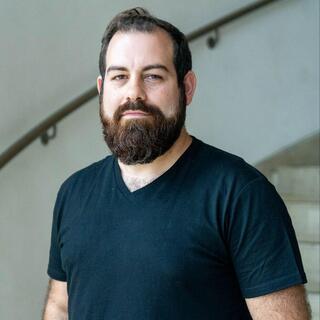
(Photo: SLSK Photography/Shutterstock, Alex Kolomoisky, Boaz Arad, Yoav Dudkevich, Yair Sagi)
During the hearing, attorney Amit Hadad, representing Jonatan Urich, a senior adviser to Prime Minister Benjamin Netanyahu and a suspect in the case, shifted to issues tied to the separate “Bild” affair. Hadad said that Eli Feldstein, Netanyahu’s former military spokesman, passed his initial polygraph tests when he said he acted alone without Urich. Hadad added that during a later interrogation on May 29, Feldstein was asked again whether Urich directed him to contact Israeli strategist Yisrael Einhorn. According to Hadad, investigators told Feldstein there was no indication of calls or phone-location data linking the two. Feldstein reportedly responded that any contact was face-to-face, not by phone.
Judge Menachem Mizrahi of the Rishon Lezion Magistrate’s Court said the investigative material does not show any objective evidence the two were physically together.
About two weeks ago, Mizrahi denied a police request to keep holding Urich’s mobile phones. Police had sought to retain the devices for several more months after Urich refused to provide passwords, a right he invoked to avoid self-incrimination. The judge noted that police currently lack the technological capability to unlock the devices and offered no timeline for when such tools might become available. He criticized police for seeking to hold the phones indefinitely.
In the same ruling, Mizrahi wrote that without Footlik’s testimony, a significant portion of the evidence connected to the alleged Qatari link would likely be inadmissible, calling it hearsay. He also pointed to broader evidentiary challenges, including the still-unfinished security assessment meant to support the national-security offense attributed to Urich. The judge said the case rests on “mountains hanging by a hair.”
About a month ago, the State Attorney’s Office informed Knesset lawmaker Merav Cohen that the investigation remained active within both Israel Police and the Shin Bet. Responding to Cohen’s request for public transparency, officials said details could not be disclosed while the probe is ongoing.