

Clearing sea mines laid by Iran in the Strait of Hormuz could take up to six months and is unlikely to begin until the war ends, the Pentagon has told Congress, according to a report by The Washington Post.
The estimate, shared during a classified briefing Tuesday to members of the House Armed Services Committee, suggests the economic impact of the conflict could extend well into the year or beyond. Lawmakers from both parties reportedly reacted with frustration, seeing it as a sign that oil and gasoline prices may remain elevated even after any agreement is reached.
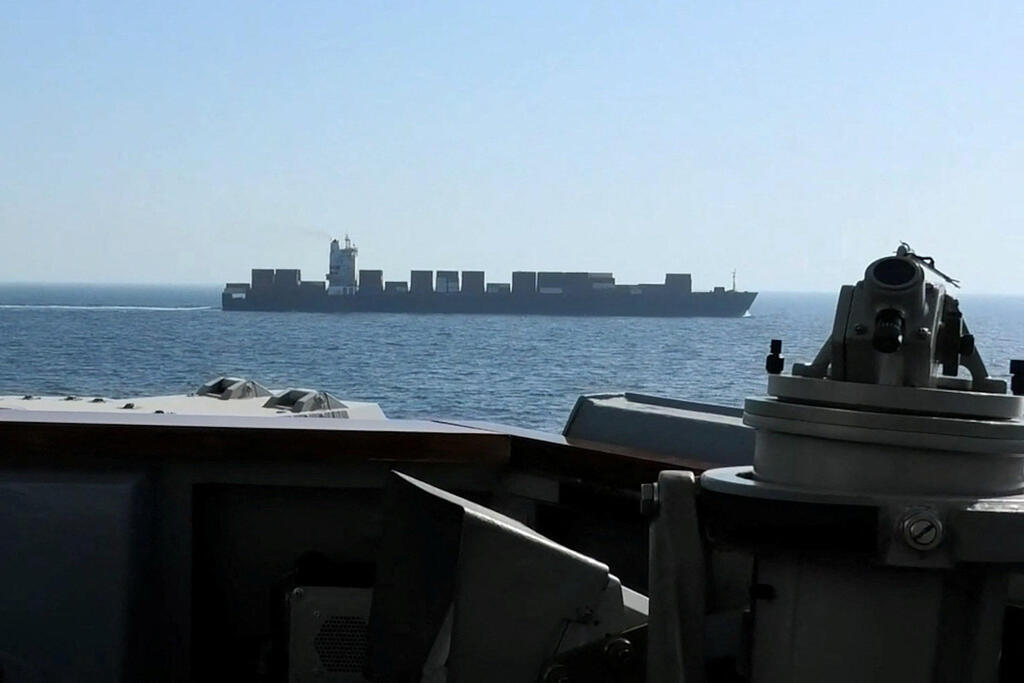
U.S. officials told lawmakers that Iran may have deployed 20 or more mines in and around the strategic waterway, disrupting free passage through a route critical for global oil shipments from the Persian Gulf. The New York Times has previously reported that Iran itself may not be able to locate all of the mines it placed.
A senior Defense Department official said some of the mines were deployed remotely using GPS-based technology, making them more difficult to detect, while others were laid by small boats used by Iran’s so-called “mosquito fleet.”
The Pentagon’s assessment contrasts with claims made by President Donald Trump, who wrote on social media last week that Iran, “with the help of the United States,” had removed or was removing all sea mines from the strait. The statement was seen as part of broader efforts by the administration to reassure markets and signal that a deal to end the war could be near.
Iran began laying the mines in March during the conflict, as U.S. and Israel forces carried out strikes. Trump has warned Tehran it would face severe consequences if it did not remove the mines, while Defense Secretary Pete Hegseth said U.S. forces were targeting boats involved in deploying them with “relentless precision.”
Despite those efforts, officials acknowledge that preparations by the United States and Israel for a potential blockade of the strait were insufficient, allowing Iran to disrupt a key global trade route even as Washington imposed a naval blockade on Iranian ports.
It remains unclear how the U.S. military would conduct a large-scale mine-clearing operation, though options discussed include the use of helicopters, drones and divers.
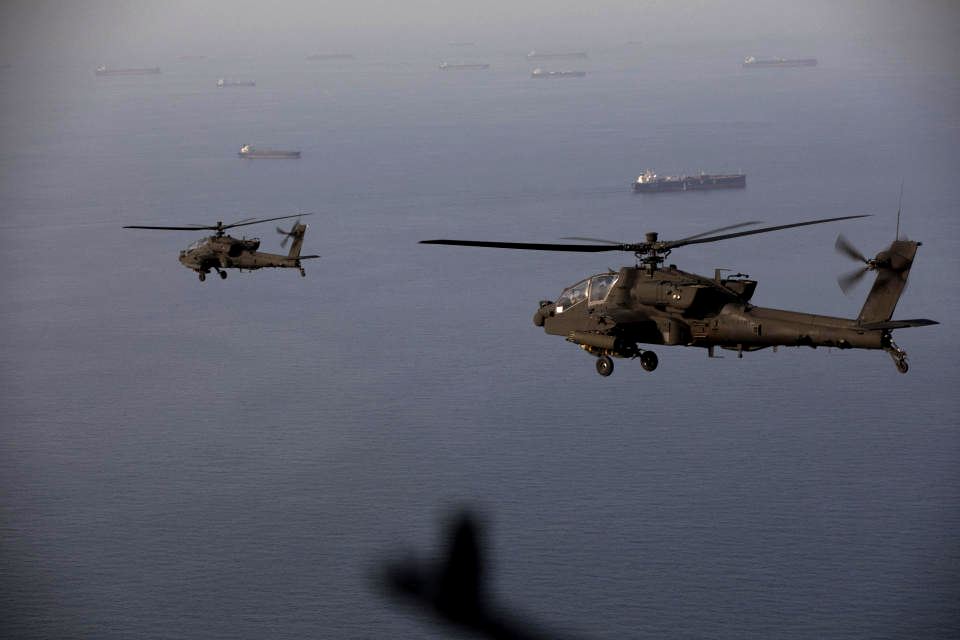
(Photo: AFP PHOTO / US CENTRAL COMMAND)
Experts warn the timeline could have major economic consequences. Richard Nephew, a senior researcher at Columbia University and an expert on Iran diplomacy, said a six-month clearance effort would likely rattle oil and gas markets due to safety concerns among insurers, shipowners and crews.
“There won’t be many people willing to take that risk,” he said, adding that while the disruption may not completely halt traffic, even partial restrictions could have significant effects.
Iranian officials signaled continued resistance. Parliament Speaker Mohammad Bagher Ghalibaf said the strait could not be reopened amid what he described as repeated ceasefire violations, including the U.S. naval blockade. He also accused Israel of escalating tensions across multiple fronts.
Iran President Masoud Pezeshkian, considered a more moderate figure, said U.S. threats and the blockade undermine prospects for meaningful negotiations.
“Iran has welcomed dialogue and agreement and continues to do so,” he wrote on social media, accusing Washington of contradictory rhetoric and actions.