


A surge of nationalist crime, primarily targeting Israeli security forces, has gripped the West Bank in recent months. While the wave drew public attention in June, following an incident in which a group of Jewish youths in the West Bank attacked an IDF reserve battalion commander.
The wave’s roots trace back to January in the village of Al Funduq. There, after violent riots by far-right hilltop youth – extremist Jewish youths settling in the West Bank – a Jewish teenager was seriously wounded when shot by a police officer.
In recent weeks, the area has become the focal point of ongoing clashes between hilltop youth groups and security forces, including IDF Central Command, the Shin Bet and the Samaria and Judea District Police. The incidents reflect a marked escalation in tensions, with violent episodes threatening the region’s stability.
The unrest has also deepened divisions within the settler community: veteran settlers have condemned the violence, calling for a distinction between “pioneers” and “anarchists” who harm the IDF, while right-wing politicians such as MK Zvi Sukkot have demanded an emergency Knesset meeting following the shooting of hilltop youth, accusing security forces of using excessive force.
Behind the scenes, tensions are also rising between residents of officially sanctioned agricultural outposts, aligned more closely with government policy, and hilltop youth who often operate without coordination with authorities.
In the reserve commander incident, the investigation has stalled, with no clear evidence that the youths physically assaulted the soldiers as initially claimed. However, video from the scene captured heated verbal confrontations and insults hurled at troops, sparking outrage across the army and the settler community.
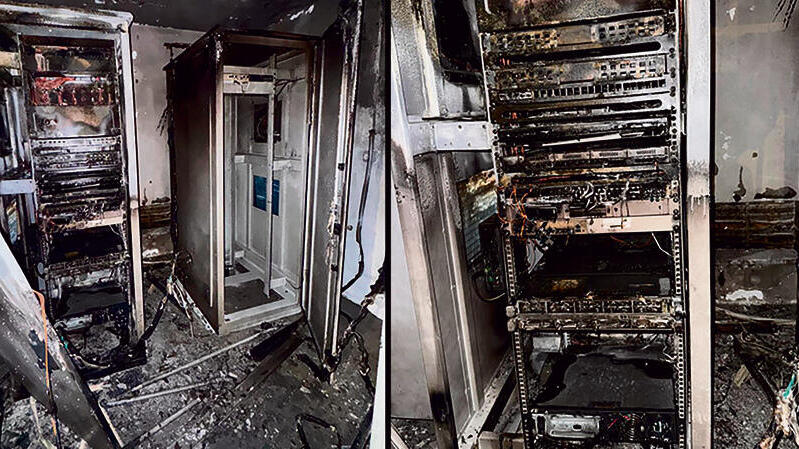
Around the same time in a nearby area, a 14-year-old boy was moderately injured by gunfire after allegedly throwing stones at IDF forces. These events triggered several days of riots in the Binyamin Regional Brigade sector, during which dozens of hilltop youth torched a security facility and damaged military equipment.
Reserve soldiers described it as a “pogrom” that ended only when Border Police arrived. That investigation is ongoing. Violence often erupts during evacuations of illegal outposts.
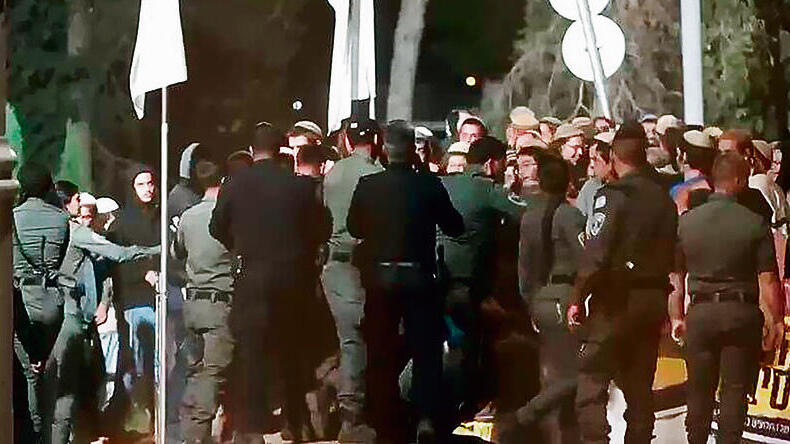
Jewis settlers confronting security forces in the Wests Bank
(Photo: IDF Spokesperson's Unit)
In another June incident, dozens of hilltop youth blocked the Meitar Interchange in the southern West Bank, throwing bottles and shouting insults at police, slashing the tires of patrol cars and clashing with Border Police in protest of enforcement actions against illegal outposts.
Get the Ynetnews app on your smartphone: Google Play: https://bit.ly/4eJ37pE | Apple App Store: https://bit.ly/3ZL7iNv
Dozens were arrested. Critics accused the police of lacking deterrence, blaming Defense Minister Israel Katz’s decision to halt administrative detentions for weakening the state’s ability to counter the phenomenon.
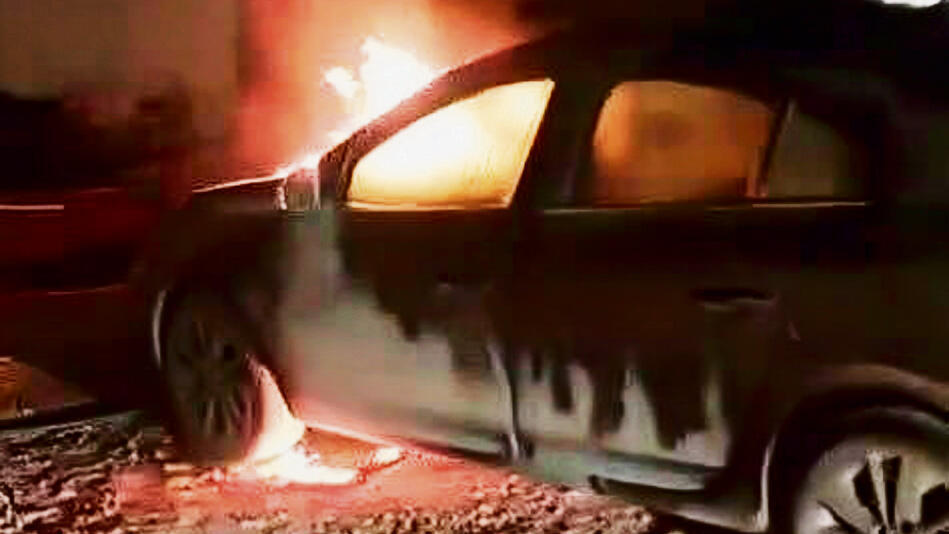
In a particularly severe case days ago, the car of a hilltop resident — himself a reservist — was allegedly torched by fellow hilltop youth after they clashed with his commander. The IDF called it a red line, and police launched an investigation.
Several other serious nationalist crimes linked to hilltop youth are currently under gag order and being investigated by the Judea and Samaria District’s serious crimes unit. According to a security official, there have been 48 violent incidents targeting security forces by radical hilltop youth in 2025 so far.
“Some of these attacks are not a response to evacuations, but an attempt to intimidate the security establishment into leaving them alone,” he said. “What was once a marginal issue has now become more common. Violence once directed solely at Palestinians is now aimed at soldiers and settlers.”
At the same time, some settlers have accused the IDF of being too lenient with applying force against Jews. In response, IDF Central Command chief Maj. Gen. Avi Bluth sent a letter to settlement leaders, acknowledging the tensions but rejecting the claim. “You and your children are the focus of the security forces’ protection efforts,” he wrote.
“The allegation that our forces are quick to pull the trigger is false. I urge you to say clearly and unequivocally: this dangerous and violent habit of throwing stones at vehicles from the roadside must stop.
(Photo: IDF Spokesperson's Unit)
“It threatens everyone’s safety, is dangerous, and is illegal. Anyone taking the law into their own hands endangers passersby and themselves.” Samaria and Judea District Police Chief Moshe Pinchi sent a similar message.
The string of incidents deeply concerns security officials. “We’re seeing boldness we haven’t seen before,” said one. “Since when do people attack soldiers and police repeatedly, event after event? The expectation is for forces to open fire at rock throwers on highways — so now what?
“Are they supposed to check if it’s a Jew or a Palestinian before deciding? That’s absurd. Stone throwing endangers lives. This small group feels there are no red lines — they even torched a fellow settler’s vehicle. It’s simply illogical.”
Complicating matters further is a shift within the settler movement itself. Senior settler leaders and pro-settlement ministers, including Bezalel Smotrich and Orit Strock, have been pushing forward the “agricultural farm” project, channeling funds to senior settlement figures.
These farm operators are increasingly viewed as state-aligned pioneers, especially in contrast to the hilltop youth, exacerbating ideological rifts within the West Bank settler community and fueling further tension.