

For more than three decades, Iran’s Supreme Leader Ayatollah Ali Khamenei has navigated his regime through political uprisings, economic strife and international isolation. With a blend of ruthless repression and calculated maneuvering, he has kept the Islamic Republic intact — until now.
At 86, Khamenei is confronting what many observers see as the most serious threat to his rule since he succeeded Ayatollah Ruhollah Khomeini in 1989. The streets of Iran have once again erupted in mass protests, this time larger, more sustained and more deadly than any in recent memory. Simultaneously, Iran faces growing pressure from abroad, with U.S. President Donald Trump reportedly weighing military options in response to Tehran’s actions.
Gallery
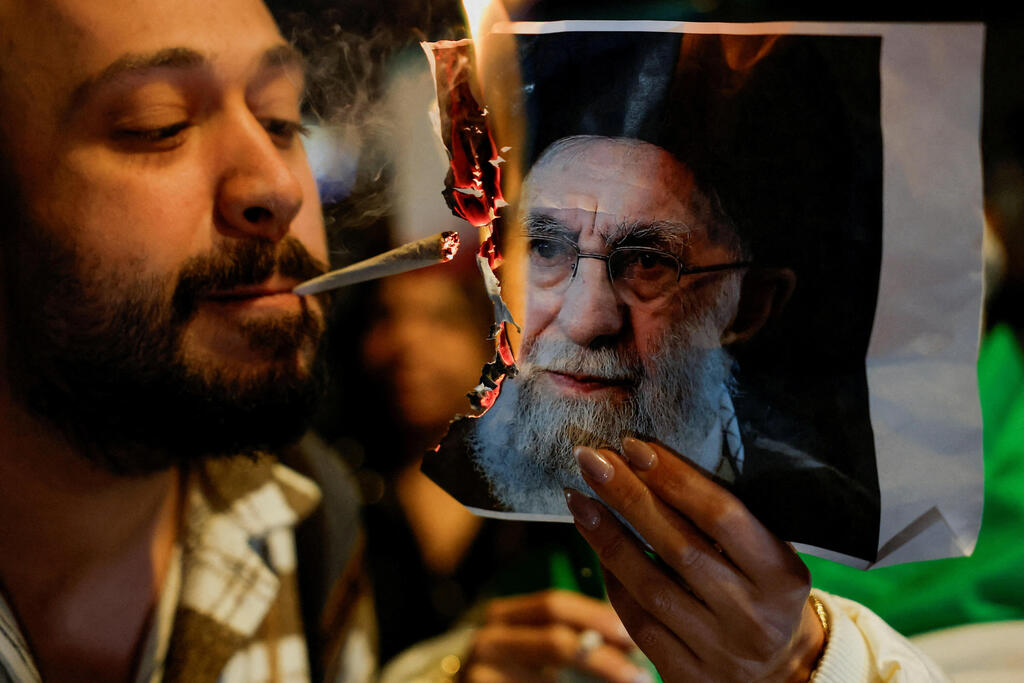
A protester lights a cigarette using a picture of Iranian Supreme Leader Ayatollah Ali Khamenei
(Photo: REUTERS/Ammar Awad)
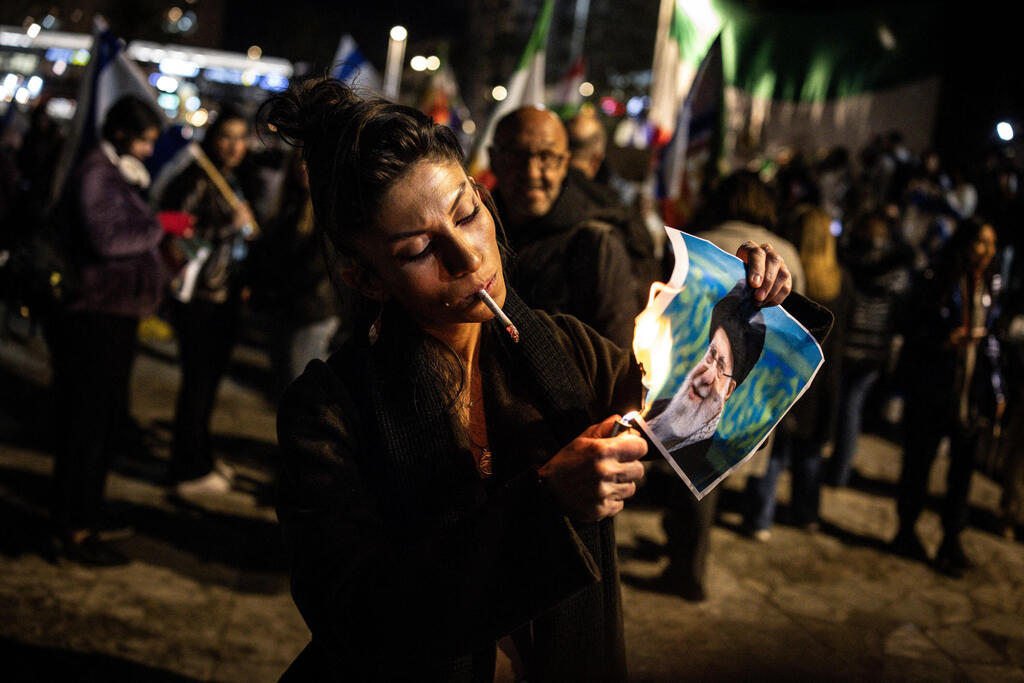
(Photo: JOHN WESSELS / AFP)
Khamenei has outlasted many previous waves of unrest. He held firm during the 1999 student protests, weathered the 2009 Green Movement that brought millions into the streets over alleged election fraud and crushed the 2019 fuel protests with brutal force.
In 2022, his regime was rocked by the so-called “Hijab Protests” after 22-year-old Mahsa Amini died in morality police custody for allegedly violating the Islamic dress code. That uprising was met, once again, with a heavy-handed crackdown.
Yet the current wave appears different, more defiant, more widespread and more lethal. Reports indicate that thousands of protesters have been killed, making it one of the deadliest crackdowns in the Islamic Republic’s history.
'Death to the dictator' chants and support for exiled prince
Protesters across Iran have been chanting “Death to the dictator” in reference to Khamenei, while also voicing support for exiled Crown Prince Reza Pahlavi, who is increasingly seen as a figurehead of the uprising.
Crown Prince Reza Pahlavi lays out his vision for post-Islamic Republic Iran


The unrest intensified after Pahlavi issued a call for Iranians to take to the streets en masse. Despite growing sympathy for Pahlavi inside Iran, U.S. President Donald Trump expressed skepticism about his prospects of returning to power. In an interview with Reuters, Trump said, “He seems very nice, but I don't know how he'd play within his own country. And we really aren't up to that point yet. I don't know whether or not his country would accept his leadership, and certainly if they would, that would be fine with me.”
The clerical regime is currently under immense pressure amid fears of an imminent military strike by the United States. Trump this week rejected a reported Iranian offer to open negotiations with Washington and instead told Iranian protesters that “help is on its way.” No military action has been taken so far.
Iran closed its airspace for five hours overnight — from just after midnight until around 5 a.m. — amid rising tensions.
The Iranian regime and military have been significantly weakened following the 12-day war with Israel last June, during which several nuclear facilities were hit, senior commanders were killed, air defense systems were heavily damaged and missile stockpiles were depleted. The war exposed Israel’s ability to penetrate Iranian territory and operate within it, dealing a major blow to the regime. Khamenei reportedly went into hiding during and after the war, but survived the crisis.
US President Donald Trump addresses Iran protests
(Video: White House press corps)
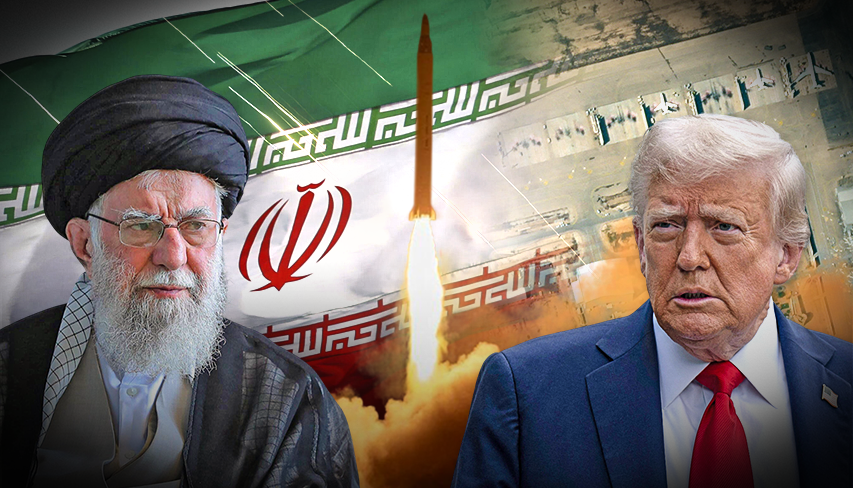
(Photo: Brendan Smialowski/AFP, AP Photo/Majdi Mohammed, Planet Labs Inc./Handout via REUTERS, Shutterstock)
The summer war also underscored Iran’s declining influence in the region, particularly as Israel engaged militarily with the Islamic Republic’s partners, Hezbollah in Lebanon, Hamas in Gaza and the Houthis in Yemen.
Globally, Iran remains relatively isolated. One of its few key allies, Russia, is consumed by its war in Ukraine. China, a major purchaser of Iranian oil, issued a cautious statement on Monday expressing hope that Iran’s government and people would “overcome the current difficulties and maintain national stability.”
Following a sharp escalation in nationwide protests, Khamenei delivered a rare address last Friday, denouncing demonstrators as a “band of vandals” allegedly supported by Israel and the United States. Yet analysts say that even if Khamenei manages to suppress the current uprising—reportedly at the cost of thousands of lives—his grip on power has been visibly weakened.
Under Khamenei’s rule, Iran’s leadership has repeatedly faced grassroots uprisings and crushed them with an iron fist, continuing to govern in what many call a deeply dysfunctional manner.
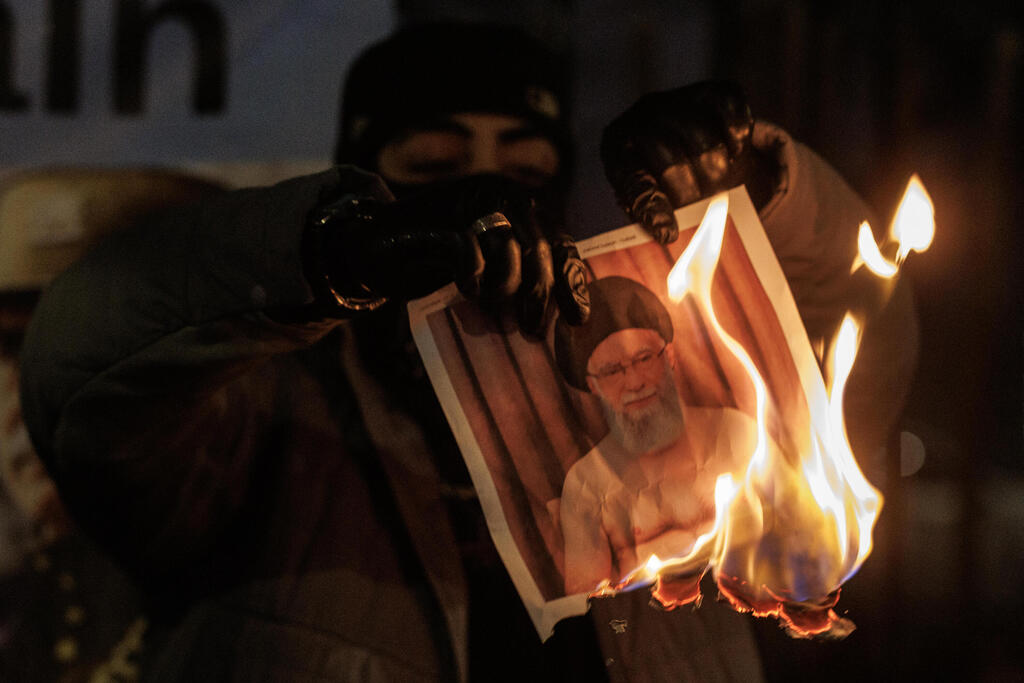
An Iranian protester burns a portrait of Supreme Leader Ayatollah Ali Khamenei during a demonstration
(Photo: Dan Kitwood/Getty Images)
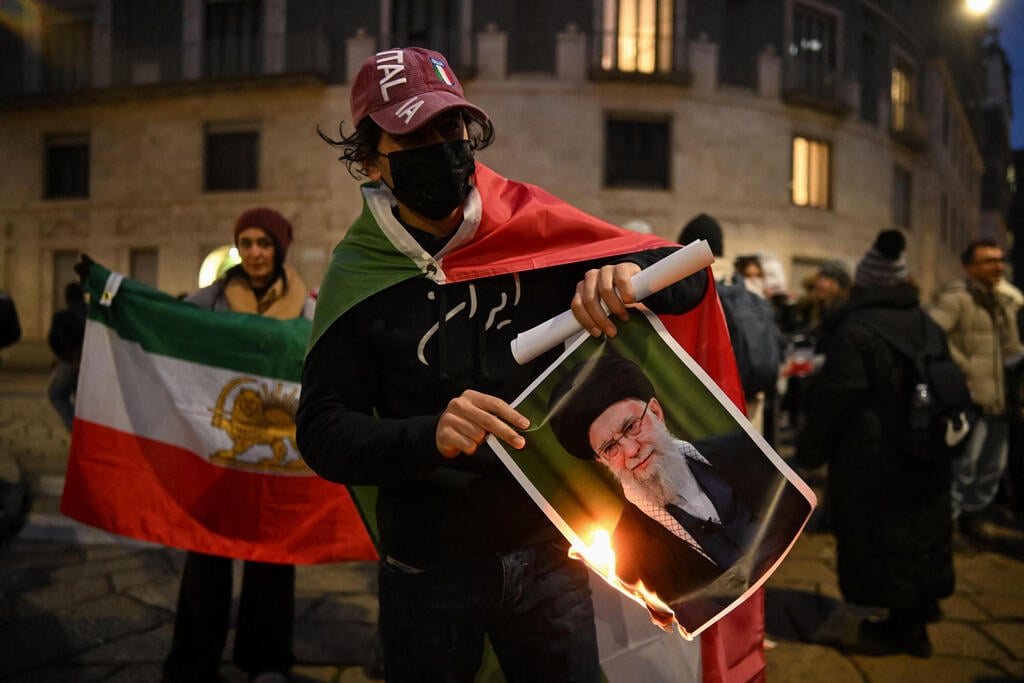
(Photo: Piero CRUCIATTI / AFP)
Ali Vaez, Iran project director for the International Crisis Group, a research institution, told the New York Times that “since the regime can only suppress and not address the underlying causes, it is only buying time until the next round of confrontation between the state and society.”
According to Ellie Geranmayeh, deputy director of the Middle East and North Africa program at the European Council on Foreign Relations, Iran’s leadership now faces a “perilous moment,” but one that is not unfamiliar. “The regime has survived wars, sanctions and political upheaval through ruthless force, pragmatism and leadership unity,” she said. “However, the off-ramps have now significantly narrowed.”
Like other experts, Geranmayeh believes the best hope for change in Iran lies with its own people, not foreign intervention.
Despite longstanding divisions within Iran’s ruling establishment, including the presence of more pragmatic figures open to negotiation with Washington, those voices have been increasingly sidelined. “They’re really marginalized,” said Siavush Randjbar-Daemi, senior lecturer at the University of St. Andrews in Scotland.
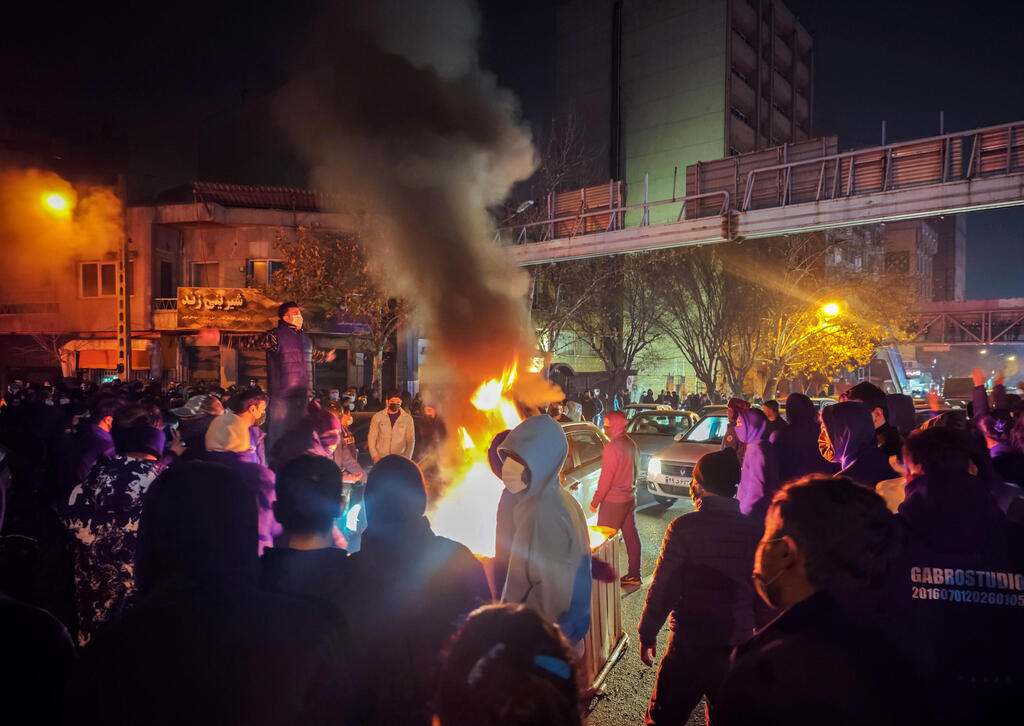
Demonstrators gather around a fire during anti-government protests in Tehran, Iran, Jan. 8, 2026
(Photo: Anonymous/Getty Images)
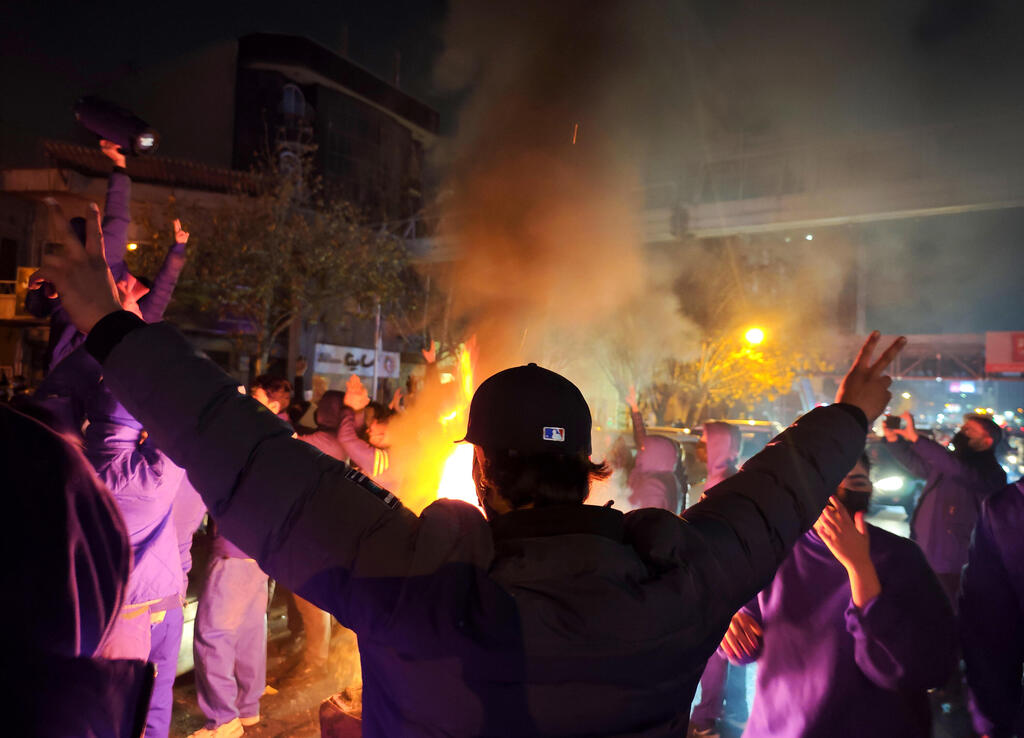
(Photo: Anonymous/Getty Images)
Meanwhile, Iran’s reformist president, Masoud Pezeshkian, has limited power to deliver the economic reforms demanded by the protest movement. Demonstrations initially erupted in response to soaring inflation and the collapse of the Iranian rial, which has fallen to unprecedented lows.
Analysts caution that even if Khamenei survives the immediate crisis, it does not guarantee long-term regime stability. Iran is facing a perfect storm of challenges: its recent war with Israel has eroded public confidence in the regime’s strength, while ongoing sanctions over its nuclear and ballistic missile programs have deepened the economic crisis that triggered the protests in late December.
Compounding Tehran’s isolation, Iran’s regional allies have also suffered setbacks, and pressure from both the United States and Israel remains intense.
Kamran Matin, an associate professor of international relations at the University of Sussex, told the Associated Press that the United States now has an opportunity to pressure Iran’s leadership, which he said is facing its most difficult moment since the 1979 revolution.
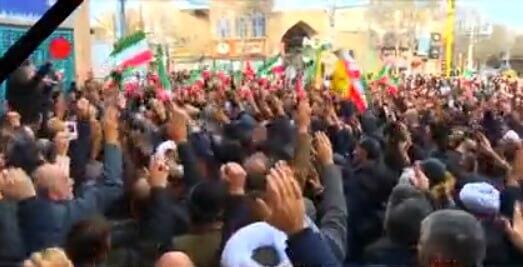
Crowds chanting against the US and Israel at a pro-regime rally in Iran
Vali Nasr, an Iranian-American academic and expert on regional conflicts and U.S. foreign policy, told Reuters that although he does not believe the Islamic Republic has reached its "moment of fall," it was “now in a situation of great difficulty going forward.”
Khamenei lives under the constant threat of an Israeli or American assassination attempt and is protected at the highest level. His public appearances are relatively rare, typically unannounced and not broadcast live. His Friday speech attacking protesters was pre-recorded.
“Everyone knows the Islamic Republic came to power through the blood of hundreds of thousands of honorable people, and it will not back down in the face of saboteurs,” Khamenei declared defiantly in the speech.
As Iran’s supreme leader, Khamenei has never left the country, following the precedent set by Khomeini, who returned victorious from exile in France to Tehran in 1979. According to reports, the last time Khamenei traveled abroad was in 1989, when he was still president and paid an official visit to North Korea, where he met then-leader Kim Il Sung.
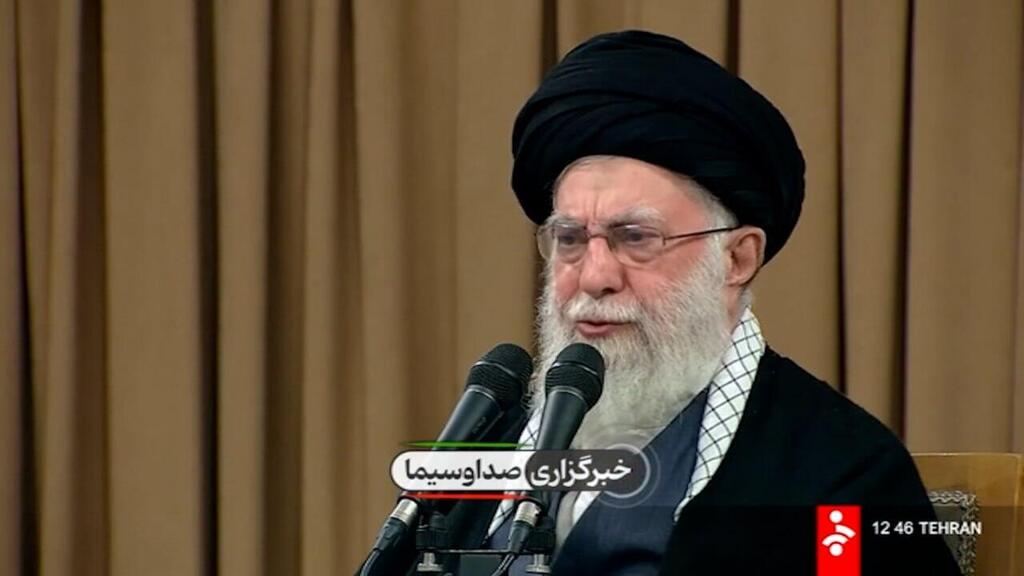
Khamenei speaks in a recorded televised address Friday, warning the United States amid rising tensions with Washington and mass protests across Iran
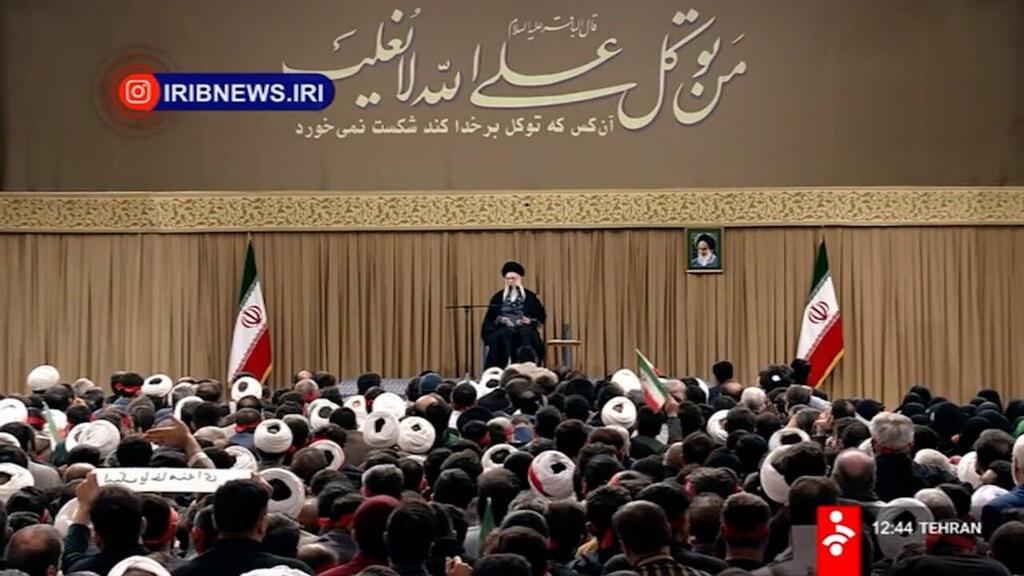
Iran’s supreme leader has not designated a successor, adding to the current uncertainty. For years, there has been speculation about Khamenei’s health due to his advanced age, though in last week’s speech he spoke clearly and fluently. His right hand is almost entirely paralyzed, the result of an assassination attempt in 1981. Authorities at the time blamed the Mujahedin-e Khalq (MEK), a group that was once allied with the regime but has since been outlawed.
Khamenei was elected president of Iran in 1981, two years after the revolution, following the assassination of President Mohammad-Ali Rajai, also attributed to the MEK. In the 1980s, Ayatollah Hussein-Ali Montazeri had been groomed to succeed Khomeini, but shortly before his death, Khomeini changed course after Montazeri criticized the mass executions of MEK members and other regime opponents.
Following Khomeini’s death, the Assembly of Experts convened and appointed Khamenei as supreme leader. Khamenei initially objected to the appointment and, according to reports, buried his head in his hands and said despairingly, “I object.” The assembly insisted, and he accepted.
Since then, Khamenei has worked with six Iranian presidents, including relatively moderate figures such as Mohammad Khatami, who were given limited leeway to pursue cautious reforms and a degree of outreach to the West. But in every case, Khamenei ultimately favored a hardline stance, maintaining hostility toward the United States, “the Great Satan,” and refusing to recognize the existence of Israel, “the Little Satan.”
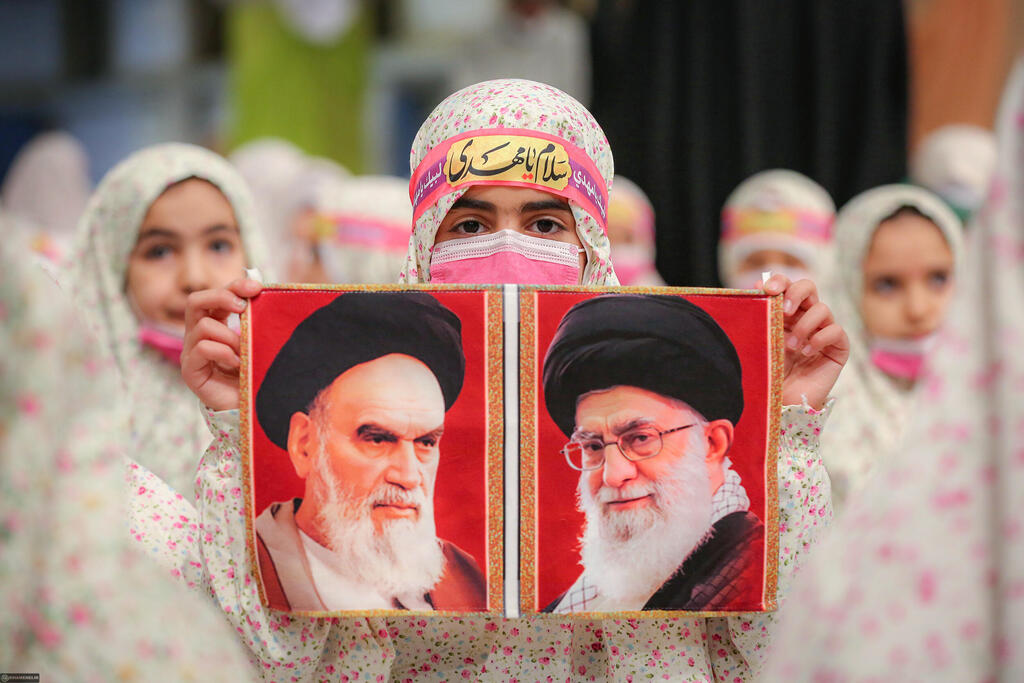
A young Iranian girl holds portraits of Supreme Leader Ayatollah Ali Khamenei, right, and his predecessor Ayatollah Ruhollah Khomeini, left, during a religious graduation ceremony in Tehran, Iran, in 2023
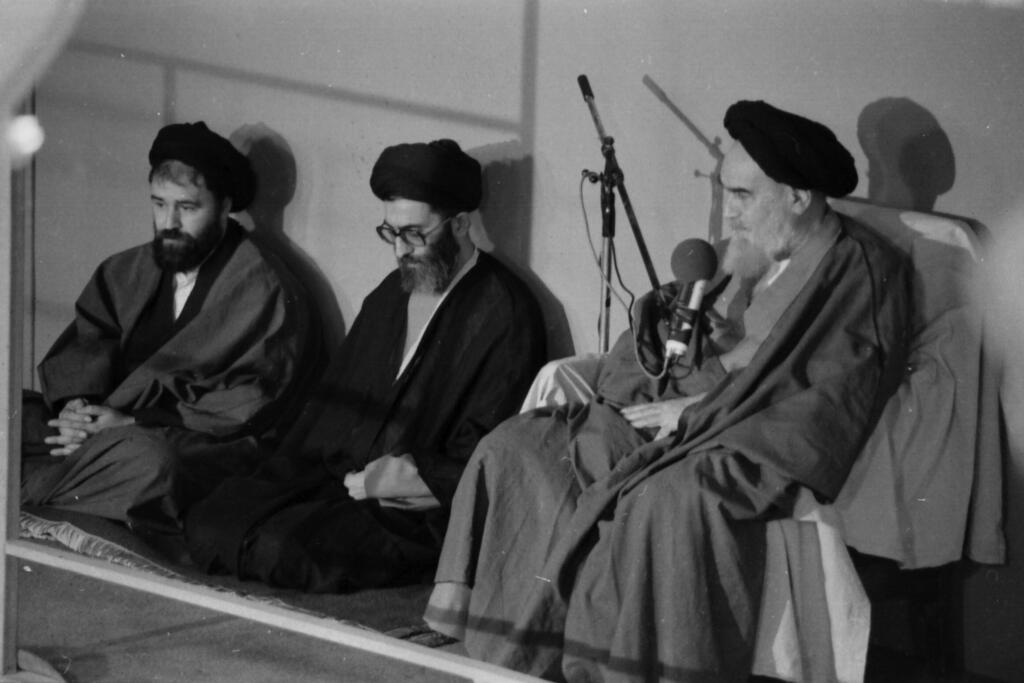
In this 1981 file photo from Iran’s national archives, Ali Khamenei (center) sits beside Supreme Leader Ayatollah Ruhollah Khomeini during Khamenei’s swearing-in ceremony as president
Khamenei is believed to have six children, though only one, Mojtaba, is publicly active. Mojtaba is considered one of the most influential figures behind the scenes in Iran and was sanctioned by the United States in 2019. Reports have also surfaced about a long-standing rift between Khamenei and his sister Badri, who broke with the family in the 1980s.
During the Iran-Iraq War, she fled to Iraq to join her husband, a cleric opposed to the regime. Several of their children, including a nephew now living in France, have become outspoken critics of Khamenei’s rule.