

Muin al-Arabid, described by Israel as a senior figure in Hamas’ internal security and counterintelligence apparatus in Gaza City, was captured Tuesday in a special operation and brought wounded to Israel.
Defense Minister Israel Katz said al-Arabid oversaw counterintelligence and intelligence activity for Hamas. Palestinian reports identified him as a senior official in the organization’s internal security apparatus in the Gaza district.
Strikes in Gaza City


That apparatus plays a central role in Hamas’ efforts to detect espionage and identify Palestinians suspected of collaborating with Israel.
According to Israeli officials, the hours-long operation was carried out under the IDF Southern Command by local militias operating in the Gaza City area. No IDF ground troops took part.
The IDF provided aerial cover during the operation, carrying out several strikes with Zik unmanned aircraft against what officials described as threats to the force on the ground. Those threats were neutralized, according to the Israeli account.
Al-Arabid was eventually seized and transferred to Israel while wounded. He is receiving medical treatment.
Israeli officials said the operation caught Hamas personnel by surprise and formed part of broader pressure aimed at forcing the organization to disarm.
Palestinian reports said the force operating inside Gaza City was detected during the mission, leading to exchanges of fire. Israel has not confirmed that account. The IDF said only that aircraft struck threats to the force as part of the operation.
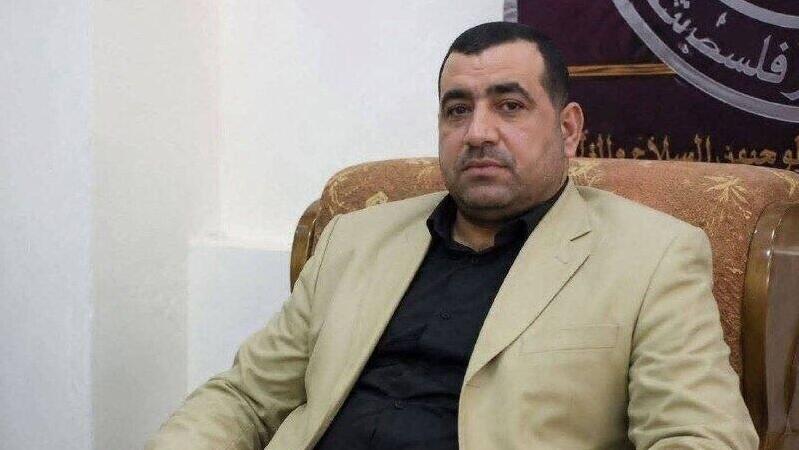
A Palestinian security source also disputed Israel’s description of al-Arabid’s seniority. Speaking to Qatar-based Al Jazeera, the source denied that the head of the internal security apparatus had been captured and said the detainee was a lower-ranking officer.
“An Israeli special force abducted one of the officers in the Internal Security apparatus,” the source said.
The source claimed the operation came after an Israeli strike on al-Arabid’s home in which his wife was killed.
Palestinians reported unusual military activity, exchanges of fire and heavy explosions from Israeli airstrikes across Gaza City during the operation. They said four people were killed.
Reuters, citing health officials in Gaza, reported that three children were among those killed. Witnesses told the news agency that Israeli warplanes fired “at least 12 missiles near the Al-Katiba area in western Gaza City,” an area crowded with displaced families.
The Gaza Board of Peace is examining the incident and has yet to issue a response.
Israel has repeatedly told U.S. officials, including during Prime Minister Benjamin Netanyahu’s latest meeting with Trump envoy Jared Kushner, that it intends to continue pursuing anyone involved in the October 7 massacre. According to the Israeli account, Washington did not object.
Katz said after the operation: “A short while ago, a senior Hamas terrorist was arrested, and this is our policy: We do not wait for threats, but pursue Hamas terrorists, thwart them and destroy their terror infrastructure. The response to every launch from Gaza will be powerful and clear. The test will not be their launches but our response, and it will be severe.”
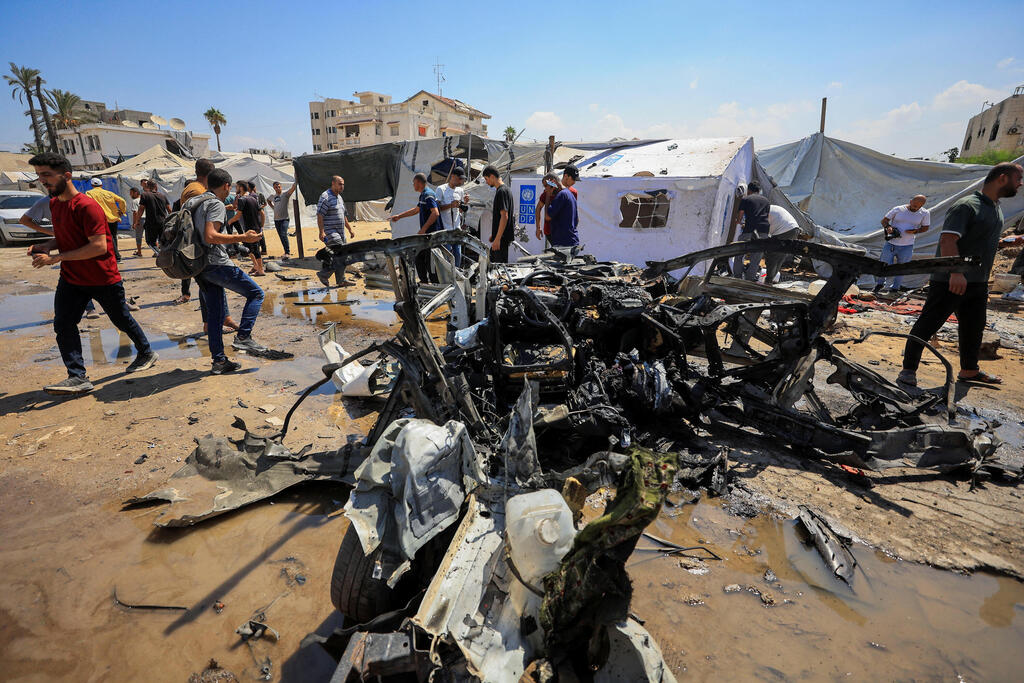
Aftermath of the operation in Gaza City
(Photo: REUTERS/Dawoud Abu Alkas)
Hamas’ government media office in Gaza claimed that “an Israeli special force attempted to carry out an operation in Gaza City but was discovered during the mission.”
It said the IDF then launched heavy airstrikes involving more than 10 fighter jets, killing and wounding several people.
The operation comes amid growing tensions over the ceasefire and efforts to disarm Hamas.
Last week, Gaza Board of Peace CEO Nickolay Mladenov criticized Israeli strikes in the Strip, warning that they risked undermining the process.
Speaking before the UN Security Council, Mladenov said the strikes “do not change the status quo that brought us to October 7, they preserve it.”
“For the first time, Hamas and the armed factions in Gaza have agreed to hand over their weapons and transfer full administrative authority,” he said. “There is now an opportunity to move from a conflict that has thrown the region out of balance toward an environment offering peace, prosperity and economic opportunity for the entire Middle East.”
“Every use of force that is not intended to address an immediate imminent threat carries a cost for the process, a cost that is very difficult to reverse,” he added. “In the other direction, every weapon still carried, every tunnel still being worked on and every convoy still blocked takes the process backward.”
First published: 14:16, 09.01.26